


Ziziphus Tree
Ziziphus Tree: Unlocking the Hidden Benefits and Mysteries of Nature's Marvel
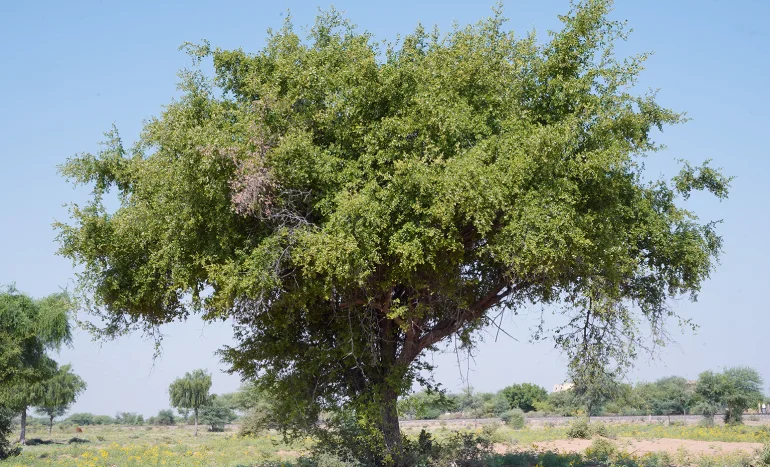
Botanical Profile of the Ziziphus Tree
- Scientific Name: Ziziphus jujuba
- Family: Rhamnaceae
- Native Region: Asia (China, India, Middle East)
- Common Names: Jujube, Chinese Date, Ber
Understanding the Ziziphus Tree
Nutritional Profile: A Superfood
- Calories: 79
- Carbohydrates: 20.3 g
- Protein: 1.2 g
- Fat: 0.2 g
Health Benefits of Ziziphus
- Sleep Aid: Jujube fruit is known for its sedative properties. Traditional Chinese medicine has utilized it to treat insomnia and anxiety. Research has shown that the fruit can enhance sleep quality and reduce anxiety levels.
- Immune Support: The high vitamin C content acts as an immune booster, helping the body fight off infections and illnesses.
- Anti-inflammatory Properties: Compounds found in Ziziphus have demonstrated anti-inflammatory effects, making it beneficial for conditions like arthritis.
- Digestive Health: The fiber content aids in digestion, preventing constipation and promoting a healthy gut microbiome.
Historical Significance
Environmental Impact
- Soil Conservation: The deep root system of the Ziziphus tree helps prevent soil erosion, stabilizing the land and promoting soil health.
- Carbon Sequestration: Like all trees, Ziziphus contributes to carbon sequestration, helping to mitigate climate change by absorbing carbon dioxide from the atmosphere.
- Biodiversity Support: The tree provides habitat and food for various wildlife species, promoting biodiversity in its native regions.
Grow Billion Trees Partners: Promoting Ziziphus Cultivation
- Community Engagement: Collaborating with local communities to educate them about the benefits of Ziziphus cultivation, both for their health and the environment.
- Training Programs: Offering training on sustainable agricultural practices, ensuring that communities can effectively cultivate and harvest Ziziphus trees.
- Research and Development: Conducting research on the best practices for growing Ziziphus in various climates, ensuring successful cultivation and yield.
- Partnerships: Collaborating with governments, NGOs, and other stakeholders to secure funding and resources for large-scale planting initiatives.
Fun Facts about Ziziphus
- The Ziziphus tree can live for over 100 years, making it a long-term investment for reforestation efforts.
- Jujube fruit can be eaten fresh, dried, or processed into jams, jellies, and even alcoholic beverages.
- The tree is often used in landscaping due to its attractive foliage and ability to withstand drought conditions.
- In traditional Chinese culture, jujube trees are often planted during weddings as a symbol of fertility and happiness.
Conclusion
Ziziphus Tree Benefits
Ziziphus Tree Uses
Ziziphus Tree Scientific Name
Ziziphus Tree in Traditional Medicine
Ziziphus Tree Nutritional Properties
Ziziphus Tree Environmental Impact
Ziziphus Tree Plantation
Ziziphus Tree Fun Facts
Ziziphus Tree and Biodiversity
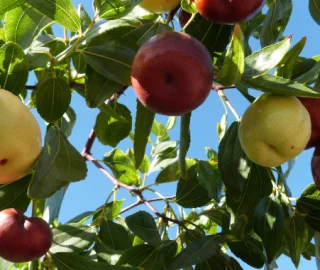
Ziziphus Tree Fruit
Ziziphus Tree Sustainability
Ziziphus Tree Growth Rate
FAQ
What is the Ziziphus tree?
The Ziziphus tree, also known as the jujube or Chinese date, is a resilient plant from the Rhamnaceae family, celebrated for its delicious fruits and impressive health benefits. This versatile tree thrives in diverse climates, making it a favorite across Asia, where it has been cherished for thousands of years.
01
What are the health benefits of jujube fruit?
Jujube fruit is a nutritional powerhouse! Packed with vitamin C, antioxidants, and dietary fiber, it supports immune function, enhances sleep quality, and promotes gut health. Traditional medicine has long revered it for its anti-inflammatory properties and ability to combat anxiety, making it a delightful addition to your wellness routine.
02
How does the Ziziphus tree contribute to the environment?
The Ziziphus tree is an ecological hero! Its deep roots prevent soil erosion and improve soil health, while its ability to sequester carbon helps combat climate change. Additionally, it provides food and habitat for wildlife, promoting biodiversity and creating a thriving ecosystem wherever it grows.
03
What makes Ziziphus a superfood?
Ziziphus is the ultimate superfood! With a rich nutritional profile, it boasts vitamins, minerals, and antioxidants that fight oxidative stress. Its fiber content aids digestion and promotes gut health, making it a delicious way to boost your wellness while enjoying a sweet treat straight from nature.
04
How has the Ziziphus tree been used historically?
The Ziziphus tree has a storied past, cultivated in China for over 4,000 years! Ancient texts highlight its medicinal uses, while cultural traditions in India celebrate the fruit during festivals as a symbol of good fortune. This tree has woven itself into the fabric of history, embodying resilience and sustenance.
05
What role does Grow Billion Trees Partners play in Ziziphus cultivation?
Grow Billion Trees Partners is on a mission to plant one billion trees, with Ziziphus taking center stage! They engage communities, provide training on sustainable practices, and collaborate with various stakeholders to promote Ziziphus cultivation. Their efforts aim to enhance food security while greening the planet—talk about a win-win!
06
Can jujube fruit be consumed in different ways?
Absolutely! Jujube fruit is as versatile as it is delicious. You can enjoy it fresh, dried, or transformed into jams and jellies. Some even get creative and brew it into alcoholic beverages. The possibilities are endless, making this fruit a delightful addition to any culinary adventure.
07
What are the fun facts about the Ziziphus tree?
The Ziziphus tree is full of surprises! It can live over 100 years, making it a long-term investment for reforestation. Its attractive foliage and drought resistance make it a landscaping favorite. Plus, in Chinese culture, it's a wedding symbol of fertility and happiness—who knew a tree could be so romantic!
08
How does the Ziziphus tree support local communities?
The Ziziphus tree is a community champion! By promoting its cultivation, organizations like Grow Billion Trees Partners help improve food security and nutrition. The fruits provide a sustainable food source, while farmers can generate income, creating a positive impact on local economies and livelihoods—talk about a fruitful endeavor!
09
What climates are suitable for growing Ziziphus?
Ziziphus trees are the ultimate survivors, thriving in various climates from arid deserts to subtropical areas! Their adaptability makes them perfect for regions facing harsh conditions. Whether it's hot and dry or moderately humid, these trees are ready to take root and flourish, proving nature's resilience knows no bounds.
10
What is the nutritional profile of jujube fruit?
Jujube fruit packs a punch with its nutritional profile! A 100-gram serving contains about 79 calories, 20.3 grams of carbs, and a sprinkle of protein and fat. Rich in vitamins, minerals, and fiber, it's a tasty way to nourish your body while indulging in a sweet, guilt-free treat!
11
Why should I plant a Ziziphus tree?
Besides its beauty, the Ziziphus tree nourishes, purifies air, and supports biodiversity. Plant one today and give back to both your health and the planet.
12
Your Suggestions
Leave your message and we'll get back to you shortly.