

Burmese Grape Tree
Burmese Grape Tree: Unlocking the Secrets of Nature's Sweetest Superfruit!

Burmese Grape Tree: Unlocking the Secrets of Nature's Sweetest Superfruit
1. Common Name and Scientific Name
2. Description
3. Habitat and Distribution
4. Nutritional Benefits
5. Fun Facts
6. Historical and Cultural Context
7. Environmental Impact
8. Role of Grow Billion Trees Partners
Conclusion
Burmese Grape Benefits: Nature’s Sweet and Sustainable Superfruit
Nutritional Powerhouse
Cauliflory Wonder
Cultural Icon
Sustainable Practices
Environmental Champion
Harvest Season Delight
Medicinal Marvel
Global Cultivation
Agroforestry Ally
Community Engagement
Biodiversity Booster
Ecological Restoration Hero
What is the Burmese grape tree?
The Burmese grape tree, or Baccaurea sapida, is a tropical superstar native to Southeast Asia. This fruit-bearing marvel isn’t just about delicious grapes; it also provides timber, wildlife habitat, and supports local ecosystems—nature’s multitasker in one tree!
What are the nutritional benefits of Burmese grapes?
With just 70 calories per 100 grams, Burmese grapes deliver 40% of your daily vitamin C, fiber for digestive health, and antioxidants like flavonoids and polyphenols that combat oxidative stress. Sweet, juicy, and nutritious—what’s not to love?
How tall can the Burmese grape tree grow?
This tree can reach heights of up to 30 meters, making it one of Southeast Asia’s tallest fruit trees. It provides shade, fruit, and habitat, towering like a leafy skyscraper in the tropical forest!
When are Burmese grapes harvested?
Harvest season is during the rainy months, from June to September, when the grapes reach peak sweetness. Communities celebrate this fruity fiesta, ready to enjoy these delicious treats at their best!
What does "cauliflory" mean in relation to Burmese grapes?
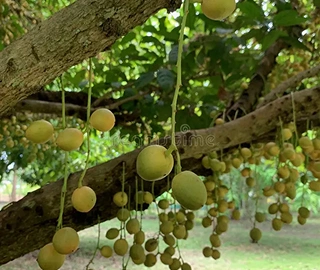
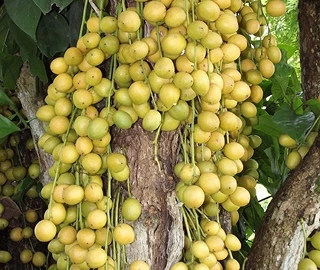
Cauliflory means the fruits grow directly from the trunk and older branches. This unique growth habit makes the grapes easily accessible for animals and humans alike—nature’s own fruit buffet!
How have Burmese grapes been used historically?
For centuries, indigenous communities have enjoyed Burmese grapes fresh and used parts of the tree in traditional medicine. This superfruit has been a key part of Southeast Asian diet, culture, and healing practices!
What is the ecological significance of the Burmese grape tree?
Its dense foliage provides shelter and food for wildlife, while deep roots prevent soil erosion. By supporting biodiversity and stabilizing ecosystems, the Burmese grape tree is an ecological hero!
What role does Grow Billion Trees Partners play?
They plant and nurture Burmese grape trees in collaboration with local communities, ensuring these ecological wonders flourish for generations to come.
How does community engagement benefit tree planting initiatives?
By involving locals, communities develop a sense of ownership and responsibility toward the environment. Tree planting becomes a shared celebration, ensuring sustainability and long-term success!
What educational efforts are made by Grow Billion Trees Partners?
They conduct workshops and training to educate communities on sustainable forestry and the importance of preserving native species like the Burmese grape tree. Knowledge empowers locals to become environmental champions!
How do Burmese grapes contribute to climate change mitigation?
Sustainable cultivation enhances biodiversity, improves soil health, and sequesters carbon. Enjoying these fruits while supporting eco-friendly practices helps create a greener future!
What is the overall importance of the Burmese grape tree?
The Burmese grape tree is a nutritional, ecological, and cultural gem. Promoting its cultivation supports biodiversity, local economies, and sustainable practices—making this sweet superfruit a true hero of nature!
Your Suggestions
Leave your message and we'll get back to you shortly.