

Charoli Tree: Unearthing the Nutty Treasures and Hidden Wonders of Nature
Charoli Tree - Nature's Nutty Treasure

The Charoli Tree, scientifically known as Buchanania lanzan, is a fascinating species celebrated for its tiny, nutty seeds that hold immense culinary, medicinal, and ecological value. Native to India and Southeast Asia, this tree has been cherished for centuries as a source of nourishment and natural remedies.

Botanical Profile of Charoli Tree

  • Scientific Name: Buchanania lanzan
  • Family: Anacardiaceae
  • Native Region: India and Southeast Asia
  • Common Names: Chironji, Charoli

Understanding the Charoli Tree

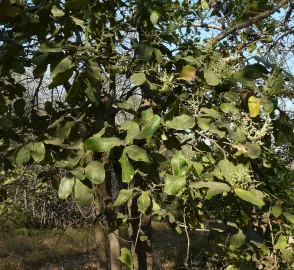
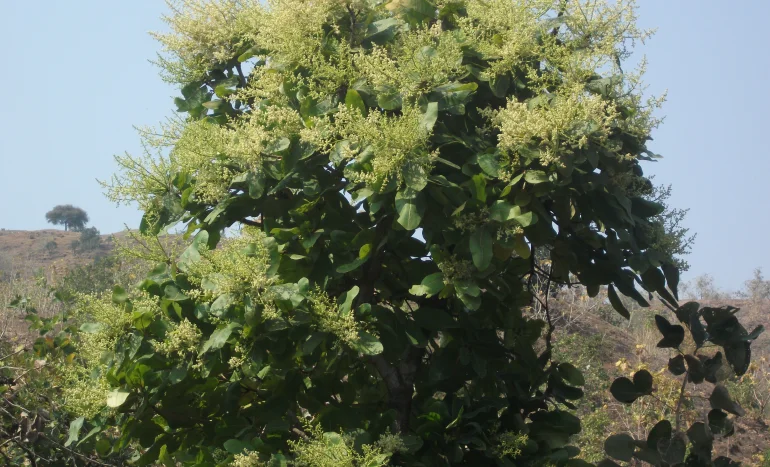
The Charoli Tree is a medium-sized deciduous tree that can grow up to 15 meters tall, with a straight trunk, spreading branches, and glossy leaves. Its seeds, commonly known as Charoli or Chironji, are extracted from its fruits and are prized for their nutty flavor and health benefits.

  • Height: Up to 15 meters (49 feet)
  • Type: Deciduous tree
  • Leaves: Glossy, green foliage
  • Seeds: Small, nutty Charoli seeds
  • Climate: Tropical and subtropical
  • Resilience: Drought-tolerant and adaptable

Historical and Cultural Significance

The Charoli Tree has been an integral part of Indian culture and cuisine for centuries. Its seeds have been used in traditional sweets, desserts, and savory dishes, adding a rich and nutty flavor. In Ayurveda, Charoli seeds are valued for their cooling properties and are used in various remedies for skin health, digestion, and energy restoration.

In ancient India, Charoli seeds were considered a luxury ingredient, often reserved for royal kitchens and special occasions. The tree's resilience and ability to thrive in harsh conditions make it a symbol of endurance and hope in many rural communities.

Medicinal Properties

The Charoli Tree offers a wealth of health benefits through its seeds, bark, and leaves. Its bioactive compounds, including essential fatty acids, proteins, and vitamins, make it a natural remedy for numerous ailments.

  • Skin Health: Rich in antioxidants, treats acne and blemishes
  • Digestive Aid: Improves digestion and relieves constipation
  • Energy Booster: Packed with healthy fats and proteins
  • Cooling Properties: Reduces body heat and promotes wellness
  • Nutritional Value: Rich in calcium, iron, and magnesium
  • Traditional Medicine: Used in Ayurvedic remedies for centuries

Fun Facts About Charoli Tree

  • Royal Ingredient: Reserved for royal kitchens in ancient India
  • Drought Tolerance: Thrives in arid regions with minimal water
  • Nutty Flavor: Seeds add rich flavor to sweets and desserts
  • Cultural Symbol: Represents abundance and prosperity
  • Livelihood Source: Provides income for rural communities
  • Versatile Use: Used in both culinary and medicinal applications

Environmental Impact

Beyond its culinary and medicinal uses, the Charoli Tree plays a vital role in maintaining ecological balance. Its dense canopy, deep roots, and ability to thrive in dry conditions make it an asset in combating desertification and supporting biodiversity.

  • Soil Enrichment: Prevents erosion and enhances fertility
  • Biodiversity Support: Provides food and shelter for wildlife
  • Carbon Sequestration: Absorbs CO2 and releases oxygen
  • Drought Tolerance: Ideal for arid and semi-arid regions
  • Desertification Control: Helps combat land degradation
  • Ecosystem Support: Contributes to thriving local ecosystems

How Grow Billion Trees Promotes Charoli Tree Plantations

Organizations like Grow Billion Trees Partners recognize the immense value of the Charoli Tree in agroforestry systems and rural livelihoods. Their initiatives focus on promoting this valuable species for ecological restoration and community development.

  • Agroforestry Integration: Planting alongside other crops
  • Soil Quality Enhancement: Improving fertility for surrounding vegetation
  • Income Diversification: Creating livelihood opportunities
  • Sustainable Harvesting: Promoting responsible collection practices
  • Community Training: Workshops on cultivation and processing
  • Market Linkages: Connecting farmers with local and international markets

Why Plant a Charoli Tree?

  • Nutritional Benefits: Rich source of essential nutrients
  • Medicinal Value: Natural remedies for various ailments
  • Ecological Benefits: Soil conservation and biodiversity support
  • Economic Value: Source of income for rural communities
  • Cultural Significance: Preserves traditional practices
  • Climate Resilience: Drought-tolerant and adaptable

Final Thought
The Charoli Tree is a true gem of nature, blending culinary delight, medicinal value, and ecological significance. From its role in traditional cuisine to its contributions to biodiversity and sustainability, it remains an enduring symbol of nature's abundance. By celebrating and conserving this remarkable tree, we ensure its legacy continues to nourish, heal, and inspire generations to come.

Charoli Tree with Fruits
Agroforestry with Charoli Trees

Charoli Tree Benefits

The Charoli Tree offers a delightful blend of nutty seeds, medicinal properties, and ecological contributions, proving that small seeds can make a big impact on health and nature. This isn't just a tree; it's a nutritional powerhouse and environmental guardian all in one!

Medicinal Properties of Charoli Tree

Packed with antioxidants, essential fats, and vitamins, the tree's seeds, bark, and leaves treat skin issues, aid digestion, and boost energy, making it a natural remedy powerhouse. Who knew such tiny seeds could pack such a powerful health punch?

Charoli Tree in Culinary Traditions

Known for its rich, nutty flavor, Charoli seeds are a favorite in Indian sweets, desserts, and savory dishes, adding luxury and health to every bite. From royal feasts to everyday meals, these tiny seeds have been elevating dishes for centuries!

Environmental Role of Charoli Tree

From enriching soil to supporting biodiversity, this tree does more than feed people; it nurtures ecosystems, making it a silent but effective environmental hero. While we enjoy its tasty seeds, the tree is busy working behind the scenes to protect our planet!

Charoli Tree in Agroforestry

Thriving alongside crops, it enhances soil fertility, prevents erosion, and provides a steady income for farmers through its valuable seeds. It's like having a natural agricultural consultant that also pays dividends in delicious nuts!

Cultural Significance of Charoli Tree

Associated with abundance and celebration, the Charoli Tree holds a special place in Indian culture, where its seeds symbolize prosperity and culinary luxury. This tree doesn't just grow in soil—it grows in the heart of cultural traditions!

Modern Applications of Charoli Tree

Beyond traditional uses, its seeds are gaining popularity in nut butters, skincare products, and gourmet cooking, proving its timeless versatility. This ancient tree is getting a modern makeover while staying true to its roots!

Conservation of Charoli Tree

Overharvesting and habitat loss pose risks, but sustainable practices ensure this tree's ecological, culinary, and medicinal treasures are preserved for future generations. Let's make sure this nutty wonder doesn't become just a delicious memory!

Scientific Backing

Studies published in the International Journal of Food Science validate the Charoli Tree's nutritional and medicinal properties. Modern research is catching up to what traditional healers have known for centuries—this tree is a health superstar!

Planting and Care Guide

This drought-tolerant beauty thrives in well-drained sandy soils with full sunlight. Minimal watering is needed once established, and regular pruning promotes better fruit production. It's the perfect low-maintenance tree for busy gardeners!

Rural Livelihood Support

The Charoli Tree provides crucial income for rural communities through seed harvesting and processing. It's not just a tree—it's a livelihood source that supports families while preserving traditional knowledge!

Cultural Symbolism

The Charoli Tree represents endurance and hope, thriving where other trees struggle. Its ability to provide abundance in challenging conditions makes it a powerful symbol of resilience for communities across India!

What is the Charoli Tree?

The Charoli Tree, scientifically known as Buchanania lanzan, is a deciduous tree prized for its nutty seeds, medicinal properties, and role in supporting ecosystems and rural livelihoods.

01

Why are Charoli seeds called nutty treasures?

Charoli seeds add a rich, nutty flavor to desserts and dishes, while also packing essential nutrients like proteins and antioxidants, making them a true culinary gem.

02

What are the medicinal uses of the Charoli Tree?

Its seeds, bark, and leaves treat skin conditions, improve digestion, and provide energy, proving it’s not just tasty but also a natural remedy powerhouse.

03

How does the Charoli Tree benefit the environment?

It prevents soil erosion, supports biodiversity, and thrives in arid regions, making it an eco-friendly ally in combating environmental challenges.

04

Can the Charoli Tree thrive in arid conditions?

Absolutely! Its drought tolerance and ability to grow in rocky or sandy soils make it a resilient choice for arid and semi-arid regions.

05

Why is the Charoli Tree significant in Indian culture?

Revered as a symbol of abundance, its seeds are used in festive dishes and rituals, showcasing its deep connection to culinary and cultural traditions.

06

What are the modern applications of Charoli seeds?

From nut butters and gourmet cooking to exfoliating skincare products, Charoli seeds are finding new fans in both the culinary and beauty industries.

07

Why should we conserve the Charoli Tree?

Habitat loss and overharvesting threaten its population, and conservation ensures its ecological, culinary, and medicinal benefits endure for future generations.

08
logo
back top