


Kokam Tree
Kokam Tree: A Natural Tapestry of Excellence and Heritage
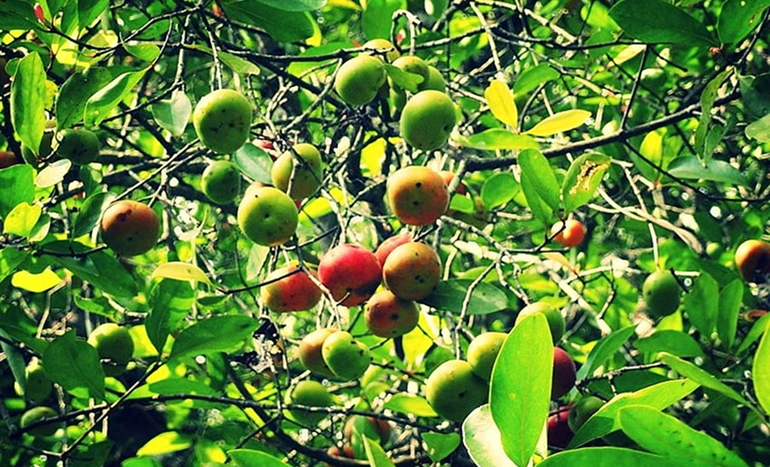
Common Name and Scientific Name
Description
Habitat and Distribution
Culinary and Medicinal Uses
Cultural and Historical Significance
Symbolism and Traditional Practices
Conservation and Sustainable Harvesting
In Conclusion
Kokam Tree Facts
Kokam Tree Benefits
Kokam Tree Symbolism
Kokam Tree Culinary Uses
Kokam Tree Medicinal Uses
Kokam Tree Cultivation
Kokam Tree Conservation
Kokam Tree Habitat
Kokam Tree Traditional Knowledge
Kokam Tree in Modern Applications
FAQ
What is a Kokam tree?
The Kokam tree, scientifically known as Garcinia indica, is a fruit-bearing tree native to the Western Ghats region of India, prized for its tart and tangy berries.
01
How tall does a Kokam tree grow?
Kokam trees are small to medium-sized evergreen trees, typically reaching heights of 5 to 15 meters.
02
What are the medicinal properties of Kokam?
Kokam possesses various medicinal properties, including its use in traditional medicine for treating digestive disorders, skin ailments, and as a natural coolant during hot weather.
03
When does the Kokam tree bear fruit?
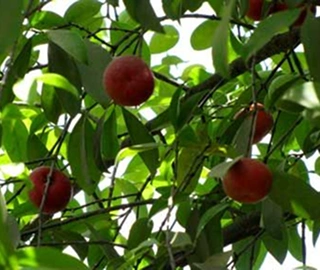
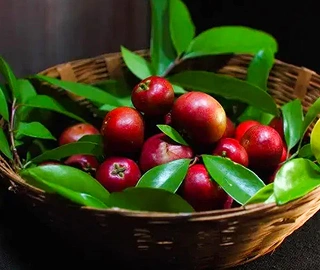
Kokam trees bear fruit during the summer months, with the berries ripening to a deep red color.
04
What is the significance of Kokam in Indian cuisine?
Kokam is widely used in Indian cuisine, especially in coastal regions, where its berries are used to prepare refreshing drinks, curries, chutneys, and preserves.
05
How is Kokam beneficial for health?
Kokam is rich in antioxidants and vitamins, known for its ability to aid digestion, alleviate acidity, and promote overall well-being.
06
Can Kokam be grown in home gardens?
Yes, Kokam trees can be cultivated in home gardens, provided there is enough space and suitable climate conditions, particularly in warm and humid regions.
07
How to propagate Kokam trees?
Kokam trees can be propagated through seeds or by grafting onto suitable rootstock, with seeds being the most common method.
08
What type of soil does Kokam prefer?
Kokam thrives in well-drained soils with good organic content, preferring sandy or loamy soils with a slightly acidic to neutral pH.
09
Is Kokam drought-tolerant?
Kokam exhibits moderate drought tolerance once established, but regular watering is essential, especially during its initial growth stages and fruit development.
10
Are there any pests or diseases that affect Kokam trees?
Kokam trees are relatively resistant to pests and diseases; however, they may occasionally face issues such as fruit rot or infestation by fruit flies.
11
How long does it take for a Kokam tree to mature?
Kokam trees typically take around 4 to 6 years to reach maturity and start bearing fruit.
12
Can Kokam trees be pruned?
Yes, Kokam trees can be pruned to maintain shape, remove dead or diseased branches, and promote healthy fruit production.
13
Are there any restrictions on planting Kokam trees?
In some regions, there may be regulations regarding the planting of Kokam trees due to their potential invasiveness or impact on native ecosystems.
14
What is the ideal climate for Kokam cultivation?
Kokam trees thrive in warm, tropical climates with moderate rainfall, although they can adapt to various climatic conditions.
15
How do you care for a newly planted Kokam tree?
Newly planted Kokam trees require regular watering, mulching, and protection from pests and diseases until they become established.
16
Can Kokam berries be used for any other purposes?
Apart from culinary uses, Kokam berries are also used in Ayurvedic medicine for their medicinal properties and are known to have cooling effects on the body.
17
Is Kokam wood suitable for any specific purposes?
Kokam wood is moderately hard and durable, often used in carpentry for making furniture, tool handles, and small wooden articles.
18
Are there any cultural beliefs associated with Kokam trees?
In some cultures, Kokam trees are revered for their medicinal properties and are considered sacred in certain rituals and ceremonies.
19
How can I contribute to Kokam tree conservation?
You can contribute to Kokam tree conservation by promoting sustainable harvesting practices, supporting local farmers who cultivate Kokam, and raising awareness about the importance of preserving indigenous plant species.
20
Your Suggestions
Leave your message and we'll get back to you shortly.