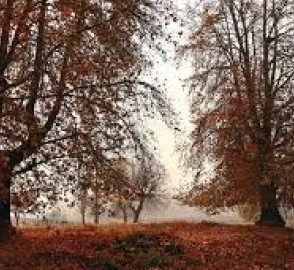


Chinar Tree: The Majestic Symbol of Kashmir's Natural Beauty and Cultural Heritage

Chinar Tree - Kashmir's Majestic Symbol

The Chinar tree, known scientifically as Platanus orientalis, stands as a majestic symbol of Kashmir's natural beauty and cultural heritage. With its broad, sprawling branches and vibrant autumn foliage, the Chinar is more than just a tree; it is a living testament to the region's rich history, ecological significance, and cultural identity.

Botanical Profile of Chinar Tree

  • Scientific Name: Platanus orientalis
  • Family: Platanaceae
  • Native Region: Introduced to Kashmir from Persia
  • Common Names: Oriental Plane, Maple of the East

Understanding the Chinar Tree

The Chinar tree is a deciduous tree that can grow up to 35 meters tall, with a trunk diameter that can exceed 3 meters. Its leaves are large, typically 15 to 25 cm wide, and are palmate, resembling the shape of a hand. In autumn, the leaves turn a brilliant shade of yellow, orange, and red, creating a breathtaking spectacle.

  • Height: Up to 35 meters (115 feet)
  • Trunk Diameter: Can exceed 3 meters
  • Leaves: Large palmate leaves, 15-25 cm wide
  • Autumn Colors: Brilliant yellow, orange, and red
  • Longevity: Some specimens over 1,000 years old
  • Climate: Temperate climate of Kashmir

Historical Significance

The Chinar tree has played a significant role in the cultural and historical narrative of Kashmir. It is often associated with the region's identity and is featured prominently in Kashmiri poetry, folklore, and art. Historical texts suggest that the Chinar was introduced to Kashmir from Persia around the 16th century.

Kashmiris have long revered the Chinar for its beauty and shade. The tree has been a silent witness to the region's tumultuous history, including the Mughal Empire's reign, British colonial rule, and modern conflicts. Its presence serves as a reminder of resilience and continuity amidst change.

Environmental Impact

The Chinar tree plays a crucial role in the local ecosystem. As a large deciduous tree, it contributes significantly to biodiversity and helps improve air quality by absorbing carbon dioxide and releasing oxygen. Its extensive root systems stabilize soil, particularly in hilly areas prone to landslides.

  • Air Purification: Absorbs CO2 and releases oxygen
  • Biodiversity Support: Habitat for birds and wildlife
  • Soil Conservation: Prevents erosion and landslides
  • Microclimate Regulation: Cools surrounding areas
  • Urban Greening: Vital for cities like Srinagar
  • Ecological Balance: Maintains local ecosystem health

Fun Facts About Chinar Tree

  • Maple of the East: Named for similar leaf shape and fall colors
  • Leaf Size: Leaves can grow up to 30 cm in diameter
  • Name Origin: 'Chinar' means 'tree of light' in Persian
  • Ancient Giants: Some trees over 1,000 years old
  • Romantic Symbol: Associated with love in Kashmiri culture
  • Tourist Attraction: Famous Chinar of Shalimar attracts visitors

How Grow Billion Trees Promotes Chinar Tree Conservation

Despite its cultural and ecological significance, the Chinar tree faces threats from deforestation, urbanization, and climate change. Organizations like Grow Billion Trees Partners have taken significant steps to promote conservation and reforestation of Chinar trees in Kashmir through structured approaches.

  • Awareness Campaigns: Educational programs about Chinar importance
  • Community Engagement: Local participation in tree-planting events
  • Research and Monitoring: Tracking growth and health of planted trees
  • Strategic Partnerships: Collaboration with governments and NGOs
  • Sustainable Practices: Ensuring long-term conservation success
  • Cultural Preservation: Protecting Kashmiri heritage through trees

Why Preserve Chinar Trees?

  • Cultural Heritage: Living symbol of Kashmiri identity
  • Ecological Value: Vital for local ecosystems and biodiversity
  • Historical Significance: Witness to centuries of history
  • Tourism Economy: Major attraction for visitors to Kashmir
  • Environmental Protection: Soil conservation and air purification
  • Artistic Inspiration: Source for poets, writers, and artists

Final Thought: Kashmir's Living Legacy
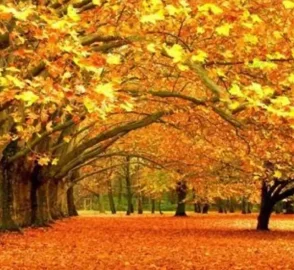
The Chinar tree is a majestic symbol of Kashmir's natural beauty and cultural heritage. Its scientific characteristics, historical significance, and environmental impact make it a vital part of the region's identity. As we admire the beauty of the Chinar tree, let us recognize our responsibility to protect and preserve it for future generations to experience its majesty and symbolism.

Chinar Leaves and Bark
Chinar Tree in Kashmir Landscape

Chinar Tree

The Chinar tree, scientifically known as Platanus orientalis, is not just any tree; it's the grand maestro of Kashmir's landscape, orchestrating a symphony of colors every autumn. With its sprawling branches and vibrant foliage, it beckons tourists and nature lovers alike, making it the ultimate Instagram star of the region. This isn't just a tree—it's nature's masterpiece in living color!

Cultural Significance

The Chinar tree is like the wise old sage of Kashmir, whispering tales of love and longing through the ages. Featured in poetry, folklore, and art, it has woven itself into the very fabric of Kashmiri identity, reminding everyone that beauty and resilience often go hand in hand. This tree doesn't just grow in soil—it grows in the soul of a culture!

Ecological Importance

This tree is nature's very own air purifier, absorbing carbon dioxide while exhaling fresh oxygen like a seasoned yoga instructor. Its extensive roots prevent soil erosion, making it a hero in the fight against landslides, especially in Kashmir's hilly terrains. While we admire its beauty, the Chinar is busy doing environmental heavy lifting!

Longevity

With some Chinar trees living over a thousand years, they could easily win any longevity contest. These ancient giants have witnessed the rise and fall of empires, standing tall as living monuments to resilience and continuity, and proving that age is just a number. Talk about staying power—these trees make redwoods look like teenagers!

Tourist Attraction

The Chinar of Shalimar, a 400-year-old celebrity in Srinagar, draws visitors like moths to a flame. Tourists flock to this iconic tree, not just for its beauty but also to soak in the rich history it embodies, making it a must-visit destination for anyone exploring Kashmir. Move over, movie stars—this tree knows how to draw a crowd!

Conservation Efforts

Organizations like Grow Billion Trees Partners are the Chinar's modern-day knights in shining armor. They are on a mission to plant billions of trees, focusing on preserving the Chinar's legacy while engaging local communities in conservation efforts, proving that teamwork makes the dream work. Saving these trees isn't just planting—it's preserving living history!

Botanical Characteristics

The Chinar tree boasts leaves that resemble giant hands, reaching up to 30 cm in diameter. These palmate beauties not only provide shade but also create a stunning autumn spectacle that could make even the most jaded nature lover stop and stare. It's like nature decided to show off its artistic skills!

Urban Landscape

In bustling cities like Srinagar, the Chinar tree acts as a natural air conditioner, cooling the environment with its ample shade. It's the ultimate urban companion, providing relief from the scorching summer sun while enhancing the city's aesthetic appeal. Who needs AC when you have nature's own cooling system?

Artisan Crafts

The wood of the Chinar tree is highly sought after for its durability and beauty, making it a favorite among local artisans. From intricate carvings to stunning furniture, the Chinar's timber is transformed into works of art that reflect Kashmir's rich cultural heritage. This tree doesn't just inspire art—it becomes art!

Symbol of Resistance

In the face of conflict and uncertainty, the Chinar tree stands as a beacon of hope for the people of Kashmir. It represents resilience, reminding everyone that even amidst turmoil, beauty and strength can thrive. This tree isn't just surviving—it's teaching us how to endure with grace!

Literary Inspiration

The Chinar tree has inspired countless poets and writers, becoming a metaphor for love and nostalgia in Kashmiri literature. Its beauty transcends mere aesthetics, evoking deep emotions and connecting people to their roots in a way that only nature can. This tree doesn't just grow leaves—it grows metaphors!

Environmental Stewardship

Supporting conservation efforts for the Chinar tree is like giving a high-five to Mother Nature. By participating in tree-planting initiatives, everyone can play a part in ensuring that this iconic species continues to thrive, preserving Kashmir's natural beauty for generations to come. Let's make sure this living legend continues to inspire!

FAQ

What is the Chinar tree?

The Chinar tree, scientifically known as Platanus orientalis, is a majestic deciduous tree native to Kashmir. Standing up to 35 meters tall, it features broad, hand-shaped leaves that turn stunning shades of yellow, orange, and red in autumn — a true natural spectacle and cultural symbol of the region.

01

Why is the Chinar tree significant to Kashmir?

The Chinar is deeply rooted in Kashmiri culture and history. Introduced from Persia in the 16th century, it symbolizes resilience, beauty, and continuity — often featured in poetry, folklore, and the region’s gardens and public spaces.

02

How does the Chinar tree contribute to the ecosystem?

The Chinar is an ecological gem! Its dense canopy provides shade and shelter to birds and small animals, while its extensive root system prevents soil erosion and purifies air by absorbing carbon dioxide and releasing oxygen.

03

What are some fun facts about the Chinar tree?

With leaves up to 30 cm wide and a lifespan exceeding 1,000 years, the Chinar is a living legend! In Kashmiri folklore, it’s also known as a “lover’s tree” — a favorite meeting spot for couples under its vast shade.

04

How does the Chinar tree impact the local climate?

The Chinar tree acts like nature’s air conditioner! Its large leaves provide cooling shade, helping regulate temperature and improve the microclimate — especially in urban areas like Srinagar.

05

What conservation efforts are in place for the Chinar tree?

Organizations like Grow Billion Trees Partners are actively promoting Chinar conservation through awareness, community planting drives, and sustainable protection initiatives to ensure these trees thrive for generations.

06

How old can Chinar trees get?

Some Chinar trees are over 1,000 years old — living witnesses to Kashmir’s rich history and evolving culture. These ancient trees are true testaments to nature’s endurance.

07

What role does the Chinar tree play in Kashmiri art and literature?

The Chinar has inspired poets, painters, and musicians alike. It symbolizes love, nostalgia, and timelessness in Kashmiri art and literature, becoming an everlasting cultural emblem.

08

Where can I find the oldest Chinar tree?

The “Chinar of Shalimar” in Srinagar is believed to be over 400 years old. It’s one of the oldest and most revered trees, located within the historic Mughal gardens of Kashmir.

09

How does the Chinar tree help with soil conservation?

The Chinar’s deep and widespread roots bind soil effectively, preventing erosion on hillsides and riverbanks — making it vital for Kashmir’s ecological stability.

10

How can I support Chinar tree conservation efforts?

You can contribute by planting trees, supporting conservation organizations, or spreading awareness about the ecological and cultural importance of the Chinar tree.

11
logo
back top