


Strangler Fig Tree
Strangler Fig Tree: The Fascinating Life Cycle and Unique Ecosystem Role
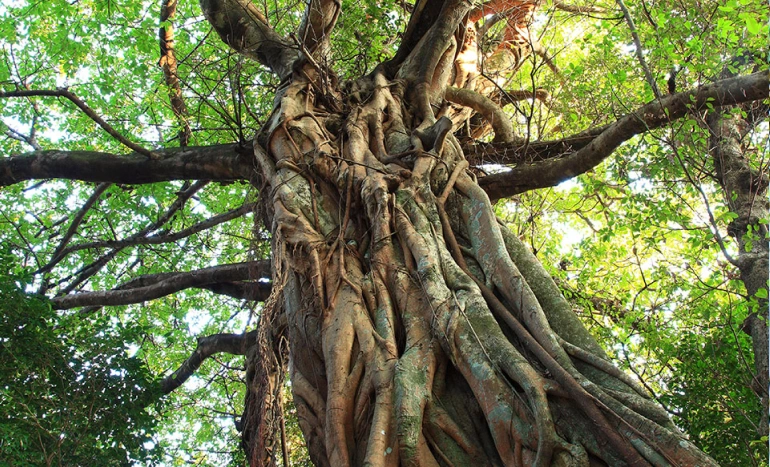
The Life Cycle of the Strangler Fig Tree
Ecological Significance
Fun Facts About Strangler Fig Trees
Environmental Impact
Grow Billion Trees Partners: Promoting Strangler Fig Tree Planting
Conclusion
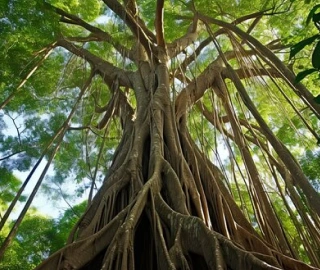
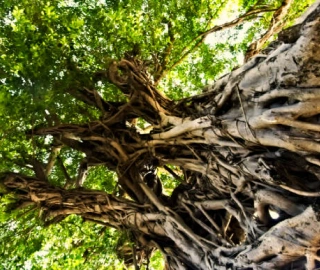
Strangler Fig
Keystone Species
Epiphytic Growth
Biodiversity Champion
Symbiotic Relationships
Fruitful Delights
Rapid Growth
Soil Stabilizers
Climate Warriors
Cultural Significance
Reforestation Advocates
FAQ
What is a strangler fig tree?
The strangler fig tree, scientifically known as the genus Ficus, is a botanical marvel that begins its life as an epiphyte on another tree. It wraps its roots around the host, eventually overshadowing it. Talk about a dramatic growth strategy—nature’s way of saying, “I’m here to stay!”
1
How does the strangler fig tree reproduce?
Strangler figs reproduce through seeds dispersed by birds and other animals that munch on their delicious fruit. Once these seeds find a cozy spot on a host tree, they germinate and start their epic journey. It’s like nature’s version of a housewarming party—just with a lot more strangling involved!
2
What role do strangler figs play in ecosystems?
Strangler figs are keystone species, meaning they significantly impact biodiversity. They create habitats for various wildlife while providing nutrient-rich fruits year-round. These trees are like the social butterflies of the forest, hosting all sorts of critters and keeping the ecosystem thriving!
3
Why are strangler figs considered fast-growing?
Strangler figs are known for their impressive growth rates, often shooting up several feet in a year under optimal conditions. They’re the overachievers of the tree world, quickly dominating their surroundings and ensuring they get the sun and nutrients they crave. Talk about a green thumb!
4
What are some fun facts about strangler figs?
Some have fascinating symbiotic relationships with fig wasps, while others hold historical significance, like the sacred fig in India. Strangler figs are not just trees; they’re the life of the botanical party with plenty of stories to tell!
5
How do strangler figs contribute to soil health?
The roots of strangler figs stabilize soil and prevent erosion, acting like nature’s very own soil engineers. As these roots decay, they enrich the soil with organic matter, promoting the growth of other plants. Who knew a tree could be such a helpful neighbor?
6
What is the significance of strangler figs for wildlife?
Strangler figs provide essential nesting sites and food sources for birds, bats, and insects. Their intricate structures create a bustling ecosystem, making them vital for maintaining forest health. It’s like a wildlife hotel where everyone checks in for a good meal and cozy shelter!
7
How do strangler figs help combat climate change?
Strangler figs contribute to climate regulation by sequestering carbon and releasing oxygen. Their presence in forests helps mitigate climate change effects. These trees are like nature’s little carbon sponges, soaking up CO2 and giving back fresh air. Talk about a breath of fresh air!
8
What initiatives are organizations taking to promote strangler figs?
Organizations like Grow Billion Trees Partners are on a mission to plant strangler figs and combat deforestation. They engage communities, conduct research, and advocate for policies supporting tree conservation. It’s tree-mendous teamwork to ensure these botanical wonders continue to thrive!
9
How do strangler figs affect local hydrology?
Strangler figs play a crucial role in the water cycle by absorbing and releasing water through transpiration. They help maintain local hydrology, supporting surrounding vegetation and wildlife. Think of them as nature’s hydration stations, keeping the ecosystem quenched and thriving!
10
What is the historical significance of strangler figs?
Strangler figs have been revered in various cultures throughout history, with the sacred fig in India symbolizing enlightenment. These trees have witnessed countless stories, making them not just ecological wonders but also cultural icons. They’re the wise old sages of the botanical world!
11
Your Suggestions
Leave your message and we'll get back to you shortly.