


Indian Devil Tree: Unveiling the Mystical Secrets and Folklore Behind Nature's Enigmatic Wonder
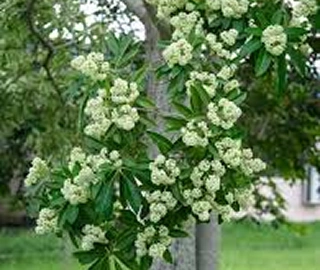
Indian Devil Tree

The Indian Devil Tree, scientifically known as Alstonia scholaris, is a fascinating species that has captivated the imagination of many due to its unique characteristics and the rich folklore surrounding it.

This majestic tree, often found in the tropical and subtropical regions of India, is not just a botanical marvel but also a pivotal part of local culture and history.

In this blog, we will delve into the mystical secrets, scientific data, environmental impact, and the folklore associated with the Indian Devil Tree, while also exploring how organizations like Grow Billion Trees are working to promote and protect this remarkable species.

Botanical Characteristics of the Indian Devil Tree

The Indian Devil Tree is a tall evergreen tree that can reach heights of up to 40 meters (approximately 130 feet). It has a straight trunk with a diameter of about 1 meter (3.3 feet) and a dense canopy of glossy, dark green leaves.

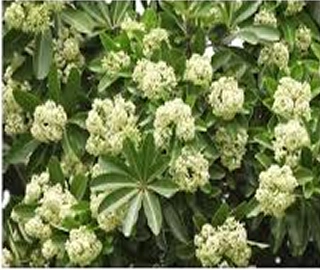
The leaves are lanceolate, measuring between 10 to 25 cm in length, and are arranged in whorls of 4 to 8, giving the tree a unique appearance. The flowers of the Indian Devil Tree are white to cream-colored and are borne in clusters, emitting a sweet fragrance that attracts various pollinators.

One of the most interesting aspects of the Indian Devil Tree is its latex. The tree produces a milky latex that is used in traditional medicine for its analgesic and anti-inflammatory properties. This latex is also used to make a type of rubber, although it is not commercially viable compared to other sources. The bark of the tree is known for its medicinal properties as well, being rich in alkaloids that have been used in herbal remedies for centuries.

Folklore and Cultural Significance

The Indian Devil Tree is steeped in folklore and mythology, particularly in the regions where it is predominantly found.

One of the most popular legends surrounding the tree is its association with spirits and the supernatural. Locals often believe that the tree is a dwelling place for spirits, and it is said that those who disturb the tree may invite misfortune or bad luck. This belief has led to the tree being revered and protected in many communities.

In some cultures, the Indian Devil Tree is associated with the afterlife. It is believed that the tree serves as a bridge between the living and the dead, and rituals are often performed under its canopy to honor ancestors. This connection to the spiritual realm has made the Indian Devil Tree a symbol of respect and reverence in various cultures, contributing to its conservation.

Scientific Data and Research

Research on the Indian Devil Tree has revealed its potential benefits for the environment and human health. The tree is known for its ability to sequester carbon dioxide, making it an essential player in combating climate change. A mature Indian Devil Tree can absorb significant amounts of CO2, contributing to cleaner air and a healthier ecosystem.

Studies have also highlighted the tree's role in promoting biodiversity. The Indian Devil Tree provides habitat for various species of birds, insects, and mammals, making it a crucial element of the local ecosystem. Its flowers attract pollinators, while its leaves serve as food for herbivorous animals. By planting and conserving Indian Devil Trees, we can help maintain the delicate balance of our ecosystems.

Moreover, the medicinal properties of the Indian Devil Tree have garnered attention from researchers. Extracts from the bark and leaves have shown potential in treating various ailments, including fever, dysentery, and respiratory issues. The alkaloids found in the tree have been studied for their anti-cancer properties, opening new avenues for pharmaceutical research.

Environmental Impact and Conservation Efforts

The Indian Devil Tree plays a vital role in maintaining ecological balance. Its extensive root system helps prevent soil erosion, while its canopy provides shade and shelter for various species. However, like many tree species, the Indian Devil Tree faces threats from deforestation, urbanization, and climate change. Conservation efforts are essential to ensure the survival of this magnificent tree and its associated ecosystems.

Organizations like Grow Billion Trees are at the forefront of reforestation and conservation initiatives in India. Their mission is to plant a billion trees across the country, with a focus on native species like the Indian Devil Tree. By promoting the planting of these trees, they aim to restore degraded landscapes, enhance biodiversity, and combat climate change.

Grow Billion Trees partners with local communities, schools, and organizations to execute tree-planting projects. They provide education on the importance of trees and engage volunteers in hands-on activities that promote environmental stewardship. These initiatives not only help in reforestation but also empower communities to take an active role in conserving their natural heritage.

The organization employs innovative strategies to promote its projects, including social media campaigns, educational workshops, and community events. By raising awareness about the significance of the Indian Devil Tree and other native species, Grow Billion Trees fosters a culture of conservation and sustainability.

Fun Facts about the Indian Devil Tree

  • The Indian Devil Tree is often referred to as the "Scholar Tree" due to its association with education and knowledge in various cultures.
  • Its latex is known to have antibacterial properties, making it useful in traditional medicine.
  • The tree can live for over 100 years, making it a long-term contributor to the ecosystem.
  • In some regions, the tree is planted near schools and temples as a symbol of wisdom and enlightenment.
  • The wood of the Indian Devil Tree is lightweight and is used in making furniture and crafts.

Conclusion
The Indian Devil Tree is more than just a botanical specimen; it is a symbol of cultural heritage, ecological significance, and medicinal potential. Its mystical allure and the folklore surrounding it add to its charm, making it a cherished part of the landscape in India.

As we face the challenges of climate change and environmental degradation, the importance of conserving such species cannot be overstated. Organizations like Grow Billion Trees are making strides in promoting the planting and protection of the Indian Devil Tree, ensuring that future generations can appreciate its beauty and benefits. By supporting these initiatives, we can contribute to a healthier planet and a richer cultural legacy.

In conclusion, the Indian Devil Tree stands as a testament to the intricate relationship between nature and humanity. Its mysteries, folklore, and ecological roles remind us of the importance of preserving our natural world. Let us embrace the wisdom of the Indian Devil Tree and work together to protect and celebrate the wonders of nature.

Indian Cork Fig Fruits
Indian Cork Fig Tree

FAQ

What is the Indian Devil Tree?

A tall evergreen known scientifically as Alstonia scholaris, the Indian Devil Tree is a botanical wonder that reaches heights of up to 40 meters. With its glossy leaves and fragrant flowers, it's not just a pretty face; it also plays a vital role in local culture and ecology.

01

Why is it called the Indian Devil Tree?

The name might sound ominous, but it's rooted in local folklore. Many believe the tree is a dwelling place for spirits, and disturbing it could invite misfortune. So, tread lightly around this majestic giant—better safe than sorry!

02

What are the medicinal properties of the Indian Devil Tree?

This tree is not just a pretty sight; its latex and bark are packed with medicinal properties. Traditionally used for pain relief and inflammation, it's also been studied for its potential anti-cancer effects. Talk about a tree that's got your back!

03

How does the Indian Devil Tree contribute to the environment?

The Indian Devil Tree is a superhero in disguise! It sequesters carbon dioxide, combats climate change, prevents soil erosion, and provides habitat for diverse wildlife. Planting this tree means giving Mother Nature a helping hand while looking stylish!

04

What folklore surrounds the Indian Devil Tree?

The Indian Devil Tree is steeped in legends, often viewed as a bridge between the living and the dead. Rituals are performed beneath its canopy to honor ancestors, making it a symbol of respect and reverence. A tree with a past—what's not to love!

05

How does the Indian Devil Tree promote biodiversity?

This tree is like a five-star hotel for wildlife! Its flowers attract pollinators, while its leaves serve as food for herbivores. By planting and conserving Indian Devil Trees, we're not just adding greenery; we're boosting the local ecosystem's health and diversity.

06

What role does Grow Billion Trees play in conservation?

Grow Billion Trees is on a mission to plant a billion trees, focusing on native species like the Indian Devil Tree. They engage communities in reforestation efforts, proving that saving the planet can be a team sport—one tree at a time!

07

How long can the Indian Devil Tree live?

The Indian Devil Tree is a long-term investment in nature, living over 100 years! Think of it as the wise old sage of the forest—standing tall, providing shade, and reminding us of the importance of patience and longevity in our rapidly changing world.

08

What are some fun facts about the Indian Devil Tree?

This tree is often called the "Scholar Tree" due to its association with education. Its lightweight wood is perfect for crafts, and its antibacterial latex adds to its charm. Who knew a tree could be so versatile and wise!

09

How does the Indian Devil Tree help combat climate change?

By absorbing significant amounts of CO2, the Indian Devil Tree is a natural climate warrior. It helps purify the air and contributes to a healthier ecosystem. Planting one is like giving a high-five to the planet!

10

Why should we support conservation efforts for the Indian Devil Tree?

Supporting conservation initiatives for the Indian Devil Tree is like investing in a greener future. It ensures that future generations can enjoy its beauty and benefits while promoting ecological balance. Together, we can be the guardians of this magnificent species!

11
logo
back top