

Licorice Tree: Nature’s Sweetest Medicinal Marvel
Licorice Root - Sweet and Healing

The Licorice Tree, scientifically known as Glycyrrhiza glabra, is a perennial plant revered for its sweet roots, which have been cherished for over 3,000 years in traditional medicine, culinary arts, and even trade along the Silk Road. While commonly called a "tree," licorice is a legume that forms woody roots packed with potent compounds like glycyrrhizin. In this blog, we’ll uncover the rich history, scientific wonders, health benefits, and environmental impact of this sweet powerhouse, exploring why it’s a cornerstone of wellness and sustainability.

What is the Licorice Tree?

The Licorice Tree belongs to the Fabaceae family and is native to Europe, Asia, and the Mediterranean. Its sweet roots, rich in glycyrrhizin, make it a prized ingredient in both medicinal and culinary traditions.

Scientific Classification

Kingdom: Plantae
Family: Fabaceae
Genus: Glycyrrhiza
Species: Glycyrrhiza glabra

Physical Characteristics

Height: Grows up to 1–2 meters (3–6 feet).
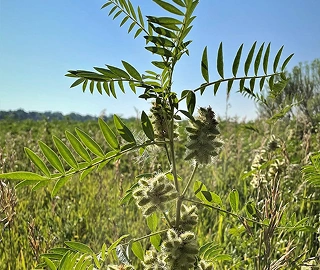
Leaves: Pinnate, with 9–17 green, slightly sticky leaflets.
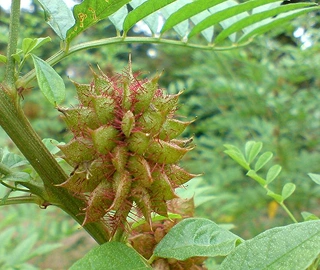
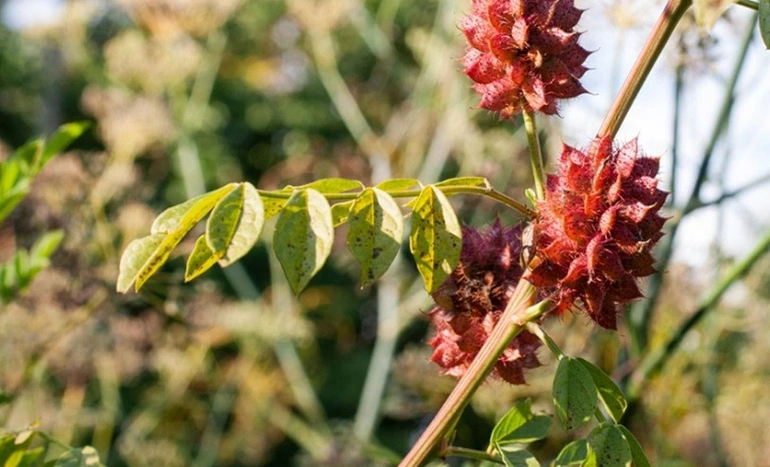
Roots: Long, woody, and sweet, containing glycyrrhizin, flavonoids, and coumarins.
Flowers: Small, purple to pale blue, blooming in loose spikes.

Historical and Cultural Significance

1. Ancient Medicine: Licorice was used in ancient Egypt, Greece, and China to treat respiratory, digestive, and inflammatory conditions, with Hippocrates among its early advocates.
2. Culinary Heritage: Licorice is a star in confections like Dutch salted licorice and herbal teas, adding a unique sweet flavor to global cuisines.
3. Trade Legacy: A valuable commodity along the Silk Road, licorice spurred plantations in Europe during the Middle Ages.

Ecological Importance of the Licorice Tree

1. Soil Stabilization: Licorice’s deep root system prevents erosion and improves soil structure in temperate regions.
2. Carbon Sequestration: As a perennial plant, licorice absorbs carbon dioxide, aiding climate change mitigation.
3. Biodiversity Support: Its cultivation provides habitats for various species, enhancing local ecosystems.

Health Benefits and Medicinal Uses

Licorice is a treasure trove of bioactive compounds, offering a range of health benefits.
1. Anti-inflammatory Properties: Glycyrrhizin reduces inflammation, helping with arthritis and inflammatory bowel disease.
2. Antiviral Effects: Effective against viruses like herpes simplex and hepatitis C.
3. Digestive Aid: Soothes heartburn, indigestion, and promotes mucosal health.
4. Respiratory Support: Acts as an expectorant, clearing mucus and easing coughs.
5. Hormonal Balance: May regulate cortisol levels, supporting stress management.
6. Antioxidant Boost: Contains flavonoids that combat oxidative stress.
Note: Overconsumption can lead to hypertension or electrolyte imbalances, so use in moderation.

Fun Facts About the Licorice Tree

  • Sweet Without Sugar: Licorice’s sweetness comes from glycyrrhizin, not related to anise or fennel.
  • Name Origin: Derived from the Greek "glycyrrhiza," meaning "sweet root."
  • Salted Sweets: Dutch salted licorice is a beloved, unique treat.
  • Global Export: Licorice root is a major export for countries like Iran and China.
  • Versatile Plant: Used in teas, candies, lozenges, and pharmaceuticals.

How to Grow and Care for a Licorice Tree

Growing licorice is rewarding for gardeners in temperate climates.
1. Ideal Growing Conditions:
Climate: Thrives in warm, temperate regions.
Soil: Prefers well-drained, sandy loam with neutral pH.
2. Planting:
Use root cuttings or seeds in a sunny location with 6–8 hours of direct sunlight.
3. Maintenance:
Watering: Moderate, avoiding waterlogging.
Pruning: Trim to encourage root growth.
Fertilization: Use organic compost for healthy development.

Culinary Uses of Licorice

Licorice adds a sweet, distinctive flavor to a variety of creations.
1. Confectionery: A key ingredient in candies, especially Dutch salted licorice.
2. Herbal Teas: Licorice root tea is soothing and naturally sweet.
3. Beverages: Enhances liqueurs, syrups, and soft drinks with its unique taste.
4. Savory Dishes: Used sparingly in spice blends for a sweet, aromatic touch.
5. Desserts: Infuses syrups and creams for a subtle, sweet flavor.

Environmental and Economic Impact

1. Sustainable Farming: Licorice requires minimal water and inputs, making it ideal for sustainable agriculture.
2. Livelihood Opportunities: Global demand for licorice products supports farmers in regions like Europe and Asia.
3. Climate Mitigation: As a perennial, licorice sequesters carbon, reducing greenhouse gases.

Challenges and Conservation Efforts

While licorice is hardy, it faces challenges:
1. Overharvesting: Unsustainable harvesting threatens wild populations.
2. Land Degradation: Intensive farming can reduce soil fertility.
Conservation Measures:
Promote sustainable cultivation practices.
Support organic farming to minimize environmental harm.
Encourage tree planting alongside licorice crops.

Conclusion

The Licorice Tree is far more than a sweet treat; it’s a symbol of health, history, and sustainability. Its versatility in traditional medicine, modern pharmaceuticals, and global cuisines makes it an invaluable plant. By embracing sustainable practices, like those championed by Grow Billion Trees, we can enjoy licorice’s benefits while protecting our planet. Whether you’re a health enthusiast, chef, or eco-warrior, the Licorice Tree offers endless possibilities. Embrace its sweet legacy and let it enrich your life and environment. 🌿🍬

Licorice Root - Vibrant Herb
Licorice - Environmental Benefits

Licorice Tea Benefits

Sip your way to comfort with licorice tea, a soothing brew that eases digestion, supports respiratory health, and offers a naturally sweet escape. It’s like a cozy blanket for your insides.

Growing Licorice at Home

Bring a touch of sweetness to your garden with licorice. With sun, well-drained soil, and a bit of care, you’ll have a medicinal marvel that doubles as a garden gem.

Licorice Root Uses

This sweet root isn’t just for candy. Use licorice in teas, lozenges, or extracts to soothe coughs, aid digestion, or add flavor—it’s your multi-tasking herbal buddy.

Licorice in Global Cuisine

From Dutch salted licorice to herbal teas, this root adds a sweet zing to candies, beverages, and savory dishes. It’s the secret behind bold, flavorful creations.

Health Benefits of Licorice

Licorice fights inflammation, boosts immunity, and soothes digestion. It’s a sweet health tonic that keeps your body happy—just enjoy it in moderation.

Licorice-Infused Beverages

Skip plain drinks and try licorice-infused teas or syrups. They’re sweet, soothing, and make every sip feel like a luxurious, health-boosting treat.

Cooking with Licorice Root

Licorice root is a kitchen game-changer, adding sweet depth to syrups, desserts, and savory blends. It’s the herb that elevates your culinary creations.

Licorice Companion Plants

Pair licorice with lavender, rosemary, or mint in your garden. These combos enhance growth, deter pests, and create a vibrant, eco-friendly garden space.

Licorice for Skin Care

Licorice isn’t just for eating. Its anti-inflammatory and antimicrobial properties make it a star in skincare, soothing irritation and brightening skin naturally.

Licorice in Traditional Remedies

Used for centuries in herbal medicine, licorice eases coughs, supports digestion, and promotes wellness. It’s nature’s sweet solution for a healthier you.

Licorice in Pharmaceuticals

From cough syrups to digestive aids, licorice bridges ancient wisdom and modern medicine, proving its sweet power remains vital in today’s pharmacies.

Sustainable Licorice Cultivation

Sustainable licorice farming, supported by initiatives like Grow Billion Trees, boosts soil health and biodiversity, letting you enjoy this sweet root guilt-free.

FAQ

What is licorice and why is it called a medicinal marvel?

Licorice is the sweet, aromatic root of the Glycyrrhiza glabra plant, celebrated for its medicinal properties and culinary versatility. It’s called a medicinal marvel for its anti-inflammatory, antiviral, and digestive benefits, making it a sweet superstar in both wellness and flavor.

01

What are the historical uses of licorice?

Licorice has a 3,000-year legacy, used by ancient Egyptians as a sweetener and medicine, and by Greeks like Hippocrates for respiratory and digestive issues. Traded along the Silk Road, it’s been a timeless herbal hero across cultures.

02

What are the scientific benefits of licorice?

Licorice fights inflammation, battles viruses, and supports digestion with compounds like glycyrrhizin. It’s like a natural pharmacy, but overdo it, and you might face hypertension—sweet benefits come with a need for balance!

03

How does licorice support digestive health?

Licorice soothes your stomach by promoting mucosal health and reducing acid production. It’s like a sweet, calming balm for heartburn and indigestion, turning tummy troubles into moments of relief.

04

What are the environmental impacts of licorice cultivation?

Licorice boosts soil health and biodiversity, but overharvesting can harm ecosystems. Sustainable farming keeps this sweet root eco-friendly, ensuring we enjoy its benefits without stressing Mother Earth.

05

What is Grow Billion Trees?

Grow Billion Trees is a global initiative planting trees and promoting sustainable agriculture, including licorice. They empower farmers with eco-friendly practices, giving both communities and the planet a sweet, green boost.

06

How does Grow Billion Trees promote sustainable licorice farming?

Grow Billion Trees trains farmers in sustainable licorice cultivation, pairs it with tree planting, and connects them to markets. It’s a sweet deal for soil, biodiversity, and local economies!

07

What are some fun facts about licorice?

Licorice’s name means “sweet root” in Greek, and it’s not related to anise or fennel despite similar flavors. Dutch salted licorice is a quirky treat—sweet, salty, and totally unique!

08

How can I enjoy licorice?

Savor licorice in candies, lozenges, teas, or extracts. From Dutch salted treats to soothing brews, it’s a versatile delight—just keep portions modest for a sweet, safe experience.

09

What should I know about licorice consumption?

Licorice offers health perks but overindulging can cause hypertension or electrolyte issues. Enjoy it sparingly, and it’s a sweet ally for your wellness routine—balance is the key!

10

Is licorice safe for everyone?

Licorice is safe for most, but those with high blood pressure or kidney issues should be cautious. Consult a doctor if unsure—nature’s sweets are best enjoyed with care!

11
logo
back top