


Himalayan Fir Tree
Himalayan Fir Tree: The Majestic Evergreen That Transforms Your Landscape and Boosts Biodiversity!

Scientific Characteristics of the Himalayan Fir Tree
Fun Facts About Himalayan Fir Trees
Historical Significance
Environmental Impact
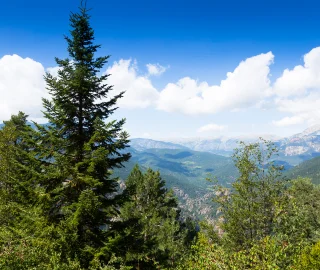
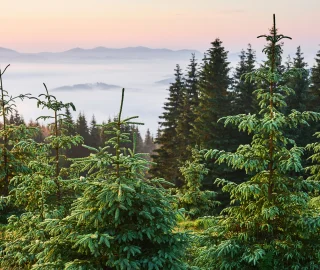
Himalayan Fir Characteristics
Cultural Significance of Himalayan Fir
Environmental Benefits of Himalayan Fir
Challenges Facing Himalayan Fir
Conservation Efforts for Himalayan Fir
Growing Himalayan Fir Trees
Himalayan Fir Wood
Himalayan Fir and Biodiversity
Himalayan Fir in Traditional Medicine
Himalayan Fir and Climate Change
Himalayan Fir in Landscaping
FAQ
What is the Himalayan Fir Tree?
The Himalayan Fir Tree, or Abies pindrow, is a stunning evergreen that can reach heights of 50 meters. Found in the Himalayas, it boasts needle-like leaves and cylindrical cones. Not just a pretty face, it plays a vital role in maintaining ecological balance and enhancing biodiversity in its native habitat.
01
How tall can Himalayan Fir Trees grow?
These majestic trees can grow up to a whopping 50 meters tall! That's taller than a 15-story building, making them the skyscrapers of the forest. With a trunk diameter of up to 1.5 meters, they certainly know how to stand out in the crowd of nature.
02
What makes Himalayan Fir Trees unique?
The Himalayan Fir is unique not just for its size but also for its adaptability. Thriving at high altitudes, it can withstand harsh weather while preferring well-drained, acidic soils. Its lush, spirally arranged needles and impressive cones add to its charm, making it a true marvel of nature.
03
Why are Himalayan Fir Trees called the "Queen of the Himalayas"?
This regal title stems from their majestic stature and beauty. Just like royalty, they stand tall and proud, dominating the landscape while providing essential ecological benefits. Plus, who wouldn't want to be crowned the queen of such a breathtaking region
04
What is the environmental impact of Himalayan Fir Trees?
Himalayan Fir Trees are eco-warriors! They sequester carbon, provide habitat for wildlife, prevent soil erosion, and regulate microclimates. Their dense foliage supports a diverse ecosystem, making them key players in maintaining ecological balance and biodiversity in the Himalayas.
05
How long can Himalayan Fir Trees live?
These trees are the Methuselahs of the forest, with some individuals living for over 500 years! Talk about longevity! Their impressive lifespan not only adds to their majestic presence but also allows them to contribute to the ecosystem for centuries.
06
What challenges do Himalayan Fir Trees face?
Despite their resilience, Himalayan Fir Trees face threats like climate change, habitat loss from deforestation, and invasive species. These challenges can disrupt their growth and survival, making conservation efforts more crucial than ever to ensure they continue to thrive in their native habitats.
07
How can I help conserve Himalayan Fir Trees?
You can join the fight for conservation by supporting organizations like Tree Donate Partners. Engage in reforestation efforts, plant Himalayan Fir Trees, and spread awareness about their ecological importance. Every action counts, and together we can ensure these magnificent trees flourish for generations to come.
08
How do I grow Himalayan Fir Trees?
Growing Himalayan Fir Trees is a rewarding endeavor! Choose a location with well-drained, acidic soil, and plant seeds or young saplings in spring or fall. Regular watering, soil preparation, and maintenance will ensure these beauties thrive, allowing you to enjoy their majestic presence in your landscape.
09
What is the historical significance of Himalayan Fir Trees?
Historically, these trees have been vital to local communities, providing timber for homes, furniture, and even musical instruments. Their resin has been used in traditional medicine and rituals, highlighting their multifaceted importance and deep-rooted connection to the culture of the Himalayan region.
10
Why are Himalayan Fir Trees important for biodiversity?
Himalayan Fir Trees are essential for biodiversity as they provide habitat for numerous wildlife species. Their dense foliage supports a variety of birds, insects, and mammals, contributing to a healthy ecosystem. By promoting biodiversity, these trees help maintain the delicate balance of life in the Himalayas.
11
Your Suggestions
Leave your message and we'll get back to you shortly.