


Silvopasture Systems
Silvopasture Systems:
Navigating Challenges and Opportunities
Welcome to the harmonious landscapes of Silvopasture Systems, where trees, forage, and livestock coexist in a mutually beneficial relationship. In this comprehensive guide, we'll delve into the intricacies of silvopasture, exploring its definition, types, importance, development strategies, threats, and conservation measures. So, let's embark on this journey to discover how silvopasture systems can integrate productivity with sustainability, benefiting both the environment and livelihoods.
Key Insight
About Silvopasture Systems: Silvopasture is an agroforestry practice that integrates trees or shrubs with livestock grazing or forage production, creating a synergistic ecosystem that enhances productivity, biodiversity, and resilience. By combining elements of forestry, agriculture, and animal husbandry, silvopasture systems maximize land use efficiency and ecological benefits while providing multiple sources of income for farmers.
Types of Silvopasture Systems
Definition: Silvopasture Systems can be defined as integrated land management systems that combine trees or shrubs with livestock grazing or forage production, promoting sustainable agriculture, biodiversity conservation, and rural livelihoods.
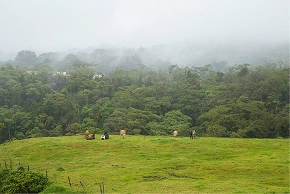
Tree-Based Silvopasture: Trees are planted or maintained within pastures to provide shade, shelter, and additional forage for livestock grazing.
Alley Cropping: Rows of trees are planted in between forage crops or grasslands, allowing for simultaneous production of timber, forage, and livestock grazing.
Agroforestry Grazing: Livestock are grazed within existing forests or woodlands, utilizing the understory vegetation while preserving tree cover and ecosystem integrity.

Important Facts
- Silvopasture systems offer numerous ecological, economic, and social benefits, including improved soil health, enhanced carbon sequestration, increased biodiversity, and diversified income streams.
- These systems can contribute to climate change mitigation and adaptation by sequestering carbon in trees and soil, reducing greenhouse gas emissions from livestock, and enhancing ecosystem resilience to extreme weather events.
- Silvopasture practices vary widely depending on local environmental conditions, species preferences, management objectives, and market opportunities, allowing for flexible and adaptive approaches to implementation.
Geographical Location in India: Silvopasture systems have the potential to thrive in various agro-climatic zones across India, from the humid tropics of Kerala to the arid plains of Rajasthan. Regions with diverse vegetation types, including grasslands, woodlands, and agroforestry landscapes, offer suitable conditions for implementing silvopasture practices and realizing their full potential.
Importance
- Sustainable Livelihoods: Silvopasture systems provide farmers with diversified income streams from timber, forage, and livestock products, enhancing resilience to market fluctuations and climate variability.
- Climate Resilience: By sequestering carbon in trees and soil, reducing soil erosion, and mitigating livestock emissions, silvopasture systems contribute to climate change mitigation and adaptation efforts.
- Biodiversity Conservation: Integrating trees with livestock grazing or forage production creates diverse habitats for wildlife, enhances ecosystem services, and preserves genetic diversity of native tree and plant species.

Development Strategies
- Farmer Training and Extension: Providing farmers with training, technical assistance, and extension services on silvopasture practices and management techniques empowers them to adopt sustainable land management practices and optimize productivity.
- Tree Species Selection: Selecting appropriate tree species based on local climatic conditions, soil types, livestock preferences, and market demand is essential for successful implementation and long-term viability of silvopasture systems.
- Policy Support: Enacting supportive policies, incentives, and regulations that recognize and promote silvopasture as a sustainable land use option, provide financial incentives for tree planting and conservation, and facilitate access to markets and extension services is crucial for scaling up adoption and mainstreaming silvopasture practices.


Key Insights for Learning
- Holistic Management Approach: Adopting a holistic approach to land management that integrates ecological, economic, and social objectives promotes resilience, sustainability, and productivity in silvopasture systems.
- Adaptive Management: Recognize that silvopasture systems are dynamic and site-specific, requiring continuous monitoring, experimentation, and adaptation to changing environmental conditions, market dynamics, and management goals.
- Knowledge Sharing and Collaboration: Engage with local communities, researchers, extension agents, and policymakers to share experiences, best practices, and lessons learned in silvopasture development and management, fostering innovation, collaboration, and collective learning.
Threats Faced
- Land Degradation: Unsustainable land use practices, such as overgrazing, deforestation, and soil erosion, degrade ecosystem health and undermine the productivity and resilience of silvopasture systems.
- Policy and Institutional Barriers: Inadequate policy support, unclear land tenure arrangements, and lack of access to extension services and financial resources hinder farmers' ability to adopt and sustainably manage silvopasture systems.
- Market Constraints: Limited access to markets, processing facilities, and value-added products for timber, forage, and livestock products may constrain the economic viability and scalability of silvopasture enterprises.
Conservation
- Sustainable Land Management: Implementing sustainable land management practices such as rotational grazing, tree pruning, and soil conservation measures minimizes environmental impacts and enhances ecosystem services provided by silvopasture systems.
- Policy Reform: Advocating for policy reforms that recognize and incentivize silvopasture as a sustainable land use option, provide financial incentives for tree planting and conservation, and support farmer-led innovation and adaptation is crucial for mainstreaming silvopasture practices and scaling up adoption.
- Knowledge Sharing and Capacity Building: Facilitating knowledge sharing, capacity building, and peer-to-peer learning among farmers, researchers, extension agents, and policymakers promotes innovation, collaboration, and collective action in silvopasture development and management.
Conclusion
Conclusion: In conclusion, silvopasture systems offer a promising pathway towards sustainable agriculture, environmental conservation, and rural development. By harnessing the synergies between trees, forage, and livestock, we can cultivate resilient landscapes that provide multiple benefits for people, planet, and prosperity. So, let's embrace the transformative potential of silvopasture and work together to build a future where agriculture and nature thrive in harmony.
1
Silvopasture Systems
Silvopasture systems integrate trees or woody shrubs with forage and livestock production, creating multifunctional landscapes that provide economic, environmental, and social benefits. These systems combine forestry, agriculture, and animal husbandry practices to improve soil health, enhance biodiversity, and increase overall productivity while mitigating climate change through carbon sequestration.
2
Tree Grazing
Tree grazing involves allowing livestock to graze among trees or woody shrubs within silvopasture systems. This practice provides shade and shelter for animals, reduces heat stress, and enhances the utilization of forage resources, resulting in improved animal welfare and productivity while promoting natural regeneration and carbon sequestration in tree biomass and soils.
3
Agroforestry Integration
Silvopasture systems incorporate a diverse array of tree species, such as leguminous trees, nitrogen-fixing species, and fruit trees, alongside pasture vegetation to maximize ecosystem services and agricultural productivity. Agroforestry integration in silvopasture systems enhances soil fertility, nutrient cycling, and water retention, while diversifying farm income streams and providing additional ecosystem benefits such as wildlife habitat and watershed protection.
4
Rotational Grazing Management
Rotational grazing management is a key component of silvopasture systems, involving the systematic movement of livestock through different paddocks or pastures to optimize forage utilization, soil health, and vegetation regrowth. By rotating livestock between grazing areas and allowing periods of rest and recovery for vegetation, rotational grazing management enhances carbon sequestration in soils, improves pasture productivity, and reduces greenhouse gas emissions from livestock production.
5
Windbreaks and Shelterbelts
Windbreaks and shelterbelts are rows of trees or shrubs strategically planted along field edges or within pasture areas to provide protection from wind, reduce soil erosion, and create microclimatic conditions that benefit livestock and crops. Silvopasture systems incorporate windbreaks and shelterbelts to enhance animal comfort, improve forage quality, and increase overall farm resilience to extreme weather events while sequestering carbon in woody biomass and soils.
6
Livelihood Diversification
Silvopasture systems offer opportunities for livelihood diversification by integrating tree-based products, such as timber, fruit, nuts, and medicinal plants, with traditional livestock and forage production. This diversified income stream enhances farm profitability and resilience to market fluctuations while providing additional environmental benefits such as carbon sequestration, biodiversity conservation, and watershed management.
7
Climate Resilience
Silvopasture systems contribute to climate resilience by enhancing the adaptive capacity of agricultural landscapes to climate change impacts such as drought, flooding, and temperature extremes. By improving soil structure, water infiltration, and nutrient cycling, silvopasture systems increase the resilience of pasture ecosystems to climate variability while sequestering carbon and reducing greenhouse gas emissions from agricultural activities.
8
Community Engagement and Knowledge Sharing
Community engagement and knowledge sharing are essential for the successful adoption and implementation of silvopasture systems, as they involve collaboration among farmers, researchers, extension agents, and policymakers. By facilitating peer-to-peer learning, demonstration sites, and participatory research, community engagement initiatives promote the widespread adoption of silvopasture systems and contribute to sustainable land management practices, rural livelihoods, and climate change mitigation efforts.
 OUR FAQ US
Frequently Asked Questions About Silvopasture Systems
What are Silvopasture Systems and how do they function?
Silvopasture systems integrate trees, forage crops, and livestock grazing within the same land area. Trees provide shade, shelter, and additional forage for livestock, while livestock grazing helps manage vegetation growth and nutrient cycling, creating a sustainable and productive agroforestry system.
01
What are the environmental benefits of Silvopasture Systems?
Silvopasture systems offer several environmental benefits, including carbon sequestration in trees and soils, reduced soil erosion and nutrient runoff, improved water infiltration and retention, enhanced biodiversity through habitat creation, and increased resilience to climate change impacts.
02
How do Silvopasture Systems contribute to sustainable agriculture?
Silvopasture systems contribute to sustainable agriculture by maximizing land productivity through multi-functional land use, enhancing soil health and fertility, reducing dependence on external inputs such as fertilizers and pesticides, and promoting ecosystem services that benefit both agriculture and the environment.
03
What role do trees play in Silvopasture Systems?
Trees in silvopasture systems provide numerous functions such as shade and shelter for livestock, fodder and browse for forage, windbreaks to mitigate erosion and weather extremes, carbon sequestration to mitigate climate change, and additional income streams through timber and non-timber forest products.
04
How does livestock grazing benefit Silvopasture Systems?
Livestock grazing in silvopasture systems helps manage vegetation growth, reduce fuel loads, and improve nutrient cycling through manure deposition, which enhances soil fertility and forage productivity while promoting biodiversity and ecosystem resilience.
05
What are the challenges associated with implementing Silvopasture Systems?
Challenges include selecting appropriate tree and forage species for specific agro-climatic conditions, managing tree-livestock interactions to prevent damage to trees and ensure animal welfare, addressing tenure and property rights issues, and integrating silvopasture into existing farm management practices.
06
How does the establishment of Silvopasture Systems support rural development?
The establishment of silvopasture systems can support rural development by providing diversified income streams for farmers and landowners through timber and non-timber forest products, enhancing livestock productivity and resilience, improving land value and soil health, and creating employment opportunities in agroforestry and livestock management.
07
What role does policy support play in advancing Silvopasture System initiatives?
Policy support is essential for advancing silvopasture system initiatives through incentives, technical assistance, research funding, and regulatory frameworks that promote agroforestry and integrated land use practices, encourage farmer adoption, and address barriers to implementation.
08
How can individuals support Silvopasture System efforts?
Individuals can support silvopasture system efforts by advocating for policies that promote agroforestry and integrated land use practices, investing in agroforestry projects, purchasing products from silvopasture systems, participating in educational and outreach programs, and supporting research on silvopasture technologies and practices.
09
What are the economic benefits of investing in Silvopasture Systems?
Investing in silvopasture systems can yield economic benefits such as increased farm profitability through diversified income streams, reduced input costs for livestock management, enhanced land productivity and resilience, improved market access for sustainable products, and long-term asset value appreciation.
10
Send Your Mail
OUR CONTACT NOW
Determine You Want To Achieve
Relaxing Garden & Functional.
Business tailored design, management & support services. Business agency elit, sed do eiusmod tempor...