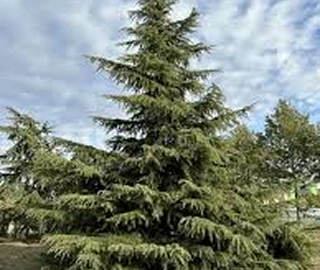


Deodar Tree: Majestic Evergreen Guardian of Himalayan Splendor
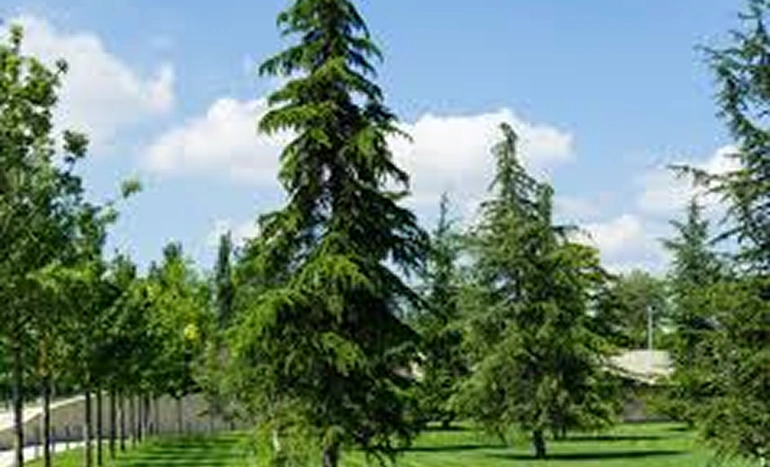
Deodar Tree - Himalayan Evergreen

In the grandeur of the Himalayan landscapes, the Deodar Tree, scientifically known as Cedrus deodara, stands as a majestic evergreen guardian, gracing the mountains with its enduring presence. This iconic tree, recognized for its aromatic wood and towering stature, contributes to the natural beauty of the Himalayas and holds cultural and ecological significance.

Botanical Profile of the Deodar Tree

Description of the Deodar Tree

The Deodar Tree is an evergreen coniferous tree with needle-like leaves and distinctive cone-shaped clusters. Its towering stature provides a majestic canopy, and the tree's branches extend gracefully, contributing to its overall regal appearance.

Habitat and Distribution

Endemic to the western Himalayan region, the Deodar Tree thrives in montane forests and subalpine regions with well-drained, acidic soils. It has been cultivated globally for its ornamental value and timber, particularly abundant in the Himalayan states of India and neighboring regions.

Cultural and Historical Significance

The Deodar Tree has deep roots in cultural and historical narratives, finding mention in traditional texts and practices. Revered for its aromatic wood and majestic presence, it is associated with Lord Shiva in Hindu mythology, symbolizing strength, purity, and spiritual enlightenment.

Symbolism and Traditional Practices

Deodar symbolizes strength, resilience, and cultural heritage. Its wood is used in construction, furniture, and religious ceremonies, emphasizing its role as a symbol of durability and reverence in Himalayan culture.

Conservation and Sustainable Practices

Due to its slow growth, conservation efforts focus on sustainable forestry and habitat restoration to protect Deodar trees from deforestation, illegal logging, and climate change. Community engagement and responsible timber harvesting maintain ecological balance in Himalayan ecosystems.

Deodar Tree Facts

  • Aromatic Wood: Deodar wood is prized for its fragrance and durability, often used in temples and homes.
  • Symbol of Divinity: The name "Deodar" comes from Sanskrit, meaning "wood of the gods."
  • Ornamental Value: Widely planted in gardens and parks globally for its aesthetic appeal.

Deodar Tree Care

Growing Deodar trees requires well-drained, acidic soil, full sun, and moderate watering. Regular fertilizing in spring and pruning to remove dead branches promote vigor. Plant in areas with good air circulation to prevent fungal issues.

Deodar Tree Pruning

Pruning in late winter or early spring enhances structural integrity and aesthetics. Remove dead or crossing branches and shape lightly to maintain natural form, using clean, sharp tools to prevent disease.

Deodar Tree Wood Uses

Deodar wood’s durability and rot resistance make it ideal for construction, carpentry, and furniture. Its attractive grain is used in paneling, beams, and decorative items, offering both functionality and aesthetic appeal.

Deodar Tree Medicinal Uses

Deodar leaves, resin, and essential oils are used in Ayurveda to treat respiratory disorders, skin conditions, and promote relaxation, valued for their anti-inflammatory and calming properties.

Deodar Tree Habitat

Deodar trees thrive in montane forests and subalpine regions of the Himalayas, playing a key role in soil stabilization, watershed protection, and biodiversity conservation in high-altitude ecosystems.

Deodar Tree Conservation

Conservation initiatives focus on habitat restoration, community engagement, and sustainable forestry to protect Deodar trees from deforestation, illegal logging, and climate change impacts.

Deodar Tree Flowering Season

Deodar trees produce pendulous male and female cones in spring, with bloom timing influenced by temperature, rainfall, and tree health, ensuring seed dispersal for forest regeneration.

Deodar Tree Growth Rate

With slow to moderate growth rates, Deodar trees can reach impressive heights over decades, providing shade, timber, and beauty in mountain landscapes under optimal conditions.

Deodar Tree Invasive Potential

In non-native regions, Deodar trees can become invasive, displacing native vegetation and altering ecosystems, requiring careful management when planted outside their native range.

Deodar Tree Leaf Characteristics

Deodar leaves are needle-like, blue-green, and arranged in whorls, adapted to reduce water loss and deter herbivores in cold, windy Himalayan environments.

Deodar Tree Root System

With deep taproots and lateral spreading roots, Deodar trees anchor in rocky, well-drained soils, accessing water and nutrients while stabilizing slopes in mountain habitats.

Deodar Tree Drought Tolerance

Deodar trees exhibit drought tolerance through deep roots, water storage tissues, and reduced transpiration, enabling survival in prolonged dry periods in mountain environments.

Deodar Tree Flower Anatomy

Deodar flowers consist of pendulous male and female cones, with wind-pollination mechanisms producing abundant seeds for dispersal and regeneration in mountain forests.

Deodar Tree Soil Requirements

Deodar trees thrive in well-drained, acidic soils with good aeration and moisture retention, adapting to rocky substrates in their native Himalayan habitats.

Deodar Tree Pest and Disease Management

Common pests like bark beetles and caterpillars, and diseases like root rot, can affect Deodar trees. Proactive monitoring, proper spacing, and fungicide applications help maintain tree health.

Deodar Tree Root Pruning

Root pruning removes circling or surface roots to enhance soil structure and stability on steep slopes, promoting the health and longevity of Deodar trees.

Deodar Tree Landscape Design

Deodar trees enhance landscapes as specimen plantings, windbreaks, or for slope stabilization, offering aesthetic, ecological, and functional benefits in parks and gardens.

Deodar Tree Timber Industry

Deodar trees support the timber industry in mountain communities, providing durable wood for construction and woodworking, contributing to local economies and global markets.

How Grow Billion Trees Promotes Deodar Tree Plantations

At Grow Billion Trees, we actively promote the Deodar Tree for its ecological and cultural significance.

  • Tree Planting Drives: Organizing mass plantations in Himalayan regions to restore ecosystems.
  • Community Awareness: Educating communities about the cultural and ecological value of Deodar.
  • Sustainable Forestry: Partnering with local organizations to promote responsible timber use.

Why Plant a Deodar Tree?

  • Ecological Benefits: Enhances biodiversity and stabilizes soil.
  • Cultural Significance: Connects to Himalayan heritage and traditions.
  • Aesthetic Appeal: Adds majestic beauty to landscapes.

Final Thought
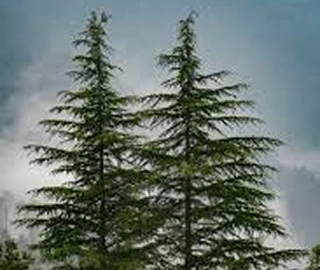
The Deodar Tree, with its majestic evergreen presence, stands as a guardian of Himalayan splendor and a bearer of cultural legacy. Let’s embrace this botanical marvel as a symbol of strength, resilience, and the enduring ties between nature and culture. 🌲

Deodar Tree Needles and Cones
Deodar Tree Timber Uses

Deodar Tree Benefits

The Deodar Tree is more than a scenic marvel; its durable, aromatic wood is used in construction and furniture, while its presence enhances biodiversity and stabilizes soil in Himalayan ecosystems.

Deodar Tree Uses

From crafting furniture to building temples, Deodar wood’s durability and fragrance make it a favorite. Its ornamental value also transforms parks and gardens into majestic landscapes.

Deodar Tree Scientific Name

Cedrus deodara—a name that echoes its divine significance, derived from Sanskrit, meaning "wood of the gods." Its botanical identity reflects its cultural and ecological importance.

Deodar Tree in Culture

Deeply rooted in Himalayan culture, the Deodar is revered in religious ceremonies and traditional practices, symbolizing strength and divinity in the region’s heritage.

Deodar Tree Ecological Properties

The Deodar Tree supports Himalayan ecosystems by preventing soil erosion, providing wildlife habitats, and contributing to the region’s biodiversity.

Deodar Tree Environmental Impact

With its deep roots and evergreen canopy, the Deodar Tree stabilizes soil, supports biodiversity, and enhances the ecological balance of mountainous regions.

Deodar Tree Plantation

Perfect for reforestation, Deodar plantations restore ecosystems, enhance landscapes, and promote sustainable forestry in Himalayan regions and beyond.

Deodar Tree Fun Facts

Did you know the Deodar’s wood is naturally pest-resistant? Or that it’s called the "Tree of the Gods" in ancient texts? This tree is as fascinating as it is majestic!

Deodar Tree and Biodiversity

Planting a Deodar tree supports biodiversity by providing habitat for birds and insects, contributing to healthier Himalayan ecosystems.

FAQ

What is a Deodar tree?

The Deodar tree, also known as the Himalayan cedar, is a majestic coniferous tree native to the western Himalayas. Renowned for its graceful, drooping branches and aromatic wood, it’s highly valued for both ornamental and timber qualities.

01

Where are Deodar trees commonly found?

Deodar trees thrive in the western Himalayan region, including India, Pakistan, and Afghanistan. They flourish in cool, moist mountainous areas, often alongside pines and spruces.

02

What are the characteristics of Deodar trees?

Deodar trees boast a pyramidal shape, drooping branches, and soft, needle-like leaves in spirals. They produce large cones with winged seeds and have aromatic, decay-resistant wood.

03

How tall do Deodar trees grow?

Deodar trees can soar to 40-50 meters (130-160 feet) in ideal conditions, their towering presence making them stunning additions to parks and gardens.

04

What is the scientific name of the Deodar tree?

The scientific name is Cedrus deodara, from the Pinaceae family. “Deodara” comes from Sanskrit, meaning “divine wood,” reflecting its sacred status in Hindu culture.

05

When do Deodar trees bloom?

Deodar trees bloom in spring, with small, wind-pollinated flowers. Male flowers form clusters, while female flowers develop into woody cones over 18 months.

06

How to care for Deodar trees?

Plant in well-drained soil with full sun or partial shade. Water regularly, mulch to retain moisture, and prune dead branches to maintain health and shape.

07

What are the benefits of planting Deodar trees?

Deodar trees provide shade, enhance landscapes, improve air quality, stabilize soil, prevent erosion, and offer wildlife habitat, making them eco-friendly and beautiful additions.

08

Are Deodar trees suitable for urban environments?

Yes! Their pollution tolerance and evergreen foliage make them ideal for urban streets, parks, and boulevards, adding shade and elegance to cityscapes.

09

How to propagate Deodar trees?

Propagate via seeds from mature cones or semi-hardwood cuttings treated with rooting hormone. Use well-draining soil for seeds or cuttings to ensure success.

10

What are the common pests and diseases affecting Deodar trees?

Pests like aphids, scale insects, and spider mites, along with diseases like root rot and needle blight, can affect Deodars. Regular care minimizes these issues.

11

Can Deodar trees tolerate drought?

Once established, Deodar trees are moderately drought-tolerant but thrive with regular watering and mulching to maintain soil moisture during dry spells.

12

How long does it take for a Deodar tree to mature?

Deodar trees take decades to fully mature but grow relatively fast for conifers, offering significant shade and beauty within a shorter timeframe.

13

Are Deodar trees deciduous?

No, Deodar trees are evergreen conifers, retaining their needle-like leaves year-round, providing constant color and texture to landscapes.

14

Can Deodar trees be grown in pots?

Young Deodar trees can grow in large pots with well-draining soil, but they eventually need transplanting to the ground due to their size.

15

What is the significance of Deodar trees in landscaping?

Deodar trees are prized for their graceful form and evergreen foliage, serving as stunning specimen trees, focal points, or windbreaks in large landscapes.

16

Are Deodar trees invasive?

Deodar trees are not typically invasive, though they may naturalize in favorable conditions. Their slow seed dispersal limits widespread invasion risks.

17

How do you prune a Deodar tree?

Prune in late winter or early spring to remove dead or diseased branches, using sharp tools to make clean cuts outside the branch collar.

18

What is the lifespan of a Deodar tree?

With proper care, Deodar trees can live for centuries, with some specimens exceeding 500 years, adding timeless beauty to landscapes.

19

Are Deodar trees protected species?

Deodar trees are not widely protected but may be part of conservation efforts in their native range to preserve their ecological role in mountain ecosystems.

20
logo
back top