

Bakain Tree
Bakain Tree: Nature\u2019s Pest Control, Medicinal Uses, and Eco-Friendly Champion
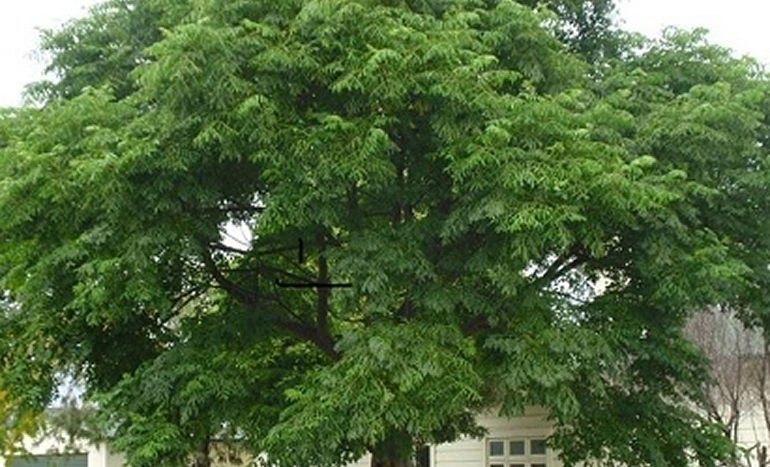
Bakain Tree: Nature’s Pest Control, Medicinal Uses, and Eco-Friendly Marvel
What is the Bakain Tree?
Scientific Classification
Physical Characteristics
Historical and Cultural Significance
Ecological Importance
Medicinal Properties and Health Benefits
Fun Facts About the Bakain Tree
How to Grow and Care for a Bakain Tree
Environmental and Economic Impact
Modern Applications
Challenges and Conservation Efforts
Conclusion
Bakain Tree Benefits
Bakain as Natural Pest Control
Medicinal Uses of Bakain Tree
Growing Bakain Trees at Home
Bakain Tree Leaves Uses
Bakain Tree for Sustainable Wood
Bakain Tree in Ayurveda
Bakain Tree Oil Uses
Bakain Tree for Soil Health
Bakain Tree Seeds
Bakain Tree and Biodiversity
Cultural Significance of Bakain Tree
FAQs
What is the Bakain tree and why is it called eco-friendly?
The Bakain tree is a hardy, versatile tree known for natural pest control, medicinal uses, and sustainable wood. Its ability to enrich soil, repel insects, and support biodiversity makes it an eco-friendly champion.
How can I grow a Bakain tree at home?
Plant it in well-drained soil with full sunlight. Water young trees regularly, prune dead branches, and mulch around the base. Once established, it’s low-maintenance and grows quickly, offering shade and environmental benefits.
What are the medicinal uses of the Bakain tree?
Bakain leaves, bark, and seeds are used in traditional medicine to treat skin issues, fevers, infections, and inflammation. Its bioactive compounds make it a natural healer.
How does the Bakain tree repel pests?
Bakain produces natural oils and compounds that insects dislike. Its leaves and seeds act as organic insecticides, protecting crops and gardens without harmful chemicals.
Is Bakain wood sustainable?
Bakain wood is durable, termite-resistant, and renewable, making it perfect for furniture, construction, and eco-friendly projects.
What is Bakain oil used for?
Bakain oil, extracted from seeds, is used as a natural insecticide, skin healer, and hair conditioner due to its antifungal and nourishing properties.
Can Bakain trees improve soil health?
Bakain leaves decompose into nutrient-rich compost, enriching the soil and enhancing fertility, which supports sustainable agriculture.
What are the benefits of Bakain seeds?
Bakain seeds are rich in medicinal oils, useful for remedies against infections and skin issues. They’re small but packed with health benefits.
How is the Bakain tree used in Ayurveda?
In Ayurveda, Bakain is used for detoxification, treating arthritis, fevers, and skin ailments. Its leaves, seeds, and bark are integral to herbal therapies.
Does the Bakain tree attract wildlife?
Yes, its flowers attract bees and butterflies, while its canopy provides shelter for birds and small animals, enhancing local biodiversity.
What are Bakain tree leaves used for?
Bakain leaves are used as natural insect repellents, compost enhancers, and in traditional remedies, making them multifunctional.
Why is the Bakain tree important for sustainability?
Bakain supports sustainability by providing natural pest control, enriching soil, offering eco-friendly wood, and promoting biodiversity—making it a green champion for a healthier planet.
Your Suggestions
Leave your message and we'll get back to you shortly.