


Jelly Palm Tree: The Ultimate Guide to Cultivating Nature's Delicious Tropical Wonder!
Jelly Palm Tree: The Ultimate Guide to Cultivating Nature's Delicious Tropical Wonder!
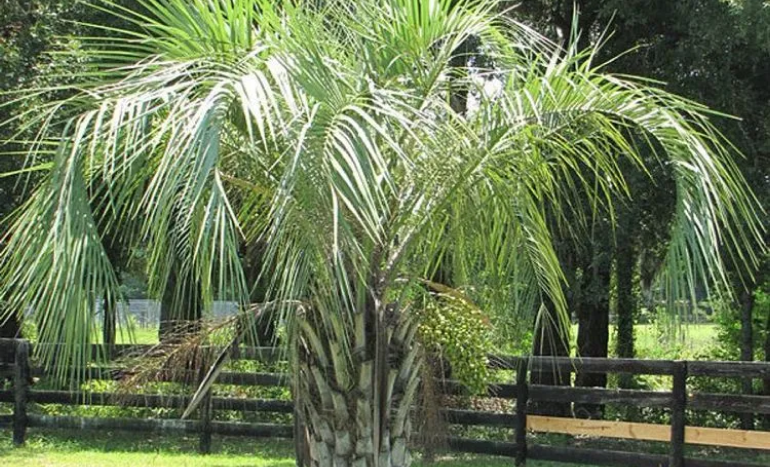
Understanding the Jelly Palm Tree
Scientific Classification
Growing Conditions
- Climate: Jelly Palms thrive in USDA hardiness zones 8-11. They prefer warm, humid climates but can tolerate occasional cold snaps.
- Soil: Well-draining soil is crucial. The tree prefers sandy or loamy soil with a pH between 6.0 and 8.0. Avoid heavy clay soils that retain water.
- Sunlight: Full sun is ideal for optimal growth. However, Jelly Palms can tolerate partial shade, especially in hotter climates.
- Watering: While the Jelly Palm is drought-tolerant, consistent watering during its early growth stages is essential. Once established, the tree requires less frequent watering.
Planting Your Jelly Palm Tree
- Selecting the Right Location: Choose a spot that receives full sun and has well-draining soil.
- Preparing the Soil: Amend the soil with organic matter to improve drainage and nutrient content.
- Planting: Dig a hole twice the width of the root ball and just as deep. Place the tree in the hole, ensuring that the top of the root ball is level with the soil surface. Fill in with soil and water thoroughly.
- Mulching: Apply a layer of mulch around the base of the tree to retain moisture and suppress weeds.
Care and Maintenance
- Fertilization: Use a balanced fertilizer during the growing season (spring and summer) to promote healthy growth.
- Pruning: Remove dead or damaged fronds to maintain the tree's appearance and health.
- Pest Management: Jelly Palms are relatively pest-resistant, but keep an eye out for scale insects and spider mites. Use organic insecticidal soap if necessary.
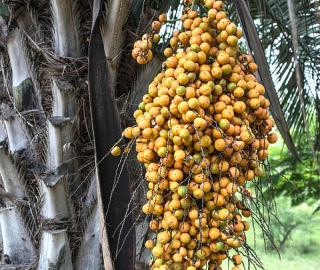
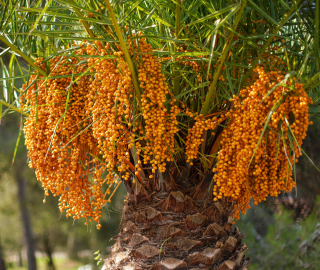
- Harvesting: The fruits, known as jelly fruits, typically ripen in late summer to early fall. They can be harvested when they turn yellow or orange.
Harvesting and Culinary Uses
- Jelly and Jam: The fruits can be cooked down with sugar to create delicious jellies and jams.
- Smoothies: Blend the fruits into smoothies for a tropical twist.
- Salads: Add fresh jelly fruits to salads for a burst of flavor.
- Baking: Incorporate the fruits into cakes and muffins for a unique taste.
Fun Facts About the Jelly Palm Tree
Environmental Impact
- Biodiversity: Jelly Palms provide habitat and food for various wildlife species, including birds and insects.
- Carbon Sequestration: Like all trees, Jelly Palms absorb carbon dioxide, helping to mitigate climate change.
- Soil Erosion Prevention: The root system of the Jelly Palm helps stabilize soil, preventing erosion.
Historical Significance
Grow Billion Trees Partners: Promoting Sustainable Practices
- Community Engagement: Grow Billion Trees Partners work closely with local communities to educate them about the benefits of planting trees like the Jelly Palm. They encourage local participation in reforestation projects.
- Research and Development: The organization invests in research to understand the ecological benefits of planting Jelly Palms and other native species, ensuring that their efforts are grounded in scientific data.
- Partnerships: Collaborating with local governments, NGOs, and environmental organizations, Grow Billion Trees Partners aims to create a network of support for sustainable practices.
- Awareness Campaigns: By promoting the Jelly Palm Tree and its benefits, they raise awareness about the importance of biodiversity and the need for conservation efforts.
Conclusion
FAQ
What is the Jelly Palm Tree?
The Jelly Palm Tree, scientifically known as Butia capitata, is a tropical beauty native to South America. With its feathery fronds and delectable jelly fruits, it's not just a pretty face; it's a gardener's delight and a culinary treasure. Who wouldn't want a tree that looks good and tastes great?
01
How tall does the Jelly Palm Tree grow?
This tropical wonder can reach heights of 15-20 feet, towering over your garden like a palm tree in paradise. Its arching fronds create a lush vibe, making it the perfect centerpiece for any landscape. Just imagine the tropical flair it adds to your backyard!
02
What are the ideal growing conditions for Jelly Palm Trees?
Jelly Palms thrive in USDA hardiness zones 8-11, enjoying warm, humid climates. They prefer well-draining sandy or loamy soil and full sun, but can tolerate some shade. Think of them as the laid-back beachgoers of the plant world, soaking up the sun and looking fabulous!
03
How do you plant a Jelly Palm Tree?
Planting a Jelly Palm is a breeze! Choose a sunny spot with well-draining soil, dig a hole twice the width of the root ball, and plant it level with the soil surface. Finish with some mulch to keep it cozy, and voilà! You're on your way to tropical paradise.
04
What kind of care does a Jelly Palm Tree need?
Once planted, your Jelly Palm will thrive with some TLC. Fertilize during spring and summer, prune damaged fronds, and keep an eye out for pesky pests. Water it consistently when young, and watch it grow into a stunning centerpiece. Easy peasy, right?
05
When do Jelly Palm fruits ripen?
Jelly fruits are ready to party in late summer to early fall, turning a delightful yellow or orange. These little gems are not just tasty; they're packed with nutrients. Get ready to harvest and whip up some delicious jams, smoothies, or salads that will impress your friends!
06
What do Jelly Palm fruits taste like?
Imagine a flavor explosion that combines pineapple and banana—welcome to the world of Jelly Palm fruits! These delightful morsels are not only delicious but also nutritious, making them perfect for a variety of culinary creations. Who knew tropical bliss could fit in your hand?
07
Can Jelly Palm Trees survive cold temperatures?
Yes, indeed! Jelly Palm Trees are the tough cookies of the plant world, able to withstand temperatures as low as 10°F (-12°C) for short periods. Their resilience makes them a popular choice for gardeners in various climates. They're like the adventurers of the plant kingdom, ready for anything!
08
What is the environmental impact of planting Jelly Palm Trees?
Planting Jelly Palms is like giving Mother Nature a high-five! They support biodiversity by providing habitat for wildlife, help sequester carbon to combat climate change, and prevent soil erosion. It's a win-win for your garden and the planet. Who wouldn't want to be an eco-hero?
09
What is the historical significance of the Jelly Palm Tree?
The Jelly Palm has a rich history, cherished by indigenous communities in South America for centuries. It has been a source of food, fiber, and cultural significance. Today, it's celebrated not only for its beauty but also for its contributions to local agriculture. Talk about a tree with stories to tell!
10
How does Grow Billion Trees Partners promote sustainable practices?
Grow Billion Trees Partners are the champions of sustainability! They engage local communities, invest in research, and collaborate with various organizations to promote reforestation and tree planting. By raising awareness about the Jelly Palm and its benefits, they're ensuring a greener future for generations to come. Go team green!
11
Your Suggestions
Leave your message and we'll get back to you shortly.