
Shirish Tree: Unveiling the Ancient Healer and Nature’s Green Miracle for Health and Sustainability
Shirish Tree: Unveiling the Ancient Healer and Nature’s Green Miracle
The Shirish Tree (Albizia lebbeck), often called the "Siris Tree," is a fast-growing deciduous species native to South Asia. Revered for its medicinal properties, ecological contributions, and cultural significance, it has been valued for centuries in Ayurveda and traditional practices.
Scientific Classification
Kingdom: Plantae
Family: Fabaceae
Genus: Albizia
Species: Albizia lebbeck
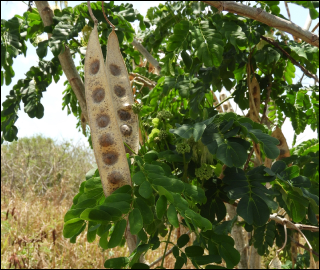
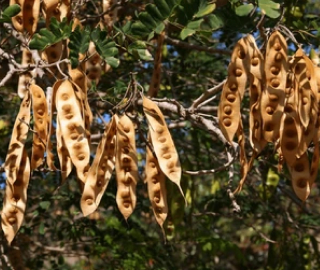
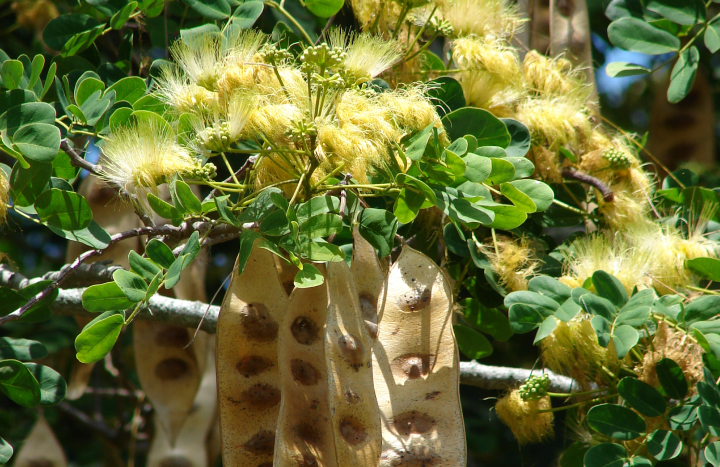
Also known as the "Woman’s Tongue Tree" due to the rattling sound of its pods.
Historical and Cultural Significance
In Ayurvedic texts, the Shirish Tree is called “Vishaghna,” meaning "poison-destroyer." Historically, it has been used for detoxification, respiratory health, and skin treatments. Villagers often planted it near homes for shade and air purification, while its wood was used for furniture and construction.
Medicinal Properties
Nearly every part of the tree—bark, leaves, flowers, and pods—has therapeutic uses. Bioactive compounds such as flavonoids, saponins, and alkaloids make it a staple in traditional medicine.
Key Health Benefits
Detoxification: Helps remove toxins and supports liver health.
Respiratory Relief: Treats asthma, bronchitis, and other respiratory ailments.
Skin Health: Effective for eczema, rashes, and acne.
Anti-inflammatory: Reduces inflammation and pain, aiding arthritis and joint health.
Antimicrobial: Combats bacterial and fungal infections naturally.
Environmental Importance
The Shirish Tree is an environmental champion, providing dense shade, purifying air, enriching soil through nitrogen fixation, supporting biodiversity, and sequestering carbon to combat climate change.
Landscaping and Agroforestry
Its adaptability, rapid growth, and aesthetic appeal make it ideal for landscaping, urban greening, reforestation, and agroforestry. It serves as a shade tree, windbreak, or ornamental addition to parks and gardens.
Planting and Care Tips
Soil: Well-drained sandy or loamy soil; adaptable to poorer soils.
Sunlight: Full sun for optimal growth and flowering.
Watering: Moderate during early growth; drought-tolerant once established.
Pruning: Encourages a healthier canopy and faster growth.
Modern Research and Applications
Modern science is exploring the Shirish Tree’s bioactive compounds for pharmaceuticals, cancer research, pollution control, and natural pesticides, validating its ancient medicinal reputation.
Cultural Symbolism
Symbolizing resilience and purification, the Shirish Tree represents vitality and well-being. Its rattling pods have also been used in folk music as natural percussion instruments.
Conservation and Sustainability
Despite its resilience, deforestation and habitat loss threaten the Shirish Tree. Promoting its planting in urban and rural areas, along with agroforestry practices, helps preserve its ecological and medicinal benefits.
Conclusion
The Shirish Tree (Albizia lebbeck) is a remarkable blend of beauty, utility, and resilience. From Ayurvedic healing to environmental sustainability, it stands as a symbol of nature’s wisdom and generosity, offering benefits for health, ecology, and culture alike.
Shirish Tree: Nature’s Ancient Healer and Green Miracle
The Shirish Tree (Albizia lebbeck), also called the Siris Tree, is an ancient medicinal and ecological marvel. Revered in Ayurveda as “Vishaghna” or the poison-destroyer, this fast-growing deciduous tree has been valued for centuries for its medicinal, environmental, and cultural contributions.
Medicinal Properties
The Shirish Tree is rich in flavonoids, saponins, and alkaloids, making nearly every part—bark, leaves, flowers, and pods—therapeutically valuable. Its uses include detoxification, relief from respiratory ailments, anti-inflammatory treatments, and skin care for acne, eczema, and rashes.
Shirish Tree in Ayurveda
Known as “Vishaghna,” the Shirish Tree has been integral to Ayurvedic therapies for centuries. It aids detoxification, supports respiratory health, and promotes healthy skin, reflecting its long-standing status as a natural healer.
Environmental Contributions
Beyond medicine, the Shirish Tree is an environmental ally. Its dense canopy purifies air, stabilizes soil, enriches it through nitrogen fixation, and provides habitat for birds, bees, and other wildlife.
Agroforestry and Sustainable Farming
Fast-growing and drought-tolerant, this tree enhances soil fertility and acts as a sustainable companion in agroforestry. It improves crop yields while requiring minimal maintenance.
Modern Research Applications
Scientists are investigating its bioactive compounds for anti-cancer potential, natural pesticide formulations, and pollution mitigation, showcasing its relevance in modern medicine and environmental solutions.
Planting and Care Tips
Soil: Thrives in poor, well-drained soils.
Sunlight: Requires full sun for optimal growth.
Watering: Minimal watering needed once established.
The Shirish Tree is revered for resilience and purification. Its rattling pods were historically used as natural percussion instruments in folk music, symbolizing vitality and harmony.
Conservation and Sustainability
With deforestation threatening its existence, planting and preserving the Shirish Tree is crucial to maintaining its medicinal, ecological, and cultural legacy for future generations.
Your Suggestions
Leave your message and we'll get back to you shortly.