

Agroforestry Systems
Agroforestry Systems:
Bridging Agriculture & Ecology for a Greener Future
In the realm of sustainable agriculture, agroforestry systems stand tall, quite literally. Combining the best of both worlds – agriculture and forestry – these systems offer a holistic approach towards land management and cultivation. From improving soil health to enhancing biodiversity, agroforestry holds immense potential for farmers, conservationists, and enthusiasts alike.
Key Insight
In this comprehensive guide, we delve deep into the intricacies of agroforestry systems, exploring their types, importance, development strategies, and much more. So, buckle up as we embark on a green journey through the vibrant world of agroforestry.
About Agroforestry Systems Agroforestry, at its core, is a land-use management system that integrates trees and shrubs with crops and/or livestock in a harmonious symbiotic relationship. Unlike conventional monoculture practices, agroforestry fosters biodiversity while maximizing productivity.
It is a dynamic approach that adapts to varying ecological conditions and socio-economic contexts, making it a versatile solution for sustainable agriculture.
Types of Agroforestry Systems
Definition: Agroforestry can be defined as the intentional integration of trees and shrubs into agricultural landscapes to achieve environmental, economic, and social benefits. It embodies the principles of sustainability by harnessing natural processes and maximizing resource efficiency.
Alley Cropping: Rows of trees or shrubs are planted alongside crops in a mutually beneficial arrangement. The trees provide shade, windbreak, and organic matter, while the crops offer temporary shelter and additional income.
Silvopasture: Integrating trees with livestock grazing lands, silvopasture enhances forage quality, provides shade and shelter for animals, and promotes carbon sequestration.
Forest Gardening: Mimicking natural forest ecosystems, forest gardens combine trees, shrubs, herbs, and crops in layered plantings, creating a self-sustaining and biodiverse food production system.
Windbreaks: Planting trees or shrubs in strategic locations to mitigate wind erosion, protect crops, and improve microclimate conditions.
Important Facts About Agroforestry Systems
- Agroforestry has been practiced for centuries by indigenous communities around the world, showcasing its resilience and effectiveness.
- It contributes to climate change mitigation by sequestering carbon dioxide in trees and enhancing soil carbon storage.
- Agroforestry promotes food security by diversifying crop production and providing alternative sources of income for farmers.
- The United Nations has recognized agroforestry as a key strategy for achieving multiple Sustainable Development Goals (SDGs), including zero hunger, climate action, and biodiversity conservation.
- Geographical Location in India: India, with its diverse agro-climatic zones and rich cultural heritage, provides an ideal setting for agroforestry interventions. From the terraced slopes of the Himalayas to the arid plains of Rajasthan, agroforestry practices are prevalent across the country. States like Kerala, Karnataka, and Madhya Pradesh have pioneered agroforestry initiatives, showcasing the potential for sustainable land management and rural development.
Importance of Agroforestry Systems
- Biodiversity Conservation: Agroforestry promotes habitat diversity, supporting a wide range of plant and animal species. It helps preserve native flora and fauna while creating ecological corridors for wildlife movement.
- Soil Health Improvement: The presence of trees enhances soil structure, fertility, and moisture retention. Agroforestry reduces soil erosion, nutrient leaching, and compaction, thus maintaining long-term soil productivity.
- Climate Resilience: By sequestering carbon dioxide and mitigating greenhouse gas emissions, agroforestry contributes to climate change adaptation and resilience. It helps buffer against extreme weather events, such as droughts and floods, by stabilizing microclimatic conditions.
- Economic Viability: Agroforestry diversifies income streams for farmers, reducing their dependence on a single crop or livestock enterprise. Trees provide valuable products like timber, fruits, nuts, and medicinal plants, generating additional revenue throughout the year.
- Water Resource Management: Trees play a crucial role in regulating water cycles, improving groundwater recharge, and reducing runoff pollution. Agroforestry systems help conserve water resources by optimizing water use efficiency and minimizing irrigation requirements.
Development Strategies for Agroforestry
- Policy Support: Governments need to formulate and implement supportive policies and incentives for agroforestry adoption. This includes financial incentives, technical assistance, and land tenure reforms to facilitate smallholder participation.
- Capacity Building: Training programs and extension services are essential for building the knowledge and skills of farmers, extension workers, and other stakeholders. Education campaigns can raise awareness about the benefits of agroforestry and best management practices.
- Research and Innovation: Continued research is necessary to develop improved agroforestry techniques, tree species, and management models. Collaborative research partnerships between academia, government agencies, and civil society can drive innovation and knowledge sharing.
- Market Access: Strengthening market linkages and value chains for agroforestry products can enhance their competitiveness and profitability. Market incentives, certification schemes, and branding initiatives can help create niche markets for sustainably produced goods.
- Community Engagement: Agroforestry projects should involve local communities in decision-making processes and benefit-sharing mechanisms. Participatory approaches, social safeguards, and inclusive governance structures can foster ownership and ensure equitable distribution of benefits.
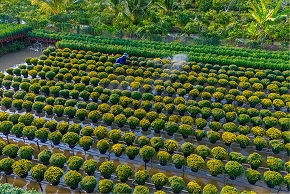
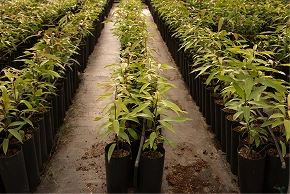
Key Insights for Learning Agroforestry Systems
- Start Small: Begin with pilot projects or demonstration plots to familiarize yourself with agroforestry principles and practices. Experiment with different tree-crop combinations and observe their interactions over time.
- Learn from Local Experts: Tap into the knowledge and experience of farmers, foresters, and indigenous communities who have been practicing agroforestry for generations. Their traditional wisdom and adaptive strategies can offer valuable insights and practical tips.
- Embrace Diversity: Emphasize diversity in your agroforestry designs, selecting a mix of tree species, crop varieties, and livestock breeds. Diversity enhances resilience, reduces pest and disease pressure, and improves ecosystem services.
- Be Patient and Persistent: Agroforestry is a long-term investment that requires patience, dedication, and perseverance. It may take several years for trees to mature and for the full benefits of agroforestry systems to manifest.
- Monitor and Adapt: Regular monitoring and evaluation are essential for assessing the performance of agroforestry systems and identifying areas for improvement. Be open to adaptation and innovation based on feedback from your observations and experiences.
Threats Faced by Agroforestry Systems
- Land Degradation: Deforestation, land conversion, and soil erosion pose significant threats to agroforestry systems, undermining their productivity and sustainability.
- Climate Change: Increasing temperatures, erratic rainfall patterns, and extreme weather events can disrupt agroforestry systems, affecting crop yields, tree growth, and ecosystem dynamics.
- Market Volatility: Fluctuations in market prices, trade policies, and consumer preferences can impact the profitability of agroforestry products, posing risks to farmers' livelihoods.
- Policy Neglect: Inadequate policy support, unclear land tenure arrangements, and conflicting regulations can hinder the adoption and expansion of agroforestry initiatives.
- Invasive Species: The introduction of invasive pests and diseases can threaten the health and resilience of agroforestry ecosystems, requiring timely intervention and management measures.
Conservation of Agroforestry Systems
- Protected Areas: Establishing protected areas and conservation reserves can safeguard agroforestry landscapes, preserving their ecological integrity and biodiversity values.
- Sustainable Management Practices: Promoting sustainable land management practices, such as agroforestry, organic farming, and agroecology, can reduce pressure on natural resources and mitigate environmental degradation.
- Community Empowerment: Engaging local communities in conservation efforts through participatory approaches, community-based monitoring, and livelihood support can foster stewardship and resilience.
- Policy Advocacy: Advocating for supportive policies and regulatory frameworks that recognize the importance of agroforestry and provide incentives for its adoption and scaling up.
- Research and Education: Investing in research, education, and extension services to generate knowledge, raise awareness, and build capacity for agroforestry conservation and sustainable development.
Conclusion
Conclusion In conclusion, agroforestry systems offer a promising pathway towards sustainable agriculture, biodiversity conservation, and rural development. By harnessing the power of trees, crops, and livestock in integrated landscapes, agroforestry holds the key to addressing pressing challenges such as climate change, food insecurity, and environmental degradation.
As we strive towards a greener and more resilient future, let us embrace the wisdom of agroforestry and cultivate a harmonious relationship between humans and nature.
1
Agroforestry Systems
Agroforestry systems integrate trees, crops, and livestock in a sustainable land management approach, offering multiple benefits such as enhanced biodiversity, improved soil fertility, and increased resilience to climate change.
2
Tree-Crop Integration
Tree-crop integration in agroforestry systems involves strategically planting trees alongside crops to optimize land use and productivity. It provides additional income streams for farmers while promoting ecological balance and soil conservation.
3
Livestock Integration
Livestock integration in agroforestry systems involves incorporating grazing animals into tree-based farming practices. Managed grazing helps control weeds, fertilize the soil, and improve overall ecosystem health, leading to increased agricultural productivity.
4
Silvopastoral Systems
Silvopastoral systems combine trees, forage crops, and livestock grazing in a synergistic manner. Trees provide shade and fodder for livestock, while livestock contribute to soil fertility through manure deposition, creating a sustainable and productive agricultural ecosystem.
5
Alley Cropping
Alley cropping is a form of agroforestry where rows of trees are planted between rows of annual crops. This system enhances soil fertility, reduces erosion, and provides additional income opportunities for farmers through the sale of timber, fruit, or fodder.
6
Windbreaks and Shelterbelts
Windbreaks and shelterbelts are vegetative barriers composed of trees and shrubs planted along field edges to protect crops from wind erosion and provide microclimate benefits. These structures improve crop yields, conserve soil moisture, and create habitats for beneficial wildlife.
7
Forest Farming
Forest farming involves cultivating high-value specialty crops, such as mushrooms, medicinal herbs, and ornamental plants, under the canopy of managed forests. This system enhances biodiversity, generates additional income for landowners, and promotes sustainable forest management practices.
8
Agroforestry Benefits
Agroforestry systems offer numerous benefits, including increased agricultural productivity, improved ecosystem services, carbon sequestration, and climate change mitigation. By integrating trees with agricultural practices, agroforestry contributes to food security, environmental sustainability, and rural livelihoods.
9
Traditional Knowledge
Traditional knowledge plays a crucial role in the development and implementation of agroforestry systems, drawing upon indigenous practices and wisdom passed down through generations. Incorporating traditional knowledge enhances the resilience and effectiveness of agroforestry practices in diverse cultural and ecological contexts.
10
Policy Support
Policy support is essential for promoting the adoption of agroforestry systems through incentives, regulations, and capacity-building initiatives. Governments, NGOs, and international organizations play a key role in facilitating research, extension services, and funding opportunities to advance agroforestry as a sustainable land use practice.
 OUR FAQ US
Frequently Asked Questions About Agroforestry
What are Agroforestry Systems?
Agroforestry systems integrate trees and shrubs into agricultural landscapes to create sustainable and multifunctional farming systems. These systems combine the benefits of trees with crops or livestock, providing ecological, economic, and social advantages.
01
How do Agroforestry Systems benefit agriculture?
Agroforestry Systems offer numerous benefits to agriculture. They improve soil fertility and structure, enhance water retention, reduce erosion, and provide shade and windbreaks for crops and livestock. Additionally, they can increase biodiversity, mitigate climate change, and diversify income sources for farmers.
02
What types of Agroforestry Systems are there?
There are various types of Agroforestry Systems, including alley cropping, silvopasture, windbreaks, forest farming, and agroforestry home gardens. Each system has its unique characteristics and benefits, depending on the local climate, soil conditions, and farming objectives.
03
How do Agroforestry Systems contribute to environmental sustainability?
Agroforestry Systems contribute to environmental sustainability by promoting biodiversity, sequestering carbon dioxide, improving soil health, conserving water, and reducing the need for chemical inputs. These systems help restore degraded landscapes, mitigate climate change, and support resilient ecosystems.
04
Are Agroforestry Systems suitable for small-scale farmers?
Yes, Agroforestry Systems are highly suitable for small-scale farmers. They can be adapted to various farm sizes and types, offering smallholders opportunities to enhance productivity, resilience, and sustainability while diversifying income streams and improving livelihoods.
05
What are the economic benefits of Agroforestry Systems?
Agroforestry Systems provide numerous economic benefits to farmers, including increased crop yields, improved livestock productivity, reduced production costs, and diversified income sources from tree products such as timber, fruits, nuts, and medicinal plants. Additionally, agroforestry can create employment opportunities and enhance market access for farmers.
06
How do Agroforestry Systems contribute to climate change adaptation and mitigation?
Agroforestry Systems play a vital role in climate change adaptation and mitigation by sequestering carbon dioxide in trees and soil, reducing greenhouse gas emissions from agriculture, enhancing ecosystem resilience to climate variability, and providing adaptive strategies for farmers facing climate-related challenges.
07
Can Agroforestry Systems be integrated into conventional farming practices?
Yes, Agroforestry Systems can be integrated into conventional farming practices, offering farmers opportunities to enhance sustainability without drastically changing their existing agricultural methods. Agroforestry practices can be implemented gradually, allowing farmers to adapt and innovate according to their specific needs and circumstances.
08
What are the challenges associated with implementing Agroforestry Systems?
Challenges associated with implementing Agroforestry Systems include limited access to resources and technical knowledge, land tenure issues, market constraints for tree products, and the need for supportive policies and incentives. However, these challenges can be addressed through capacity building, research, extension services, and policy support.
09
How can farmers get started with Agroforestry Systems?
Farmers can get started with Agroforestry Systems by conducting site assessments, selecting suitable tree species and crop combinations, planning and designing their agroforestry layouts, obtaining necessary resources and inputs, and implementing their systems with proper management and monitoring. Collaboration with extension services, NGOs, research institutions, and other farmers can also provide valuable support and guidance.
10
Send Your Mail
OUR CONTACT NOW
Determine You Want To Achieve
Relaxing Garden & Functional.
Business tailored design, management & support services. Business agency elit, sed do eiusmod tempor...