
Snowbell Tree: The Enchanting Beauty and Care Guide for Your Garden
Aadusa Tree - Medicinal Plant

Snowbell Tree: The Enchanting Beauty and Care Guide for Your Garden

The Snowbell Tree, known scientifically as Styrax japonicus, is a stunning addition to any garden, celebrated for its enchanting beauty and delicate fragrance. Native to East Asia, particularly Japan, Korea, and China, this deciduous tree thrives in various climates and adds elegance to landscapes.

In this guide, we explore the Snowbell Tree’s features, environmental benefits, historical significance, care tips, and the role of Grow Billion Trees in promoting its planting and conservation.

Enchanting Features

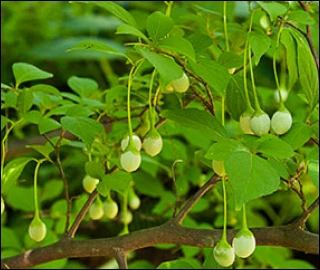
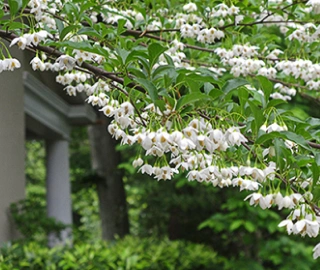
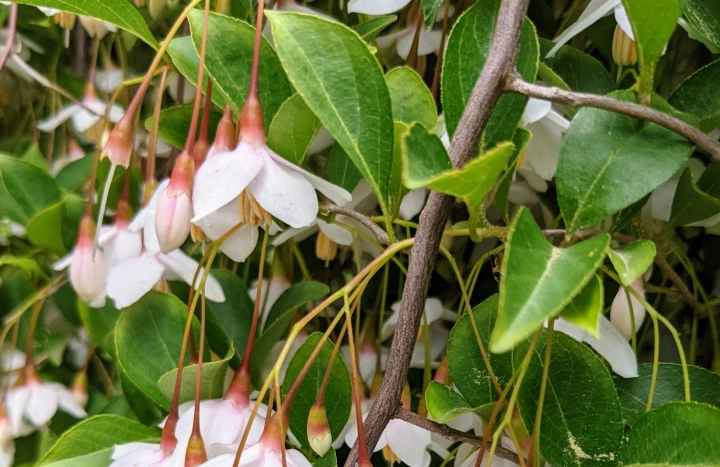
The Snowbell Tree typically grows 15–30 feet tall with a spread of 20–25 feet. Its rounded crown and graceful, drooping branches create an elegant silhouette. Glossy green leaves turn golden yellow in the fall. From late spring to early summer, clusters of delicate, bell-shaped white flowers hang from the branches, emitting a sweet, honey-like fragrance that attracts bees and butterflies. Small brown fruit capsules follow the blooming season, adding year-round visual interest.

Fun Facts

- Often called the "Japanese Snowbell" due to its origins.
- Known as "Shidare-syobun" in Japan, meaning "weeping snowbell."
- Member of the Styracaceae family, which has about 130 species.
- Featured in traditional Japanese gardens, symbolizing purity and tranquility.
- Wood is light and durable, suitable for crafting small items.

Historical Significance

The Snowbell Tree has a rich history in East Asian culture. Its flowers have inspired artists and poets, symbolizing beauty and the transient nature of life. In Japanese gardens, it represents harmony between nature and human creation. Flowers and leaves have been used in traditional medicine for mild remedies.

Environmental Impact

Snowbell Trees contribute to carbon sequestration, absorbing CO₂ to help mitigate climate change. Their fragrant flowers attract pollinators, and the foliage provides shelter for birds and small mammals. By planting Snowbell Trees, gardeners support biodiversity and create healthier ecosystems.

Care Guide

Planting Location: Prefers well-drained soil in full sun to partial shade; allow space for growth.
Soil Requirements: Slightly acidic to neutral (pH 6.0–7.0); amend with compost if necessary.
Watering: Regular watering for young trees; drought-tolerant when established.
Fertilization: Balanced, slow-release fertilizer in early spring.
Pruning: Late winter or early spring; remove dead, damaged, or crossing branches.
Pest and Disease Management: Monitor for aphids, scale insects, and spider mites; use insecticidal soap or neem oil.
Winter Care: Mulch to protect roots; wrap trunk with burlap in harsh winters.

Grow Billion Trees Initiatives

Grow Billion Trees promotes sustainable tree planting, restores ecosystems, and enhances biodiversity. They engage local communities through workshops, resources, and volunteer tree planting events. By selecting native and climate-resilient species like Snowbell, they ensure trees thrive and support local wildlife. Ongoing care guidance ensures the trees grow healthy for years to come.

Conclusion

The Snowbell Tree is a symbol of tranquility, resilience, and environmental stewardship. By following proper care practices and supporting initiatives like Grow Billion Trees, gardeners can enjoy the beauty and ecological benefits of this enchanting tree while contributing to a greener, sustainable future.

Aadusa Tree Leaves - Medicinal Properties
Aadusa Tree Plantation

Snowbell Tree: Care, Features, and Environmental Importance

The Snowbell Tree (Styrax japonicus) is a medium-sized, deciduous tree celebrated for its enchanting beauty, delicate fragrance, and ecological benefits. Its drooping branches, bell-shaped white flowers, and glossy green leaves make it a standout in any garden while supporting local wildlife.

Snowbell Tree Care

Caring for your Snowbell Tree is like nurturing a delicate diva. It prefers well-drained soil and a sunny spot. Water deeply once a week, especially when young, and fertilize in spring. Monitor for pests like aphids or scale insects. With proper care, your Snowbell will reward you with stunning blooms and a sweet fragrance.

Pollinator Magnet

Its bell-shaped flowers and honey-like fragrance attract bees, butterflies, and other pollinators, supporting local biodiversity. Planting Snowbell Trees creates a thriving garden ecosystem, benefiting both wildlife and humans.

Japanese Snowbell

Known as "Shidare-syobun" or "weeping snowbell" in Japan, this tree embodies elegance with graceful, drooping branches. It adds cultural and historical significance to gardens, symbolizing purity and harmony.

Environmental Hero

Snowbell Trees sequester carbon and provide habitat for wildlife, contributing to climate change mitigation. By planting them, you are enhancing your landscape and helping create a healthier planet.

Zen Garden Essential

Perfect for Zen gardens, the Snowbell Tree embodies harmony and balance. Its serene beauty and fragrance create a tranquil space for meditation and relaxation.

Cultural Symbolism

Rich in East Asian symbolism, the Snowbell represents purity and tranquility. Planting one in your garden connects you with centuries of cultural heritage and artistic tradition.

Medicinal Marvel

Flowers and leaves of the Snowbell Tree are believed to have mild medicinal properties, adding an extra layer of intrigue to this ornamental species.

Drought-Tolerant Wonder

Once established, it requires minimal watering, making it ideal for eco-conscious gardeners seeking a low-maintenance yet stunning landscape feature.

Winter Resilience

With mulching and trunk protection, Snowbell Trees can withstand winter cold and bloom beautifully in spring, ensuring year-round garden vitality.

Aesthetic Appeal

Its rounded crown, drooping branches, and fragrant flowers make it a showstopper. Snowbell Trees enhance garden aesthetics and create a focal point admired by all visitors.

Sustainable Gardening

Incorporating Snowbell Trees promotes sustainability, supports local wildlife, and contributes to biodiversity. Every tree planted helps build a greener, healthier ecosystem.

FAQs

What is the Snowbell Tree?

The Snowbell Tree (Styrax japonicus) is a charming deciduous tree native to East Asia, known for its graceful drooping branches and delightful white flowers. It attracts pollinators and adds elegance to any garden.

1

How tall does the Snowbell Tree grow?

It typically reaches 15–30 feet tall with a 20–25 feet spread. Its rounded crown and drooping branches create a stunning silhouette, making it a standout in any landscape.

2

When does the Snowbell Tree bloom?

From late spring to early summer, it produces clusters of delicate, bell-shaped white flowers with a sweet, honey-like fragrance, attracting bees and butterflies.

3

What type of soil does the Snowbell Tree prefer?

Prefers slightly acidic to neutral, well-drained soil (pH 6.0–7.0). Avoid waterlogged soil to prevent root rot.

4

How often should I water the Snowbell Tree?

Water deeply once a week during the first growing season. Once established, it becomes drought-tolerant but benefits from occasional watering during dry spells.

5

What fertilizer should I use for the Snowbell Tree?

Use a balanced, slow-release fertilizer in early spring. Avoid over-fertilization to keep the tree healthy and flowering abundantly.

6

How do I prune the Snowbell Tree?

Prune in late winter or early spring before new growth. Remove dead or damaged branches to improve airflow and encourage blooms.

7

What pests should I watch for on the Snowbell Tree?

Monitor for aphids, scale insects, and spider mites. Treat infestations with insecticidal soap or neem oil as needed.

8

How can I protect the Snowbell Tree in winter?

Apply mulch around the base and wrap the trunk with burlap in very cold regions to protect roots and branches from frost.

9

What is the cultural significance of the Snowbell Tree?

In East Asia, especially Japan, it symbolizes purity and tranquility. Its flowers inspire art and poetry, representing harmony between nature and human creation.

10

How does the Snowbell Tree benefit the environment?

It sequesters carbon, supports pollinators, and provides shelter for birds and small mammals, enhancing biodiversity and creating a healthier garden ecosystem.

11
logo
back top