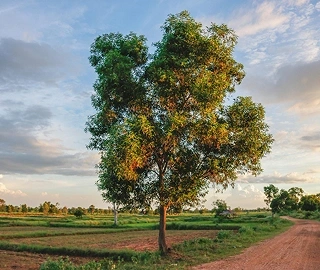

Bakayan Neem Tree: Bitter Healer, Pest Repeller, and Environmental Ally
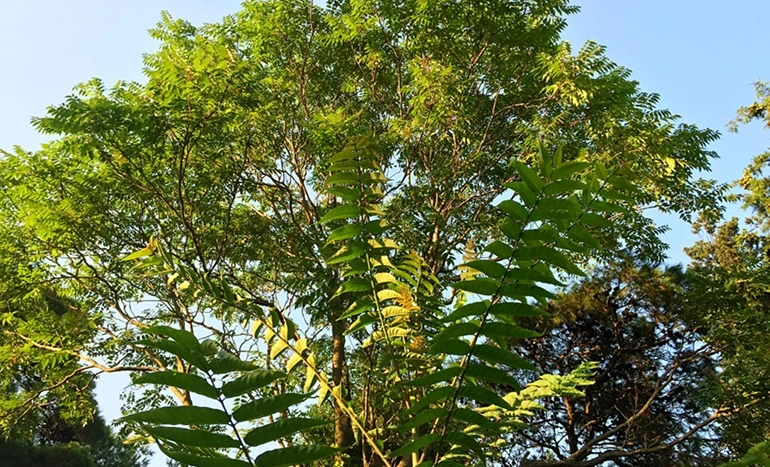
Aadusa Tree - Medicinal Plant

Bakayan Neem Tree: Bitter Healer, Pest Repeller, and Environmental Marvel

The Bakayan Neem Tree, Melia azedarach, commonly known as Persian Lilac or Chinaberry, is a lesser-known relative of the Neem Tree. From traditional medicine to sustainable agriculture, this versatile tree is an asset for human well-being and the environment.

What is the Bakayan Neem Tree?

Belonging to the Meliaceae family, it thrives in tropical and subtropical regions. Known for its lush foliage, fragrant flowers, and medicinal fruits, the Bakayan Neem Tree is prized for adaptability, resilience, and ecological benefits.

Scientific Classification

  • Kingdom: Plantae
  • Family: Meliaceae
  • Genus: Melia
  • Species: Melia azedarach

Physical Characteristics

Height: 12–15 meters (40–50 feet)
Leaves: Compound, fern-like, glossy green
Flowers: Small, lavender/pale purple, fragrant
Fruits: Yellow, bead-like drupes, used for medicinal and pest control purposes

Historical and Cultural Significance

  • Traditional Medicine: Bark, leaves, and fruits used for antibacterial, antifungal, and anti-inflammatory treatments.
  • Spiritual Symbolism: Associated with protection and prosperity, planted near homes and temples.
  • Agricultural Ally: Natural pest-repellent properties protect crops sustainably.

Ecological Importance

  • Natural Pest Control: Seeds and leaves repel pests without chemicals.
  • Soil Enrichment: Leaves improve soil fertility and prevent erosion.
  • Habitat for Wildlife: Foliage and flowers provide shelter and food for birds, bees, and pollinators.
  • Climate Resilience: Drought-tolerant and thrives in poor soils, ideal for reforestation.

Health Benefits and Medicinal Uses

  • Antimicrobial: Effective against bacterial, fungal, and viral infections.
  • Digestive Health: Alleviates constipation and intestinal worms.
  • Skin Care: Treats acne, eczema, and psoriasis with topical application.
  • Respiratory Relief: Decoctions help with coughs, colds, and asthma.
  • Joint & Muscle Pain: Reduces inflammation and arthritis discomfort.
  • Immune Boost: Rich in antioxidants that strengthen immunity.

Fun Facts

  • Fruits used to make beads for rosaries and jewelry.
  • Sometimes invasive if unmanaged in certain regions.
  • Called the “lesser-known Neem” due to similar properties.
  • Low-maintenance and drought-tolerant.
  • Expansive canopy provides shade in hot climates.

Growing and Caring Tips

  • Climate: Tropical/subtropical with moderate rainfall.
  • Soil: Well-drained sandy or loamy; tolerates poor soil.
  • Planting: Use seeds or saplings; provide sunny space for roots and canopy.
  • Maintenance: Minimal watering, pruning for shape, and organic fertilization.

Modern Applications

  • Seeds and leaves for eco-friendly pesticides.
  • Herbal extracts for antimicrobial remedies.
  • Sustainable timber for furniture, flooring, and instruments.
  • Reforestation and soil restoration projects.

Environmental and Economic Impact

  • Supports rural livelihoods through raw materials for medicine, timber, and handicrafts.
  • Promotes sustainable agriculture via natural pest control.
  • Carbon sequestration helps mitigate climate change.

Challenges and Conservation

  • Overharvesting of bark, leaves, and fruits can reduce populations.
  • Rapid growth may make it invasive in some regions.
  • Conservation: Promote sustainable harvesting, cultivation awareness, and controlled planting.

Conclusion

The Bakayan Neem Tree is a versatile marvel with ecological, medicinal, and economic significance. Planting and preserving this tree supports biodiversity, sustainable agriculture, and a healthier environment, making it a hidden gem in the plant kingdom.

Aadusa Tree in Ayurvedic Medicine
Aadusa Tree Environmental Benefits

Bakain Tree Benefits

The Bakain tree is your eco-friendly superhero, offering natural pest control, medicinal properties, and sustainable wood. Versatile, dependable, and good for the planet, it’s nature’s multitool.

  • Natural Pest Control: Repels insects with its natural oils—ideal for organic farming.
  • Medicinal Uses: Leaves, bark, and seeds help treat skin issues, boost immunity, and alleviate inflammation.
  • Growing at Home: Low-maintenance, adaptable to different climates, provides shade and sustainability.
  • Leaves Uses: Medicinal poultices, herbal teas, and natural insect repellents.
  • Sustainable Wood: Durable and eco-friendly for furniture and construction.
  • Ayurveda: Known as “Drek,” treats fevers, infections, and arthritis.
  • Oil Uses: Natural insecticide, skin healer, and hair conditioner.
  • Soil Health: Fallen leaves enrich the soil with nutrients.
  • Seeds: Rich in medicinal oils for remedies.
  • Biodiversity: Attracts birds and beneficial insects, creating a mini-ecosystem.
  • Cultural Significance: Symbol of resilience and harmony with nature.

Bakayan Neem Tree Benefits

The Bakayan Neem tree is a multitasking marvel known for its bitter healing properties, natural pest-repelling abilities, and environmental benefits. It’s nature’s Swiss Army knife in tree form.

  • Medicinal Uses: Bark, leaves, and seeds treat skin conditions, fevers, and infections.
  • Growing Conditions: Hardy and adaptable; thrives in sunny, well-drained soil.
  • Pest Repeller: Natural oils repel pests—perfect for organic farming and gardening.
  • Leaves: Antibacterial and antifungal; used in remedies and composting.
  • Soil Health: Fallen leaves and roots enrich soil naturally.
  • Ayurveda: Detoxifies, boosts immunity, and balances doshas.
  • Seeds: Rich in medicinal oils for skin, hair, and natural pesticides.
  • Climate Resilience: Drought-tolerant and thrives in harsh conditions.
  • Air Purification: Absorbs pollutants and releases oxygen, improving air quality.
  • Cultural Significance: Symbol of protection and healing in folklore and rituals.
  • Eco-Friendly Gardening: Pest-repelling, soil-enriching, and low-maintenance—a sustainable green ally.

FAQs

What is the Bakayan Neem tree and why is it called a bitter healer?

The Bakayan Neem tree is a powerhouse of medicinal and environmental benefits. Its bitter properties make it a natural healer for skin conditions, infections, and fevers, proving that bitterness can be beautiful.

01

How can I grow a Bakayan Neem tree at home?

Plant it in sunny, well-drained soil. Water moderately and let it thrive as a low-maintenance tree with shade, health benefits, and ecological contributions.

02

What are the medicinal uses of the Bakayan Neem tree?

Its bark, leaves, and seeds treat skin issues, fevers, and infections, acting like a natural first-aid kit.

03

How does the Bakayan Neem tree repel pests?

Natural oils and compounds repel pests, offering a chemical-free solution for organic farming and gardening.

04

Can Bakayan Neem trees improve soil health?

Leaves and roots enrich soil fertility naturally, promoting healthier and more sustainable land.

05

What is the role of Bakayan Neem tree leaves in traditional remedies?

Leaves are used to treat infections, wounds, and inflammation—they’re multitasking green gems of this medicinal marvel.

06

Why is the Bakayan Neem tree important in Ayurveda?

It detoxifies the body, boosts immunity, and balances doshas. An ancient remedy for modern wellness.

07

What are the uses of Bakayan Neem seeds?

Seeds are rich in oils for skin care, hair care, and natural pest control—tiny but mighty in benefits.

08

How does the Bakayan Neem tree contribute to climate resilience?

Drought-tolerant and hardy, it thrives in harsh conditions, making it a reliable ally against climate change.

09

Can the Bakayan Neem tree purify air?

Yes! It absorbs pollutants and releases oxygen, acting as a natural air purifier for cleaner surroundings.

10

What is the cultural significance of the Bakayan Neem tree?

It symbolizes healing and protection in traditional rituals and folklore, making it more than just a tree—it’s a cultural icon.

11

Why is the Bakayan Neem tree ideal for eco-friendly gardening?

With pest-repelling, soil-enriching, and low-maintenance qualities, it’s perfect for sustainable, eco-conscious gardens.

12
logo
back top