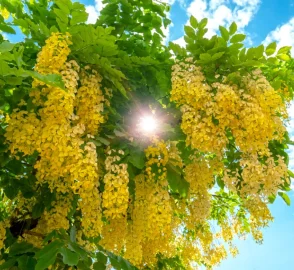


Cassia Tree: Unveiling the Golden Wonders and Healing Secrets of Nature
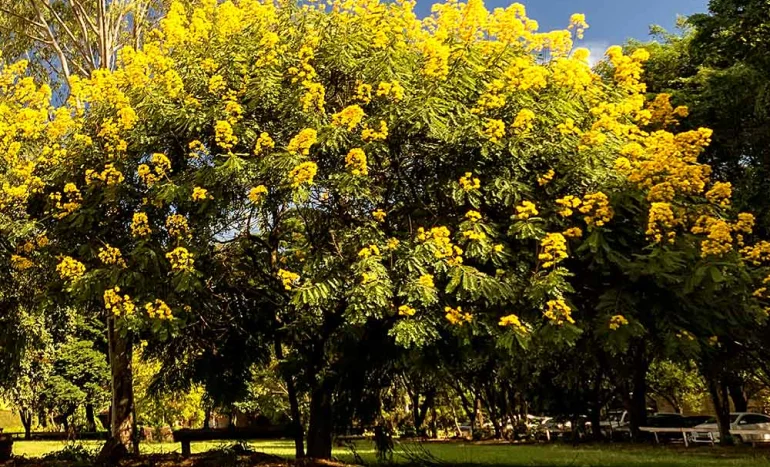
Cassia Tree - Golden Shower Tree

The Cassia Tree, scientifically known as Cassia fistula, is a stunning tree renowned for its golden blooms, medicinal properties, and cultural significance. Commonly called the Golden Shower Tree, it is native to South Asia but admired worldwide for its beauty and benefits. Let's explore the fascinating world of the Cassia Tree, delving into its history, scientific relevance, and ecological impact.

Botanical Profile of Cassia Tree

  • Scientific Name: Cassia fistula
  • Family: Fabaceae
  • Native Region: South Asia
  • Common Names: Golden Shower Tree, Indian Laburnum

What is the Cassia Tree?

The Cassia Tree is a medium-sized deciduous tree that grows up to 20 meters tall. Its hanging clusters of bright yellow flowers create a spectacular display during the summer months. The tree is highly adaptable, thriving in tropical and subtropical climates, and is known for its long, cylindrical pods containing seeds and medicinal pulp.

  • Height: Up to 20 meters (65 feet)
  • Flowers: Bright yellow in hanging clusters
  • Pods: Long, cylindrical containing medicinal pulp
  • Climate: Tropical and subtropical regions
  • Growth Pattern: Deciduous with spreading canopy

Historical and Cultural Significance

The Cassia Tree has been revered in many cultures for centuries. In India, it is considered sacred and is often planted near temples and homes as a symbol of purity and prosperity. The tree's vibrant blossoms are associated with festivals like Vishu and are used in decorations and rituals.

Ancient Ayurvedic texts praise its medicinal uses, referring to it as "Aragvadha," meaning "disease killer." The Cassia Tree is the national tree of Thailand, where it symbolizes unity and prosperity, and its golden flowers are celebrated in cultural traditions across Asia.

Medicinal Properties of the Cassia Tree

The Cassia Tree is a powerhouse of healing properties. Its leaves, flowers, and pulp are rich in bioactive compounds such as flavonoids, saponins, and anthraquinones, offering numerous health benefits.

  • Natural Laxative: Pulp inside pods treats constipation and improves digestion
  • Detoxification: Extracts used to detoxify body and purify blood
  • Anti-inflammatory: Leaves and bark reduce swelling and pain for arthritis
  • Skin Health: Antimicrobial properties treat infections, acne, and wounds
  • Antioxidant Rich: Helps manage oxidative stress in the body

Scientific Backing

Studies published in the Journal of Herbal Medicine confirm the Cassia Tree's laxative, antimicrobial, and anti-inflammatory properties. Research also highlights its potential in managing oxidative stress and treating gastrointestinal disorders, validating its traditional uses in modern scientific contexts.

Environmental Impact

The Cassia Tree is not only a medicinal marvel but also an ecological gem. Its ability to thrive in various soils and climates makes it an essential part of reforestation projects and urban greenery.

  • Soil Stabilization: Roots prevent erosion and improve soil structure
  • Biodiversity Support: Flowers attract bees, butterflies, and birds
  • Air Purification: Absorbs pollutants and releases oxygen
  • Climate Resilience: Adaptable to various environmental conditions
  • Urban Greening: Enhances city landscapes and ecosystems

Fun Facts About Cassia Tree

  • National Symbol: National tree of Thailand, symbolizing unity
  • Golden Nickname: Called "Golden Shower Tree" for cascading yellow blooms
  • Ancient Medicine: Known as "Aragvadha" (disease killer) in Ayurveda
  • Festival Significance: Featured in Vishu and other Asian festivals
  • Cultural Icon: Planted near temples as symbol of purity

Planting and Caring for the Cassia Tree

  • Soil: Thrives in well-drained sandy or loamy soils
  • Sunlight: Requires full sunlight for healthy growth and flowering
  • Watering: Minimal watering needed once established
  • Pruning: Regular pruning ensures well-shaped canopy
  • Maintenance: Drought-tolerant and low-maintenance

Modern Applications

Beyond its traditional uses, the Cassia Tree is gaining recognition in modern industries. Its extracts are being studied for pharmaceutical and skincare applications, while its pulp is used in natural laxatives. The tree's environmental benefits make it a key player in climate resilience and sustainable landscaping projects.

How Grow Billion Trees Promotes Cassia Tree Plantations

Organizations like Grow Billion Trees recognize the immense value of Cassia Trees in sustainable development, promoting their cultivation through various initiatives that combine ecological benefits with community welfare.

  • Urban Greening Projects: Planting Cassia Trees in cities for air purification
  • Medicinal Plant Conservation: Preserving traditional healing resources
  • Community Education: Teaching sustainable cultivation practices
  • Biodiversity Enhancement: Using Cassia in reforestation efforts
  • Cultural Preservation: Maintaining traditional planting near community spaces

Why Plant a Cassia Tree?

  • Medicinal Value: Natural remedy for various health conditions
  • Ecological Benefits: Supports pollinators and improves air quality
  • Cultural Significance: Connects to ancient traditions and symbolism
  • Aesthetic Appeal: Stunning golden blooms enhance landscapes
  • Low Maintenance: Drought-tolerant and easy to care for

Final Thought
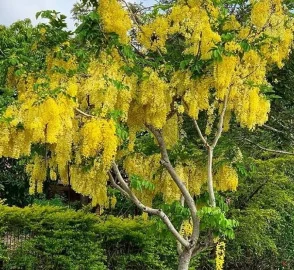
The Cassia Tree is a golden wonder of nature, blending stunning beauty with powerful medicinal properties and ecological brilliance. From its role in traditional medicine to its impact on biodiversity and urban greenery, it remains a timeless symbol of nature's generosity. By celebrating and conserving this remarkable tree, we ensure its legacy continues to inspire, heal, and beautify the world for generations to come.

Cassia Tree Golden Flowers
Cassia Tree Medicinal Pods

Cassia Tree Benefits

The Cassia Tree combines stunning beauty, medicinal brilliance, and ecological contributions, proving that nature's floral treasures come with a golden glow and endless benefits. From its air-purifying qualities to its soil-stabilizing roots, this tree offers a complete package of environmental advantages while treating various health conditions through its natural compounds.

Medicinal Properties of Cassia Tree

Packed with bioactive compounds, the tree's flowers, leaves, and bark treat digestive issues, inflammation, and skin infections, making it a natural healer with golden powers. The pulp inside its pods serves as a gentle yet effective laxative, while its anti-inflammatory properties provide relief for arthritis and joint pain, showcasing nature's pharmacy in its most beautiful form.

Cassia Tree in Traditional Medicine

Revered in Ayurveda, this "disease killer" tree has been used for centuries to detoxify, heal wounds, and promote gut health, showcasing ancient wisdom in every petal. Traditional healers have long utilized its various parts to create remedies that address everything from skin disorders to digestive complaints, proving that sometimes the oldest solutions are the most effective.

Environmental Role of Cassia Tree

From stabilizing soil and supporting biodiversity to purifying air, the Cassia Tree is an eco-warrior disguised as a golden ornament in your backyard. Its extensive root system prevents soil erosion, while its vibrant flowers provide essential nourishment for pollinators, creating a thriving ecosystem wherever it grows and contributing significantly to urban environmental health.

Cassia Tree in Landscaping

With vibrant golden blooms and shade-providing canopies, this tree transforms parks and streetscapes into visual masterpieces while enhancing urban biodiversity. Its low-maintenance nature and drought tolerance make it an ideal choice for public spaces and private gardens alike, offering year-round beauty with its seasonal floral displays and elegant structure.

Cultural Significance of Cassia Tree

Symbolizing unity and prosperity, the Cassia Tree is celebrated in festivals and rituals, bringing a touch of gold to cultural traditions and spiritual practices. As Thailand's national tree and a sacred plant in Indian traditions, it represents the perfect harmony between nature and culture, reminding us of the deep connections between botanical beauty and human heritage.

Modern Applications of Cassia Tree

Its pulp is used in natural laxatives, its extracts in skincare, and its wood in crafts, proving its versatility from health to beauty to creativity. Modern research continues to uncover new applications for this ancient tree, with pharmaceutical companies studying its compounds for potential drug development and cosmetic brands incorporating its extracts into natural beauty products.

Conservation of Cassia Tree

Habitat loss threatens this floral marvel, and conservation efforts ensure its golden blooms, medicinal value, and ecological contributions continue to flourish for generations. Through sustainable cultivation practices, protected natural habitats, and community education initiatives, we can preserve this botanical treasure and maintain its vital role in both ecosystems and traditional healing practices.

FAQ

What is the Cassia Tree?

The Cassia Tree (Cassia fistula) is a stunning deciduous tree famous for its golden blooms, medicinal properties, and ecological benefits.

01

Why is the Cassia Tree called the Golden Shower Tree?

Its cascading clusters of vibrant yellow flowers resemble a golden shower, giving this tree its poetic and popular nickname.

02

What are the medicinal uses of the Cassia Tree?

Its flowers, bark, and pulp are used traditionally to treat constipation, inflammation, and skin infections, making it a golden addition to herbal medicine.

03

How does the Cassia Tree benefit the environment?

It prevents soil erosion, supports pollinators, and purifies air, combining beauty with ecological importance.

04

Can the Cassia Tree grow in urban areas?

Yes, this low-maintenance tree thrives in urban spaces, adding charm with golden blooms while purifying air and supporting local biodiversity.

05

Why is the Cassia Tree culturally significant?

Celebrated in festivals and rituals, the tree symbolizes prosperity, unity, and beauty, holding a revered place in Asian traditions and spirituality.

06

What are the modern applications of the Cassia Tree?

Its pulp is used in laxatives, extracts in skincare products, and wood in crafts, demonstrating its versatility in contemporary industries.

07

Why should we conserve the Cassia Tree?

Habitat loss threatens this floral gem. Conservation ensures its ecological, medicinal, and cultural value continues to benefit future generations.

08
logo
back top