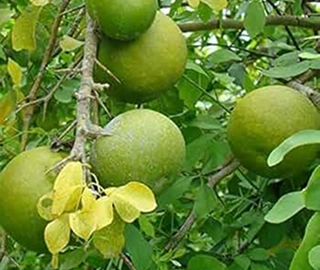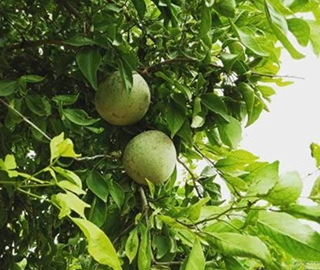

Belpatra Tree: Unveiling Its Sacred Significance, Medicinal Benefits, and Environmental Impact
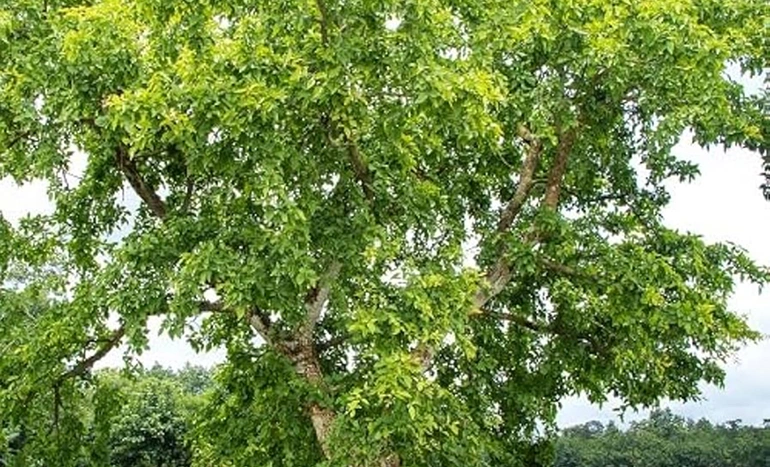
Aadusa Tree - Medicinal Plant

Belpatra Tree: Unveiling Its Sacred Significance, Medicinal Benefits, and Ecological Role

The Belpatra Tree (Aegle marmelos), commonly known as the Bael tree, is a revered plant in Indian culture and a hidden gem in the world of herbal medicine. Associated with spiritual practices and Ayurvedic traditions, it has fascinated people for centuries due to its multifaceted significance.

In this section, we explore its sacred, medicinal, and ecological contributions, supported by scientific studies, cultural history, and sustainable practices.

The Sacred Significance of the Belpatra Tree

The Belpatra tree holds an esteemed place in Hindu mythology. Considered sacred to Lord Shiva, its trifoliate leaves symbolize his three eyes or the holy trinity of Brahma, Vishnu, and Mahesh. During rituals like Rudrabhishek, devotees offer Bel leaves to Shiva as a token of devotion and purification. According to the Skanda Purana, anyone offering Bel leaves to Lord Shiva will be blessed with spiritual merit.

Culturally, the Bel tree represents sanctity and purity. Planted near temples and homes, it wards off negative energies and is integral to festivals like Mahashivratri.

Medicinal Benefits of the Belpatra Tree

Rich in bioactive compounds such as tannins, alkaloids, flavonoids, and essential oils, the Belpatra tree has multiple medicinal uses:

  • Digestive Health: Unripe fruit remedies diarrhea and dysentery; pulp treats constipation.
  • Anti-Diabetic Properties: Leaf extracts lower blood sugar by enhancing insulin secretion.
  • Immunity Booster: Antioxidants in leaves strengthen the immune system and reduce oxidative stress.
  • Respiratory Benefits: Used to treat asthma and bronchitis due to anti-inflammatory essential oils.
  • Skin Health: Antiseptic and antifungal properties help treat eczema and fungal infections.

Fun Fact: In rural India, the Bel fruit is called the "Golden Apple" for its golden-yellow pulp and cooling summer properties.

Historical and Traditional Uses

Mentioned in ancient texts like the Charaka Samhita and Sushruta Samhita, the Bel tree was cultivated for its religious and medicinal importance as early as 2000 BCE. In traditional households, dried leaves served as natural air purifiers, and the fruit pulp was used in remedies for various ailments.

Environmental Impact of the Belpatra Tree

Climate Resilience: Thrives in arid and semi-arid regions, withstands temperatures from -7°C to 48°C, and combats desertification.

Carbon Sequestration: Absorbs CO2 with its dense canopy, mitigating climate change. Mature trees can sequester approximately 20 kg of CO2 per year.

Biodiversity Hotspot: Provides food and shelter for birds, bees, butterflies, and small mammals, enhancing local biodiversity.

Sustainable Agriculture: Integrated into agroforestry systems, Bel trees improve soil fertility, provide shade, and prevent water runoff.

The Belpatra Tree and Modern Science

Research shows the tree’s bark contains compounds with anti-cancer properties, while extracts improve cholesterol levels and cardiovascular health. Its products are increasingly used in herbal supplements, teas, and skincare.

Conservation Challenges

Despite its importance, the Belpatra tree faces threats from deforestation, habitat loss, and overharvesting of leaves. Conservation is essential through sustainable harvesting, plantation drives, and community education.

Fun Facts About the Belpatra Tree

  • Sacred Geometry: Trifoliate leaves represent the three gunas: Sattva, Rajas, Tamas.
  • Longevity: Some trees live over 100 years.
  • Culinary Use: Fruit pulp used to make Bael sherbet, a cooling, detoxifying drink.

How to Grow and Care for a Belpatra Tree

  • Climate: Tropical and subtropical climates.
  • Soil: Well-drained sandy loam.
  • Watering: Moderate watering, especially in the first year.
  • Propagation: From seeds or cuttings.
  • Pest Management: Resistant to most pests and diseases.

Conclusion

The Belpatra Tree is a symbol of spirituality, a cornerstone of traditional medicine, and a champion of environmental sustainability. Planting and preserving it honors cultural heritage and contributes to a greener, healthier planet.

Aadusa Tree Leaves - Medicinal Properties
Aadusa Tree Plantation

Belpatra Tree Uses

From rituals to remedies, the Belpatra Tree (Aegle marmelos) serves up a platter of benefits—spiritual serenity, medicinal marvels, and even shade for those hot summer days.

Belpatra Tree Medicinal Benefits

Packed with anti-inflammatory and detoxifying properties, the Belpatra Tree is like nature’s prescription pad, tackling everything from diabetes to indigestion with ancient wisdom.

Belpatra Tree in Ayurveda

Revered in Ayurveda, this tree is a health maestro, balancing doshas while lending its leaves to cures for fever, pain, and emotional calm.

Belpatra Tree Sacred Significance

A divine favorite, the Belpatra Tree is Lord Shiva’s spiritual companion, gracing temples and pujas with its sacred aura and leaf offerings.

Belpatra Tree Environmental Impact

Beyond rituals, this tree is an eco-warrior, purifying the air, enriching the soil, and providing shelter to countless creatures—a true environmental hero.

Belpatra Tree Leaves

Known as Shiva’s favorite, these trifoliate leaves are not just symbolic—they're medicinal powerhouses used in teas, rituals, and Ayurvedic formulations.

Belpatra Tree Growth Conditions

This low-maintenance wonder thrives in tropical and subtropical zones, loving sunlight and well-drained soil—perfect for beginners and pros alike.

Belpatra Tree Spiritual Importance

A tree with a hotline to the divine, it bridges the earthly and the sacred, making every leaf a spiritual blessing.

Belpatra Tree Cultural Significance

Rooted in Indian traditions, the Belpatra Tree is a symbol of purity, protection, and prosperity, deeply woven into the cultural fabric.

Belpatra Tree Bark

Often overshadowed by its leaves, the bark carries secrets of Ayurvedic healing—from pain relief to detox teas—underrated but invaluable.

Belpatra Tree Fruit

Beyond the leaves lies the hidden gem of fruit, used in herbal concoctions that offer health benefits with a tangy twist.

Belpatra Tree History

With roots in ancient texts and myths, this tree has stood the test of time as a sacred, medicinal, and environmental icon.

FAQs

What is the Belpatra Tree?

The Belpatra Tree, also known as Aegle marmelos, is a sacred plant celebrated for its trifoliate leaves, aromatic fruit, and medicinal properties. A spiritual icon and environmental hero, it bridges ancient traditions with modern benefits.

Why is the Belpatra Tree sacred?

The Belpatra Tree holds a special place in Hinduism, with its trifoliate leaves symbolizing Lord Shiva’s three eyes. Offering these leaves during prayers represents purity, devotion, and spiritual connection.

What are the medicinal benefits of the Belpatra Tree?

The Belpatra Tree is a natural healer, addressing ailments like diabetes, digestive disorders, and respiratory issues. Its leaves, bark, and fruit are packed with antioxidants and healing properties.

How is the Belpatra Tree used in Ayurveda?

Ayurveda reveres the Belpatra Tree, or "Bilva," for its ability to balance doshas, detoxify the body, and treat conditions like fever, inflammation, and stress with holistic care.

What makes Belpatra leaves special?

Belpatra leaves are rich in antioxidants, regulate blood sugar, enhance immunity, and provide calming effects for the mind.

Where can you find the Belpatra Tree?

The Belpatra Tree is native to India and Southeast Asia, thriving in dry forests, plains, and home gardens. Its adaptability makes it ideal for gardeners and farmers.

How does the Belpatra Tree support the environment?

It combats drought, enriches soil, purifies air, and provides habitat for wildlife—a green superhero balancing health and ecology.

Can Belpatra leaves help with diabetes?

Yes, the leaves naturally regulate blood sugar levels and are used in both Ayurveda and modern herbal medicine.

What are the uses of Belpatra fruit?

The fruit aids digestion, boosts immunity, and is used in herbal medicines, refreshing drinks, and jams.

How is the Belpatra Tree significant in rituals?

The trifoliate leaves are sacred offerings to Lord Shiva, symbolizing devotion and spiritual purity in rituals.

Is the Belpatra Tree easy to grow?

The Belpatra Tree is hardy, drought-tolerant, and low-maintenance, thriving with minimal effort in suitable climates.

What role does the Belpatra Tree play in mythology?

Mythology ties the Belpatra Tree to Lord Shiva, believed to have emerged from his sweat. Each leaf carries a story of divinity, making it a living legend.

logo
back top