

Indian Raintree Tree: Unlocking the Secrets of Nature's Majestic Canopy
Indian Raintree Tree

The Indian Raintree, scientifically known as Albizia saman, is a majestic tree that graces the landscapes of India and other tropical regions around the world. With its expansive canopy, vibrant flowers, and ecological significance, the Indian Raintree is not just a tree; it's a vital component of our ecosystem.

Scientific Classification and Characteristics

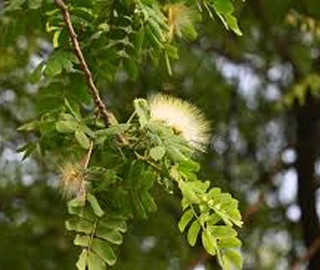
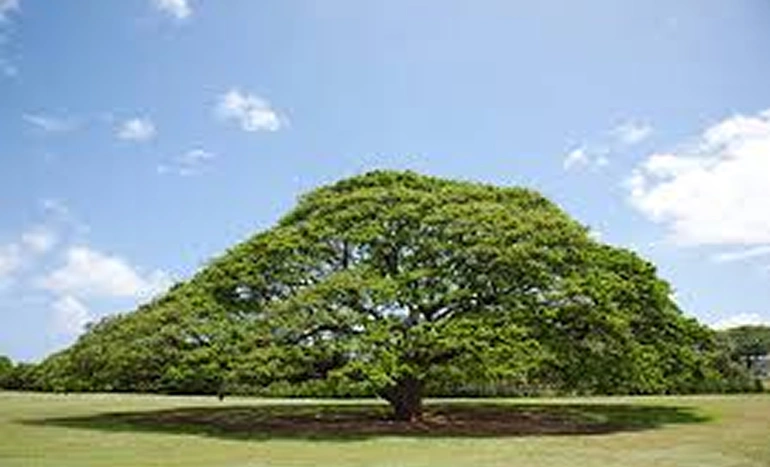
The Indian Raintree belongs to the Fabaceae family, which is known for its diverse group of flowering plants. This tree can grow up to 25 meters tall, with a broad, umbrella-shaped canopy that can extend over 30 meters in diameter. The leaves are bipinnate, meaning they are composed of smaller leaflets arranged on either side of a central stem, creating a feathery appearance.

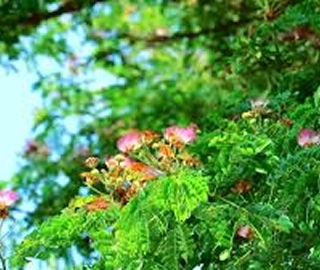
One of the most striking features of the Indian Raintree is its beautiful pink to purple flowers, which bloom in clusters and attract a variety of pollinators, including bees and butterflies. Scientific studies have shown that the Indian Raintree is a nitrogen-fixing species, meaning it has the ability to convert atmospheric nitrogen into a form that plants can use. This unique trait not only enriches the soil but also supports the growth of other plants in its vicinity.

Fun Facts About the Indian Raintree

  • The Indian Raintree is often called the "Rain Tree" because its foliage can create a microclimate that reduces temperature and increases humidity beneath its canopy.
  • Its flowers are not only beautiful but also fragrant, making the tree a popular choice for parks and gardens.
  • The tree is known for its ability to provide shade, making it an ideal spot for picnics and outdoor activities.
  • In some cultures, the Indian Raintree is considered sacred, and its wood is used in traditional rituals and ceremonies.

Historical Significance

The Indian Raintree has a rich history that dates back centuries. Native to the tropical regions of Central and South America, it was introduced to India during the British colonial period in the 19th century. The tree quickly adapted to the Indian climate and became a popular choice for urban landscaping due to its shade and aesthetic appeal.

Historically, the Indian Raintree has been used in traditional medicine. Various parts of the tree, including the bark, leaves, and flowers, have been utilized for their medicinal properties. Research has indicated potential anti-inflammatory, antioxidant, and antimicrobial effects, making it a subject of interest in herbal medicine.

Environmental Impact

The Indian Raintree plays a crucial role in maintaining ecological balance. Its expansive canopy provides habitat and food for various species, contributing to biodiversity. Birds, insects, and small mammals find refuge in its branches, while its flowers attract pollinators, which are essential for the reproduction of many plant species.

Moreover, the tree's nitrogen-fixing ability enhances soil fertility, promoting the growth of other plants in the area. This characteristic is particularly beneficial in degraded or nutrient-poor soils, where the Indian Raintree can help restore ecological health. Its deep root system also aids in preventing soil erosion, making it an important species for maintaining soil stability in hilly or sloped regions.

In urban settings, the Indian Raintree helps mitigate the urban heat island effect by providing shade and cooling the surrounding environment. This can lead to reduced energy consumption for cooling buildings, contributing to a more sustainable urban landscape.

Grow Billion Trees: A Partner in Reforestation

Organizations like Grow Billion Trees are at the forefront of promoting reforestation efforts in India, leveraging the ecological benefits of native species like the Indian Raintree. Their mission is to combat climate change and restore degraded landscapes by planting billions of trees across the country.

Grow Billion Trees partners with local communities, schools, and organizations to execute tree planting projects. Their approach emphasizes community involvement, education, and sustainable practices. By engaging local populations, they ensure that the projects are not only environmentally beneficial but also socially responsible.

The organization conducts workshops and awareness campaigns to educate communities about the importance of trees and their role in combating climate change. They provide training on how to care for the trees, ensuring that the saplings have the best chance of survival. This hands-on approach fosters a sense of ownership among community members, encouraging them to take an active role in the reforestation process.

In collaboration with local governments and environmental organizations, Grow Billion Trees identifies suitable sites for planting Indian Raintrees and other native species. They focus on areas that have been severely deforested or impacted by urbanization, aiming to restore these landscapes to their natural state.

The organization also uses technology to monitor the growth and health of the trees planted. By utilizing satellite imagery and data analytics, they can track the success of their projects and make necessary adjustments to their strategies. This data-driven approach ensures that their efforts are effective and sustainable in the long run.

Conclusion

The Indian Raintree is more than just a beautiful tree; it is a vital part of our ecosystem, providing numerous environmental benefits and supporting biodiversity. Its historical significance and cultural value further enhance its importance in Indian society. As we face the challenges of climate change and environmental degradation, initiatives like Grow Billion Trees play a crucial role in promoting reforestation and restoring our planet's health.

By unlocking the secrets of nature's majestic canopy, we not only honor the Indian Raintree but also take meaningful steps toward a sustainable future. As individuals, we can contribute by supporting reforestation efforts, participating in local tree-planting events, and advocating for the preservation of our natural landscapes. Together, we can ensure that the Indian Raintree and other vital species continue to thrive for generations to come.

In conclusion, the Indian Raintree stands as a symbol of resilience and ecological harmony. Its ability to adapt, thrive, and support life makes it a cornerstone of our natural world. Let us celebrate this magnificent tree and work collectively to protect and restore our environment, ensuring a greener and healthier planet for all.

Indian Cork Fig Fruits
Indian Cork Fig Tree

FAQ

What is the Indian Raintree?

It's not just a pretty face! The Indian Raintree, or Albizia saman, is a towering beauty that can grow up to 25 meters tall, boasting a broad canopy and stunning pink to purple flowers. It's a superstar in the ecosystem, providing shade, habitat, and even improving soil health.

01

Why is it called the "Rain Tree"?

Ah, the magic of its canopy! The Indian Raintree earns its nickname because its lush foliage creates a delightful microclimate beneath, cooling the air and boosting humidity. Perfect for picnics or just lounging, it's like nature's very own air conditioner. Who needs a fan?

02

What are the unique features of the Indian Raintree?

This tree is a multitasker! With its bipinnate leaves, expansive canopy, and fragrant flowers, it's a feast for the senses. Plus, it's a nitrogen-fixing champion, enriching the soil while supporting a variety of plants. Nature's own eco-friendly gardener, if you will!

03

What is the historical significance of the Indian Raintree?

This tree has quite the backstory! Originally from Central and South America, it made its grand entrance into India during the British colonial era. Since then, it has flourished, becoming a beloved choice for urban landscapes and traditional medicine. Talk about a successful adaptation!

04

How does the Indian Raintree benefit the environment?

This tree is an ecological hero! Its expansive canopy provides shelter for birds and insects, while its nitrogen-fixing ability boosts soil fertility. It also combats soil erosion with its deep roots and cools urban areas, helping mitigate the heat island effect. Who knew a tree could do so much?

05

What role does Grow Billion Trees play in reforestation?

Meet the tree champions! Grow Billion Trees is on a mission to plant billions of trees, including our beloved Indian Raintree. They engage local communities, educate, and ensure sustainable practices, making reforestation a team effort. Together, they're tackling climate change one sapling at a time!

06

How do local communities get involved with Grow Billion Trees?

It's all about teamwork! Grow Billion Trees partners with local communities to plant trees and conduct workshops. They provide training on tree care, fostering a sense of ownership and responsibility among community members. It's a grassroots movement for a greener tomorrow!

07

What are some medicinal uses of the Indian Raintree?

Talk about versatility! Various parts of the Indian Raintree, from its bark to its flowers, have been used in traditional medicine for their anti-inflammatory, antioxidant, and antimicrobial properties. It's like having a natural pharmacy in your backyard!

08

Can the Indian Raintree adapt to urban environments?

Absolutely! The Indian Raintree thrives in urban settings, providing shade and cooling the air. Its impressive adaptability makes it a popular choice for city landscaping, helping to create greener, more sustainable urban spaces. It's like having a little piece of nature in the concrete jungle!

09

What is the significance of nitrogen-fixing in the Indian Raintree?

This tree is a soil superhero! Its nitrogen-fixing ability means it can convert atmospheric nitrogen into a usable form for other plants, enriching the soil and promoting growth. It's a natural fertilizer factory, helping restore health to nutrient-poor lands.

10

How can individuals support reforestation efforts?

Join the green revolution! Individuals can support reforestation by participating in local tree-planting events, advocating for tree preservation, and spreading awareness about the importance of trees. Every effort counts in the fight against climate change, so let's roll up our sleeves and get planting!

11
logo
back top