


Mangrove Forests
Mangroves Forests:
Nature's Green Barrier Against Climate Change
Welcome, fellow nature enthusiasts and budding ecologists, to the intriguing world of mangrove forests – where the land meets the sea in a captivating dance of biodiversity and resilience. In this detailed guide, we embark on an expedition to uncover the wonders of mangroves, exploring their types, importance, development strategies, threats faced, and conservation efforts. So, grab your magnifying glass and prepare for an adventure through the tangled roots and salty waters of mangrove ecosystems!
Key Insight
About Mangrove Forests: Nature's Coastal Marvels Mangrove forests are coastal ecosystems found in tropical and subtropical regions around the world. These unique habitats are characterized by the presence of salt-tolerant trees, shrubs, and other vegetation that thrive in the challenging intertidal zone where land and sea converge.
Types of Mangroves: A Diverse Cast of Characters
Definition: Mangroves are often referred to as "nature's nurseries" due to their role as breeding grounds and habitats for a diverse array of marine and terrestrial species. These coastal forests provide vital ecosystem services, including coastal protection, carbon sequestration, and support for fisheries and biodiversity.
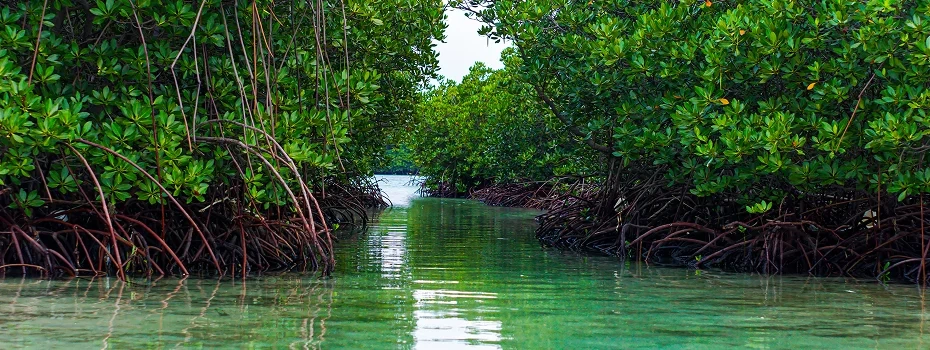
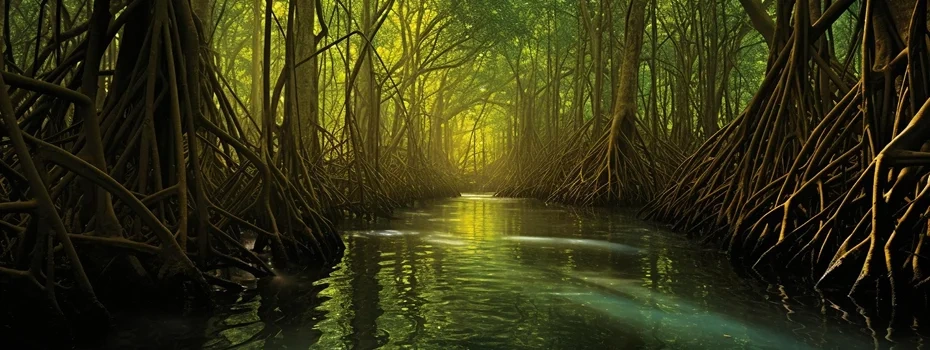
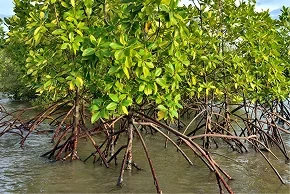
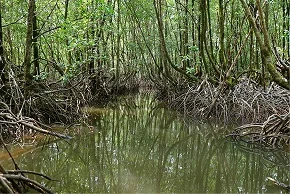
Red Mangroves (Rhizophora spp.): Known for their distinctive prop roots that anchor them in the muddy substrate, red mangroves are pioneers of the intertidal zone, with their aerial roots providing habitat for various marine organisms.
Black Mangroves (Avicennia spp.): Black mangroves are recognized by their pneumatophores – specialized root structures that protrude above the soil surface, facilitating gas exchange in waterlogged conditions.
White Mangroves (Laguncularia spp.): White mangroves are characterized by their glossy leaves and salt-excreting glands, which enable them to tolerate high levels of salinity.
Important Facts About Mangrove Forests
- Biodiversity Hotspots: Mangrove forests are biodiversity hotspots, hosting a wide variety of plant and animal species. From mangrove trees and mangrove crabs to migratory birds and marine mammals, these ecosystems are bustling hubs of life.
- Carbon Sequestration Powerhouses: Despite covering less than 1% of the Earth's surface, mangrove forests are incredibly effective at sequestering carbon dioxide from the atmosphere. The dense vegetation and waterlogged soils of mangroves store vast amounts of carbon, making them essential allies in the fight against climate change.
- Coastal Protection Champions: With their intricate root systems and dense foliage, mangroves act as natural buffers against coastal erosion, storm surges, and tsunamis. These resilient forests provide invaluable protection to coastal communities and infrastructure, reducing the risk of damage from extreme weather events.
Geographical Location of Mangrove Forests in India: In India, mangrove forests are found along the extensive coastline, spanning states such as Gujarat, Maharashtra, Goa, Karnataka, Kerala, Tamil Nadu, Andhra Pradesh, Odisha, West Bengal, and the Andaman and Nicobar Islands. These coastal gems are not only biodiverse havens but also vital sources of livelihood and cultural significance for coastal communities.
Importance of Mangrove Forests
- Biodiversity Conservation: Mangroves provide habitat for a diverse array of plant and animal species, including many endangered and endemic species. By preserving mangrove forests, we protect biodiversity and ensure the resilience of coastal ecosystems.
- Coastal Protection: Mangroves act as natural barriers against coastal erosion, storm surges, and tsunamis, reducing the risk of damage to coastal communities and infrastructure. Their dense root systems help stabilize sediments and mitigate the impacts of extreme weather events.
- Carbon Sequestration: Mangrove forests are highly effective at sequestering carbon dioxide from the atmosphere, making them valuable allies in the fight against climate change. The dense vegetation and waterlogged soils of mangroves store significant amounts of carbon, helping to mitigate the impacts of greenhouse gas emissions.
Development Strategies for Mangrove Forests
- Site Selection and Preparation: Choose locations with suitable hydrological conditions and minimal pollution for mangrove restoration projects. Prioritize areas where mangrove forests can provide maximum ecological and socio-economic benefits.
- Species Selection and Propagation: Select appropriate mangrove species that are native to the region and well-adapted to local conditions. Utilize sustainable propagation techniques such as seed collection, nursery establishment, and transplantation to enhance forest resilience and biodiversity.
- Community Engagement and Participation: Engage local communities as active partners in mangrove forest development initiatives. Foster collaboration, knowledge exchange, and capacity building to empower communities to take ownership of forest conservation efforts.
- Monitoring and Evaluation: Implement robust monitoring and evaluation protocols to assess the effectiveness of mangrove forest development projects. Track key indicators such as tree survival rates, biodiversity levels, and carbon sequestration rates to measure progress and identify areas for improvement.
Key Insights for Learning Mangrove Forests
- Embrace Diversity: Mangrove forests are complex and diverse ecosystems, so embrace the intricacies and nuances of their ecology. Take the time to learn about the various mangrove species, their unique adaptations, and their interconnected roles within the ecosystem.
- Hands-On Experience: Gain practical insights into mangrove ecology, conservation, and restoration through fieldwork, volunteer opportunities, and community-based projects. Get involved in monitoring activities, habitat restoration efforts, and mangrove planting initiatives to deepen your understanding of these ecosystems.
- Continuous Learning and Adaptation: Stay informed about the latest research findings, best practices, and emerging threats to mangrove forests. Attend workshops, seminars, and conferences to learn from experts in the field and exchange ideas with fellow enthusiasts.
- Collaborate and Network: Build connections with researchers, practitioners, and organizations working on mangrove conservation and restoration. Collaborate on projects, share knowledge and resources, and support each other in efforts to protect and preserve mangrove ecosystems.
Threats Faced by Mangrove Forests
- Deforestation and Degradation: Mangrove forests are often cleared for aquaculture, agriculture, urban development, and infrastructure projects, leading to habitat loss and fragmentation. Deforestation and degradation disrupt ecosystem functions, endanger biodiversity, and compromise the resilience of coastal ecosystems.
- Climate Change Impacts: Rising sea levels, extreme weather events, and ocean acidification linked to climate change pose significant threats to mangrove forests. Increased temperatures and changing precipitation patterns can alter mangrove distribution and growth, leading to habitat loss and reduced resilience to environmental stressors.
- Pollution and Habitat Destruction: Pollution from industrial activities, shipping, and coastal development can degrade mangrove habitats and compromise water quality. Habitat destruction, including dredging, land reclamation, and shoreline modification, further exacerbates the degradation of mangrove ecosystems.
Conservation of Mangrove Forests
- Policy and Governance: Strengthen policy frameworks and governance mechanisms to protect mangrove forests from deforestation, degradation, and unsustainable development. Implement and enforce regulations that promote sustainable land use practices, protect critical habitats, and empower local communities in decision-making processes.
- Community-Based Conservation: Engage local communities as stewards of mangrove ecosystems, providing opportunities for livelihood diversification, capacity building, and alternative income generation. Foster partnerships between government agencies, non-profit organizations, and community groups to develop collaborative management plans and support community-led conservation initiatives.
- Ecosystem-Based Management: Adopt an ecosystem-based approach to mangrove conservation and management, considering the interconnectedness of ecological, social, and economic factors. Integrate traditional knowledge, indigenous practices, and scientific expertise into management strategies to ensure cultural relevance, ecological integrity, and socio-economic sustainability.
- Research and Monitoring: Invest in research and monitoring programs to improve our understanding of mangrove ecology, resilience, and responses to environmental change. Collect baseline data, monitor key indicators, and assess the effectiveness of conservation interventions to inform adaptive management strategies and guide decision-making processes.
Conclusion
Conclusion: As we conclude our expedition through the intricate web of mangrove forests, we are reminded of the vital importance of these coastal ecosystems and the urgent need for their conservation and restoration. Mangrove forests are not only ecological treasures but also invaluable allies in the fight against climate change, coastal erosion, and biodiversity loss.
By understanding the complexities of mangrove ecology, embracing innovative development strategies, and advocating for effective conservation measures, we can ensure the long-term survival of these green guardians of the coast. Let us commit ourselves to the protection and preservation of mangrove forests – for the sake of our planet, our communities, and future generations to come.
So, fellow adventurers, let's continue to navigate the mangrove maze with curiosity, determination, and wit – for the mangroves and for our shared future on this wondrous planet we call home.
Are you ready to leave a lasting legacy for our planet's future? At GrowBillionTrees, we're dedicated to helping you make a real difference through mangrove forest conservation and restoration.
By funding and developing mangrove forest plantations with us, you're not just planting trees – you're creating thriving ecosystems that support biodiversity, protect coastlines, and combat climate change. Your contribution can make a tangible impact on the health of our planet and the well-being of coastal communities around the world.
With our expertise and support, you can turn your vision for mangrove conservation into reality. From project planning and implementation to monitoring and evaluation, we'll be with you every step of the way, ensuring that your efforts are effective, sustainable, and impactful.
So, why wait? Join us in our mission to grow a billion trees – starting with mangroves. Together, we can make a positive difference for the environment and future generations.
Let's grow mangrove forests, one tree at a time.
1
Mangrove Forests Importance
Mangrove forests play a crucial role in coastal ecosystems by providing habitat for diverse plant and animal species, protecting shorelines from erosion, and sequestering carbon dioxide from the atmosphere. These unique ecosystems are also important sources of livelihood for coastal communities, supporting fishing, tourism, and other economic activities. With their ability to adapt to fluctuating salinity levels and tidal conditions, mangrove forests serve as resilient buffers against the impacts of climate change and extreme weather events.
2
Mangrove Forests Conservation
Conservation efforts are essential to protect and preserve mangrove forests for future generations. By implementing measures such as protected area designation, sustainable management practices, and community-based initiatives, we can safeguard these valuable ecosystems from deforestation, pollution, and habitat destruction. Collaboration between governments, non-profit organizations, and local communities is key to ensuring the long-term survival of mangrove forests and the biodiversity they support.
3
Mangrove Forests Species
Mangrove forests are home to a diverse array of plant and animal species uniquely adapted to their saline environment. From iconic mangrove trees like Rhizophora and Avicennia to elusive creatures like mudskippers and mangrove crabs, these ecosystems teem with life. Understanding the ecology and behavior of mangrove species is crucial for effective conservation and restoration efforts, ensuring the resilience and sustainability of mangrove forests for future generations.
4
Mangrove Forests Biodiversity
Mangrove forests are biodiversity hotspots, supporting a rich variety of plant and animal species. From mangrove trees and mangrove crabs to migratory birds and marine mammals, these ecosystems harbor a wealth of biodiversity. Protecting and preserving mangrove biodiversity is essential for maintaining ecosystem health, resilience, and ecological balance in coastal areas.
5
Mangrove Forests Adaptations
Mangrove trees and other vegetation have evolved unique adaptations to survive in the challenging intertidal zone where land and sea meet. Specialized root systems, salt-excreting glands, and pneumatophores are just a few examples of the remarkable adaptations that enable mangrove species to thrive in saline environments. Understanding these adaptations is essential for effective mangrove conservation and restoration efforts.
6
Mangrove Forests Restoration
Restoring degraded mangrove ecosystems is critical for enhancing biodiversity, mitigating climate change, and protecting coastal communities. Through reforestation, habitat enhancement, and community-based initiatives, we can rehabilitate degraded mangrove areas and promote the recovery of ecosystem functions and services. Collaboration between stakeholders and careful planning are essential for successful mangrove restoration projects.
7
Mangrove Forests Threats
Mangrove forests face numerous threats, including deforestation, pollution, coastal development, and climate change. These threats endanger biodiversity, compromise ecosystem services, and threaten the livelihoods of coastal communities. Addressing these threats requires concerted efforts from governments, non-profit organizations, and local communities to implement conservation measures and sustainable management practices.
8
Mangrove Forests Conservation Organizations
Numerous organizations are dedicated to the conservation and protection of mangrove forests worldwide. From grassroots initiatives to international conservation agencies, these organizations play a crucial role in raising awareness, conducting research, and implementing conservation projects to safeguard mangrove ecosystems and the biodiversity they support.
9
Mangrove Forests Benefits
Mangrove forests provide a wide range of benefits to both the environment and human societies. These ecosystems support fisheries, protect coastlines from erosion, sequester carbon dioxide, and provide habitat for diverse plant and animal species. Recognizing and valuing the benefits of mangrove forests is essential for promoting their conservation and sustainable management.
10
Mangrove Forests Climate Change
Mangrove forests are highly vulnerable to the impacts of climate change, including rising sea levels, extreme weather events, and ocean acidification. These impacts threaten the health and resilience of mangrove ecosystems, endangering biodiversity and compromising the services they provide to coastal communities. Mitigating and adapting to climate change is essential for ensuring the long-term survival of mangrove forests and the ecosystems they support.
 OUR FAQ US
Frequently Asked Questions About Mangrove Forests
What are mangrove forests, and why are they important in India?
Mangrove forests are coastal ecosystems characterized by salt-tolerant trees and shrubs that thrive in intertidal zones. In India, these forests are vital for coastal protection, biodiversity conservation, and climate change mitigation. They act as natural barriers against coastal erosion and storm surges, provide habitat for diverse plant and animal species, and sequester carbon dioxide from the atmosphere.
01
Where are mangrove forests located in India?
Mangrove forests in India are found along the extensive coastline, spanning states such as Gujarat, Maharashtra, Goa, Karnataka, Kerala, Tamil Nadu, Andhra Pradesh, Odisha, West Bengal, and the Andaman and Nicobar Islands. These coastal ecosystems are emblematic of India's rich natural heritage and provide essential ecosystem services to coastal communities.
02
How does GrowBillionTrees.com support mangrove forest conservation in India?
At GrowBillionTrees.com, we are committed to supporting mangrove forest conservation in India through funding, advocacy, and community engagement. We collaborate with local partners and stakeholders to identify and implement mangrove restoration projects, mobilize resources for conservation efforts, and raise awareness about the importance of mangrove ecosystems.
03
What are the main threats to mangrove forests in India?
Mangrove forests in India face various threats, including deforestation, pollution, coastal development, and climate change. Unsustainable land use practices, industrial pollution, and habitat destruction endanger the health and resilience of mangrove ecosystems, compromising their ability to provide essential ecosystem services and support biodiversity.
04
How can individuals contribute to mangrove forest conservation in India?
Individuals can contribute to mangrove forest conservation in India by supporting organizations and initiatives dedicated to mangrove conservation, participating in volunteer programs and community-based projects, and advocating for policies and practices that promote sustainable management of coastal ecosystems.
05
What are the benefits of mangrove forest restoration in India?
Restoring mangrove forests in India has numerous benefits, including enhanced coastal protection, improved biodiversity, and increased resilience to climate change. Mangrove restoration projects can help mitigate the impacts of coastal erosion, support fisheries and other livelihoods, and sequester carbon dioxide from the atmosphere, contributing to climate change mitigation efforts.
06
How does climate change impact mangrove forests in India?
Climate change poses significant threats to mangrove forests in India, including rising sea levels, extreme weather events, and ocean acidification. These impacts can disrupt mangrove growth and reproduction, leading to habitat loss, biodiversity decline, and reduced resilience to environmental stressors.
07
What are some successful mangrove conservation projects in India?
India has implemented several successful mangrove conservation projects, including the Sunderbans Mangrove Conservation Project in West Bengal and the Mangrove and Coral Reef Restoration Project in Gujarat. These projects focus on habitat restoration, community engagement, and sustainable management practices to protect and preserve mangrove ecosystems.
08
How do mangrove forests contribute to biodiversity conservation in India?
Mangrove forests in India support a rich array of plant and animal species, including endangered and endemic species. These ecosystems provide critical habitat for marine and terrestrial organisms, including fish, birds, mammals, and invertebrates, contributing to biodiversity conservation and ecological balance in coastal areas.
09
What role do mangrove forests play in supporting coastal communities in India?
Mangrove forests provide essential ecosystem services to coastal communities in India, including coastal protection, fisheries support, and livelihood opportunities. These ecosystems help mitigate the impacts of natural disasters, provide food and income for local residents, and support cultural practices and traditions tied to coastal environments.
10
Send Your Mail
OUR CONTACT NOW
Determine You Want To Achieve
Relaxing Garden & Functional.
Business tailored design, management & support services. Business agency elit, sed do eiusmod tempor...