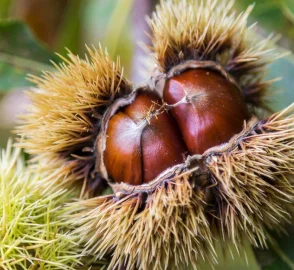


Chinese Chestnut Tree: Unlocking the Secrets to Growing Nature's Delicious Treasure
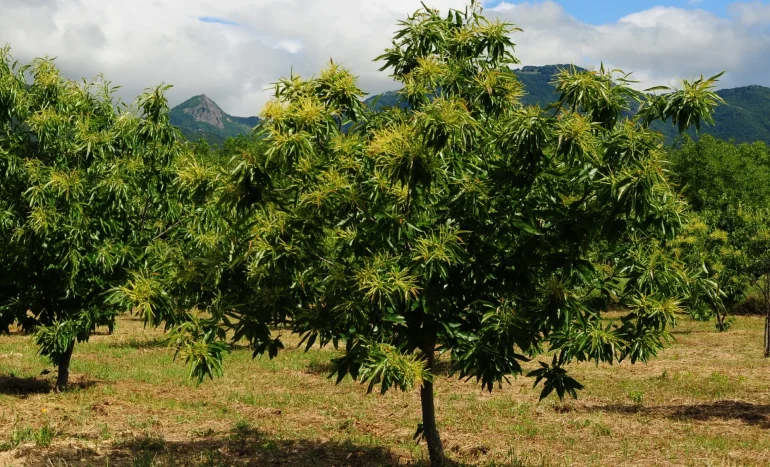
Chinese Chestnut Tree - Nature's Delicious Treasure

Chinese Chestnut Trees (Castanea mollissima) are not just another addition to your garden; they are a treasure trove of ecological benefits, culinary delights, and historical significance. These magnificent trees offer delicious nuts while contributing to environmental sustainability and biodiversity.

Botanical Profile of Chinese Chestnut Tree

  • Scientific Name: Castanea mollissima
  • Family: Fagaceae
  • Native Region: China and East Asia
  • Common Names: Chinese Chestnut

Understanding the Chinese Chestnut Tree

The Chinese Chestnut Tree is a deciduous tree that can grow up to 30 feet tall with a broad, spreading canopy that provides ample shade. The tree produces edible nuts that are not only delicious but also packed with nutrients, being low in fat and high in carbohydrates, vitamins C and B, potassium, magnesium, and phosphorus.

  • Height: Up to 30 feet tall
  • Canopy: Broad and spreading for excellent shade
  • Nuts: Edible, nutritious chestnuts
  • Nutrition: Rich in vitamins and minerals
  • Lifespan: Over 100 years
  • Resistance: Resistant to chestnut blight

Historical Significance

Chinese Chestnuts have been cultivated for thousands of years, with historical records dating back to 2000 BC. They played a vital role in traditional Chinese agriculture and cuisine. The tree was introduced to the United States in the 19th century and has since become popular for both commercial and ornamental planting.

During the Great Depression, chestnuts became a significant food source for many families, providing a nutritious and affordable option. Today, they are increasingly recognized for their potential in sustainable agriculture and reforestation efforts.

Environmental Impact

Chinese Chestnut Trees play a crucial role in promoting biodiversity and mitigating climate change through various ecological benefits that make them valuable for sustainable landscapes.

  • Carbon Sequestration: Absorbs approximately 48 pounds of CO2 per year
  • Wildlife Habitat: Provides food for squirrels, deer, and birds
  • Soil Improvement: Deep roots prevent erosion and improve structure
  • Agroforestry Potential: Enhances agricultural sustainability
  • Biodiversity Support: Creates diverse ecosystems
  • Sustainable Agriculture: Integrates well with crop systems

Fun Facts About Chinese Chestnut Trees

  • Longevity: Can live for over 100 years
  • Disease Resistance: Resistant to chestnut blight
  • Culinary Versatility: Can be roasted, boiled, or used in desserts
  • Cultural Staple: Essential in various Asian cuisines
  • Historical Importance: Cultivated since 2000 BC
  • Nutritional Powerhouse: Rich in vitamins and antioxidants

How Grow Billion Trees Promotes Chinese Chestnut Trees

Organizations like Grow Billion Trees are dedicated to promoting sustainable forestry practices and restoring ecosystems through tree planting initiatives focused on valuable species like the Chinese Chestnut Tree.

  • Community Engagement: Workshops on sustainable agriculture
  • Reforestation Projects: Large-scale planting in deforested areas
  • Research Collaboration: Studying optimal growth practices
  • Awareness Campaigns: Promoting environmental benefits
  • Educational Programs: Teaching cultivation techniques
  • Sustainable Practices: Encouraging eco-friendly agriculture

Why Plant Chinese Chestnut Trees?

  • Nutritional Value: Delicious, healthy nuts
  • Environmental Benefits: Carbon sequestration and soil health
  • Long-term Investment: Lifespan over 100 years
  • Wildlife Support: Food and habitat for animals
  • Agricultural Value: Sustainable crop potential
  • Cultural Heritage: Rich historical significance

Final Thought: Nature's Delicious Treasure
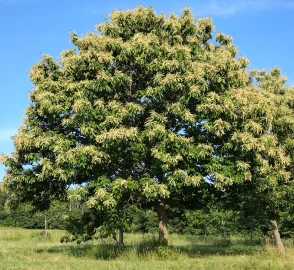
The Chinese Chestnut Tree is more than just a source of delicious nuts; it is a vital component of our ecosystem and a symbol of sustainable agriculture. By understanding how to grow and care for these trees, we can unlock their full potential and contribute to a healthier planet. Whether you're a seasoned gardener or a novice, consider adding a Chinese Chestnut Tree to your landscape and become part of the solution for a greener future.

Chinese Chestnut Tree with Nuts
Chestnut Tree in Landscape

Chinese Chestnut Benefits

Who knew that a tree could be a multitasker? The Chinese Chestnut Tree not only provides delicious nuts but also serves up a platter of ecological benefits. Think of it as nature's Swiss Army knife—offering shade, improving soil health, and creating habitats for wildlife. Plus, those nuts are a nutritional powerhouse, low in fat and high in vitamins. It's like having a health food store right in your backyard!

Growing Chinese Chestnuts

Ready to channel your inner gardener? Growing Chinese Chestnut Trees is like embarking on a culinary adventure! These trees are not just easy on the eyes; they're also low-maintenance once established. With the right site selection, a sprinkle of water, and a dash of fertilizer, you'll be on your way to nurturing a tree that can live over 100 years! Just imagine the stories it could tell!

Chinese Chestnut Culinary Uses

Move over, boring snacks! The Chinese Chestnut is here to elevate your culinary game. Whether roasted, boiled, or blended into desserts, these nuts are the versatile stars of Asian cuisine. They add a delightful crunch to savory dishes and a sweet touch to desserts, making them the culinary equivalent of a chameleon. Who knew a nut could be so fashionable?

Historical Significance of Chestnuts

Time travel alert! The Chinese Chestnut Tree has been a staple of agriculture since 2000 BC. It's like the grandparent of nut trees, with a history that's rich and flavorful. From feeding families during the Great Depression to being a beloved ingredient in Asian dishes, these trees have weathered the ages. They've seen it all and still manage to stand tall—now that's impressive!

Environmental Impact of Chestnuts

Let's talk about eco-warriors! The Chinese Chestnut Tree is not just a pretty face; it's a champion for the environment. By sequestering carbon and providing habitats for wildlife, these trees are nature's superheroes. Their deep roots prevent soil erosion, making them the unsung heroes of sustainable agriculture. Plant one, and you're not just growing a tree; you're cultivating a greener future!

Pest and Disease Management

Don't let pests crash the party! While the Chinese Chestnut Tree is relatively pest-resistant, it still requires a watchful eye. Leaf blight and the infamous chestnut weevil can pose threats, but with a little vigilance and the right treatments, you can keep your tree thriving. Think of it as giving your tree a spa day—just a little TLC to keep it looking fabulous!

Chinese Chestnut Tree Care

Think of tree care as a relationship—commitment is key! Caring for Chinese Chestnut Trees involves regular watering, strategic pruning, and a sprinkle of fertilizer. It's a labor of love that pays off in the form of delicious nuts and a stunning landscape. With a little patience and attention, you'll have a flourishing tree that's the talk of the neighborhood!

Agroforestry with Chestnuts

Ready to mix business with pleasure? Integrating Chinese Chestnut Trees into agricultural systems is like throwing a party where everyone's invited. These trees can provide shade for crops while enriching the soil, making them a win-win for farmers. It's sustainable agriculture at its finest—who knew growing food could be so harmonious?

Community Engagement

Let's get social! Organizations like Grow Billion Trees are all about community engagement when it comes to planting Chinese Chestnut Trees. They're not just planting trees; they're planting seeds of knowledge, teaching locals about sustainable practices. It's a grassroots movement that's as heartwarming as it is impactful—who wouldn't want to be part of that?

Reforestation Projects

The tree-huggers have arrived! Grow Billion Trees is on a mission to restore ecosystems through reforestation projects focused on Chinese Chestnut Trees. They're like the Robin Hoods of the forest, planting trees in deforested areas and helping biodiversity flourish. Join the movement and be a part of the solution—because every tree counts!

Chinese Chestnut Tree Varieties

Variety is the spice of life, and the Chinese Chestnut Tree is no exception! With several varieties available, you can choose the one that best fits your garden's personality. Whether you're after a specific nut flavor or a tree that thrives in your climate, there's a Chinese Chestnut variety just waiting to be your new best friend. Get ready to diversify your garden like a pro!

Planting Guide

The best time to plant Chinese Chestnut Trees is in spring or fall. Dig a hole twice the width of the root ball, ensure proper spacing for mature growth, and water thoroughly. These trees prefer well-drained, loamy soils and full sun exposure. With proper site selection and planting techniques, you'll set your chestnut tree up for a century of growth and nut production!

FAQ

What are Chinese Chestnut Trees?

Chinese Chestnut Trees (Castanea mollissima) are deciduous wonders from East Asia, reaching heights of 30 feet. They offer delicious, nutrient-packed nuts and a broad canopy for shade, making them a delightful addition to any garden.

01

How long do Chinese Chestnut Trees live?

These trees are the Methuselahs of the garden world, boasting lifespans of over 100 years. Plant one today, and you might just leave a legacy of chestnut goodness for generations to come!

02

Are Chinese Chestnut Trees resistant to blight?

Absolutely! Unlike their American counterparts, Chinese Chestnut Trees have a built-in defense against the infamous chestnut blight. They’re like the superheroes of the nut tree world, ready to thrive without the drama.

03

How do you grow Chinese Chestnut Trees?

Growing these majestic trees is a delightful journey! Choose well-drained soil, plant in spring or fall, and give them TLC with regular watering and fertilization. Soon, you’ll be the proud parent of a chestnut tree!

04

What kind of soil do Chinese Chestnut Trees prefer?

These trees love well-drained, loamy soils with a pH of 5.5 to 7.0. Think of it as their Goldilocks zone — just right for happy roots and bountiful nut production!

05

When should I prune my Chinese Chestnut Trees?

Prune in late winter or early spring, before new growth begins. Remove dead branches and thin out crowded ones to let sunlight in — like giving your tree a stylish haircut!

06

What pests affect Chinese Chestnut Trees?

While mostly pest-resistant, watch for leaf blight and chestnut weevils. Regular checks and simple traps can keep these nuisances away, ensuring your tree thrives.

07

What are the environmental benefits of Chinese Chestnut Trees?

These trees are eco-champions! They sequester carbon, provide wildlife habitats, improve soil health, and enhance agricultural productivity — growing one is nurturing the planet!

08

How do Chinese Chestnut Trees contribute to biodiversity?

With their nutrient-rich nuts, these trees provide food for squirrels, deer, and birds, making them vital to the local ecosystem and promoting biodiversity.

09

What is the Grow Billion Trees Initiative?

This initiative promotes sustainable forestry and reforestation projects, focusing on planting Chinese Chestnut Trees, educating communities, and restoring ecosystems for a greener planet.

10

How can I get involved with tree planting?

Join local workshops, volunteer for reforestation projects, or plant a Chinese Chestnut Tree in your yard. Every tree counts in building a greener future!

11
logo
back top