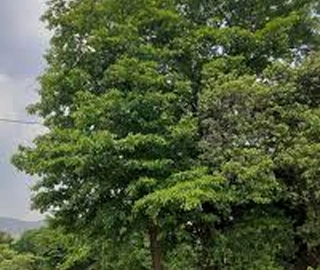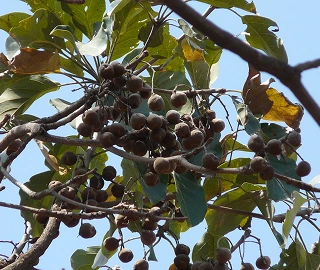

Behada Tree: A Verdant Legacy of Wellness and Reverence
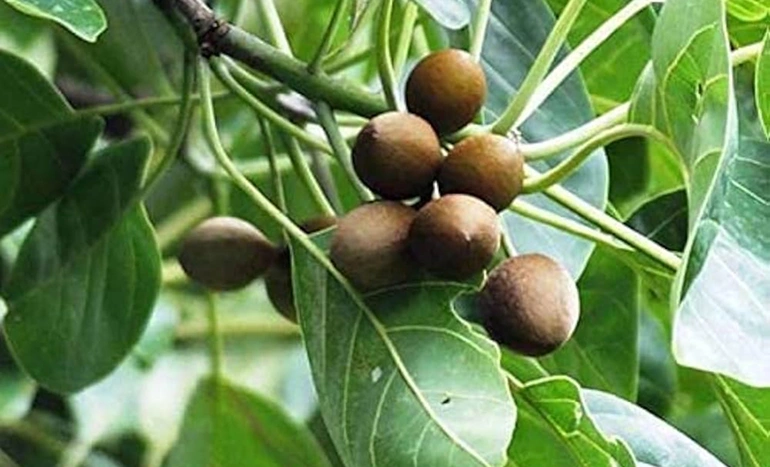
Aadusa Tree - Medicinal Plant

Behada Tree: A Verdant Legacy of Wellness and Reverence

The Behada tree, scientifically known as Terminalia bellirica, is a majestic species native to the Indian subcontinent and Southeast Asia. Revered for its medicinal properties, cultural significance, and ecological value, the Behada tree holds a prominent place in traditional medicine, religious rituals, and sustainable agroforestry practices.

Let's delve into the rich tapestry of uses and benefits offered by the Behada tree.

Botanical Marvel

The Behada tree is a large deciduous tree that can reach heights of up to 30 meters. It boasts a dense crown of foliage with dark green, oval-shaped leaves that provide ample shade. The tree bears small, greenish-yellow fruits known as Behada berries, which are a key component of traditional medicine formulations.

Medicinal Powerhouse

In Ayurveda, the ancient Indian system of medicine, Behada is considered one of the three ingredients of the legendary Triphala formula. The fruits are prized for their potent medicinal properties, including digestive support, respiratory health, and detoxification. Behada berries are also used to promote hair growth, improve eyesight, and enhance overall vitality.

Culinary and Nutritional Value

While primarily used for medicinal purposes, Behada berries also have culinary applications. They are often dried and ground into a powder, which is used as a flavoring agent in various dishes, particularly in pickles and chutneys. Behada powder is rich in antioxidants, vitamins, and minerals, making it a valuable addition to a balanced diet.

Cultural Significance

The Behada tree holds deep cultural significance in Hindu mythology and religious rituals. It is associated with Lord Shiva and is believed to possess divine healing powers. Behada fruits are offered in religious ceremonies, festivals, and traditional rituals as a symbol of purity, auspiciousness, and well-being.

Ecological Role

Behada trees play a vital role in maintaining ecological balance and biodiversity in their native habitats. Their large canopy provides habitat and food for birds, insects, and small mammals. The tree's deep root system helps prevent soil erosion, improve soil fertility, and enhance water retention, contributing to the health of forest ecosystems.

Agroforestry Practices

Behada trees are integral to sustainable agroforestry systems, intercropped with cereals, legumes, and spices. Their shade protects understory crops from excessive sunlight and temperature fluctuations, while fallen leaves provide natural mulch and organic matter, enriching the soil and promoting crop productivity.

Economic Benefits

Behada cultivation offers economic opportunities for rural communities through the sale of fruits, leaves, and other plant parts. The fruits are in high demand in herbal medicine and pharmaceutical industries, driving commercial cultivation and trade. Behada-based products like herbal supplements, teas, and cosmetics have growing domestic and international markets.

Traditional Uses

Every part of the Behada tree has traditional uses in Ayurveda and folk medicine. The bark, leaves, fruits, seeds, and roots are used to prepare herbal formulations, tonics, and remedies. Behada-based preparations treat digestive disorders, respiratory infections, skin conditions, and liver diseases.

Conservation Challenges

Despite its importance, the Behada tree faces challenges such as habitat loss, deforestation, and overharvesting. Unsustainable practices and land-use change threaten natural Behada habitats, leading to population decline and genetic erosion. Conservation efforts are essential for its survival.

Sustainable Management

Adopting sustainable practices is crucial for Behada conservation. This includes promoting agroforestry, habitat restoration, and community-based initiatives. Empowering local communities, raising awareness, and enforcing regulations are key to success.

Community Empowerment

Involving local communities in Behada conservation ensures sustainable outcomes. Providing training, resources, and incentives for sustainable harvesting and cultivation allows communities to become stewards of Behada resources.

Research and Innovation

Investing in research can unlock the full potential of Behada trees for food security, nutrition, and sustainable development. Research on cultivation practices, value-added products, and new markets can generate income and alleviate poverty in rural areas.

Conclusion

The Behada tree is a versatile and invaluable resource contributing to human health, cultural traditions, and environmental sustainability. From medicinal properties to ecological benefits, it embodies the intricate connections between nature, culture, and well-being.

Promoting sustainable management practices, empowering communities, and investing in research ensures the continued prosperity and conservation of the Behada tree for generations to come.

Aadusa Tree Leaves - Medicinal Properties
Aadusa Tree Plantation

Behada Tree Benefits

Discover the numerous benefits of the Behada tree, renowned for its medicinal prowess, ecological significance, and traditional applications in Ayurveda. From promoting digestive health to offering antimicrobial properties, Behada fruits and extracts are valued for their diverse therapeutic effects, making them a cornerstone in herbal medicine practices across Southeast Asia.

Terminalia bellirica

Explore the botanical intricacies of Terminalia bellirica, commonly referred to as the Behada tree. Esteemed for its therapeutic properties and natural habitat preservation, this large deciduous tree native to tropical regions plays a crucial role in supporting biodiversity and ecosystem balance while serving as a vital resource in traditional medicine and cultural practices.

Behada Tree in Ayurveda

The Behada tree holds a prominent position in Ayurvedic herbal formulations aimed at promoting digestive wellness and overall health. Ayurvedic texts extol its virtues in treating a wide range of ailments, including constipation, respiratory disorders, and skin conditions, highlighting its versatility and efficacy in holistic healthcare systems.

Behada Tree Uses

Gain insights into the diverse applications of the Behada tree—from its fruits and leaves utilized in traditional remedies to its sturdy wood employed in construction and craftsmanship. Beyond its medicinal value, Behada wood is prized for durability and aesthetic appeal, finding use in furniture making, carvings, and architectural elements, showcasing the tree's multifaceted utility.

Behada Tree Cultivation

Delve into cultivation techniques and environmental requirements essential for successful growth. Behada trees thrive in warm, subtropical climates with well-drained soil, requiring adequate water and sunlight for optimal growth. Sustainable cultivation practices, including proper spacing and pruning, are essential for maximizing yield while preserving ecosystem integrity.

Behada Tree Conservation

Understand the imperative need for conserving Behada trees and the concerted efforts to safeguard habitats and promote responsible harvesting. Habitat loss, overexploitation, and climate change pose significant threats, underscoring the importance of conservation initiatives aimed at preserving biodiversity and cultural heritage associated with these iconic trees.

Behada Tree Phytochemistry

Explore the intricate chemical composition of Behada fruits, rich in phytochemicals that contribute to antioxidant, anti-inflammatory, and antimicrobial properties. With high tannin, flavonoid, and phenolic content, Behada fruits exhibit potent medicinal properties, making them a valuable resource in modern pharmacology and nutraceutical industries.

Behada Tree Traditional Knowledge

Discover the invaluable traditional knowledge associated with the Behada tree, passed down through generations. Indigenous communities have long relied on Behada for medicinal, cultural, and spiritual purposes, preserving practices that offer insights into sustainable living and harmonious coexistence with nature.

Behada Tree Habitat

Learn about the preferred natural habitats of Behada trees, thriving in tropical and subtropical regions characterized by moist, well-drained soils and ample sunlight. Commonly found in riparian zones, mixed deciduous forests, and hilly terrains, they play a vital role in maintaining ecosystem health and supporting diverse flora and fauna.

Behada Tree Sustainable Practices

Explore sustainable practices for managing and utilizing Behada trees, aimed at ensuring long-term viability and harmonious coexistence with the environment. From promoting agroforestry and community-based resource management to implementing eco-friendly harvesting techniques and value-added processing, sustainable approaches prioritize conservation, socio-economic development, and cultural preservation.

FAQs

What is the Behda tree?

The Behda tree, scientifically known as Terminalia bellirica, is a large deciduous tree native to South and Southeast Asia. It belongs to the Combretaceae family and is renowned for its medicinal properties.

What are the medicinal uses of the Behda tree?

Behda is esteemed in traditional medicine for its diverse therapeutic applications. It is used in treating respiratory conditions, digestive disorders, skin ailments, and as a rejuvenating tonic.

How does Behda benefit the respiratory system?

Behda possesses expectorant properties, making it effective in relieving coughs and congestion. It is used in managing asthma, bronchitis, and other respiratory ailments, promoting clearer breathing.

Can Behda aid in digestion?

Yes, Behda promotes digestive health by regulating bowel movements, alleviating constipation, and improving overall gastrointestinal function.

Is Behda beneficial for skin care?

Behda’s antimicrobial and anti-inflammatory properties make it useful in treating skin conditions such as acne, eczema, and dermatitis.

How does Behda act as a rejuvenating tonic?

Behda enhances vitality, boosts energy levels, and promotes overall well-being when consumed or applied as part of herbal formulations.

What are the active compounds in Behda responsible for its medicinal properties?

Behda contains bioactive compounds such as tannins, flavonoids, lignans, and gallic acid, contributing to its therapeutic efficacy.

How is Behda traditionally consumed?

Behda is consumed as decoctions, powders, or extracts and incorporated into herbal formulations. It can also be used topically in skincare preparations.

Does Behda have any known side effects?

While generally safe, excessive intake may cause digestive discomfort or allergic reactions. Consultation with a healthcare professional is advised, especially for pregnant or nursing women.

Can Behda be used to promote hair health?

Yes, Behda strengthens hair follicles, reduces dandruff, and promotes hair growth when used in hair care products or formulations.

Is Behda environmentally sustainable?

Behda cultivation is sustainable, thrives in various soil types, requires minimal maintenance, and supports biodiversity and ecosystem health.

How long does it take for a Behda tree to mature?

Behda trees typically reach maturity within 10–15 years after planting, depending on environmental conditions and cultivation practices.

What are the geographical regions suitable for Behda cultivation?

Behda trees thrive in subtropical and tropical regions with well-drained soil and ample sunlight. Common countries include India, Nepal, Bangladesh, and Thailand.

Does Behda have any cultural significance?

Behda holds cultural significance in many traditional practices and rituals across South and Southeast Asia and is revered for medicinal and spiritual purposes.

Can Behda be grown in home gardens?

Yes, with sufficient space and proper conditions, Behda can be grown from seeds or saplings in home gardens.

How does Behda contribute to sustainable agriculture?

Behda enriches soil fertility, provides shade for other crops, and contributes to carbon sequestration, supporting sustainable farming practices.

Are there any ongoing research studies on Behda's medicinal properties?

Yes, ongoing research explores Behda's antioxidant properties, anti-inflammatory effects, and potential applications in modern medicine.

Can Behda be used in the prevention or management of chronic diseases?

Emerging evidence suggests Behda may help prevent or manage chronic diseases like diabetes, cardiovascular disorders, and cancer, though further research is needed.

How does Behda compare to other medicinal plants in terms of efficacy?

Behda is comparable to other medicinal plants due to its unique combination of bioactive compounds, offering versatile therapeutic effects and wide-ranging benefits.

Where can one find high-quality Behda products?

High-quality Behda powders, extracts, and formulations are available from reputable herbal retailers, online stores, and certified Ayurvedic pharmacies. Always ensure authenticity before purchase.

logo
back top