

Siris Tree
Siris Tree: Harmonizing Nature and Culture in the Tropics
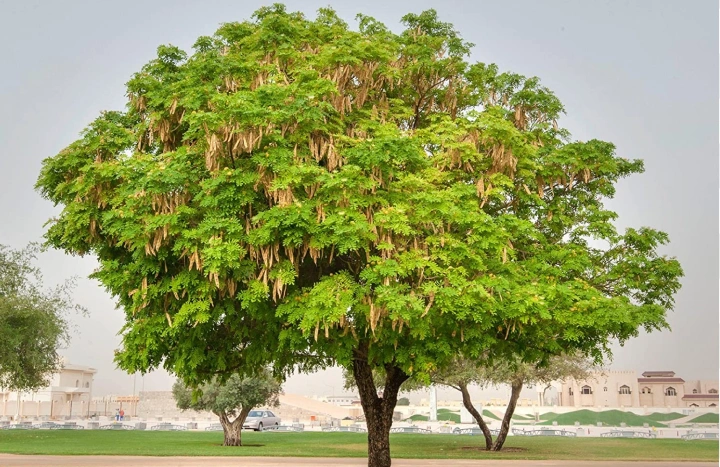
Siris Tree: Harmonizing Nature and Culture in the Tropics
Botanical Overview
- Family: Fabaceae
- Genus: Albizia
- Species: Albizia lebbeck
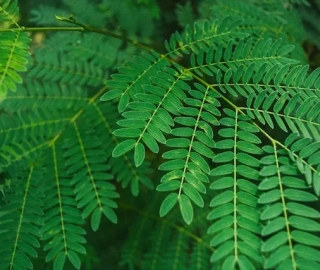
- Type: Deciduous, tall tree with feathery compound leaves
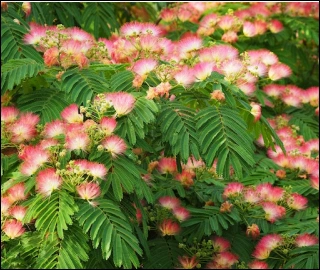
- Flowers: Pink or white, clustered, attracting pollinators
Cultural and Historical Significance
Ecological Role
- Wildlife Habitat: Provides shelter, nesting sites, and food for birds, butterflies, and small mammals.
- Soil Improvement: Deep roots stabilize soil, prevent erosion, enhance water infiltration, and fix nitrogen for improved fertility.
- Shade and Microclimate: Broad canopy provides cooling and refuge in urban and rural landscapes.
Medicinal Benefits
Timber and Woodcraft
Ornamental and Shade Value
Conservation Challenges
Sustainable Management and Traditional Knowledge
Education and Awareness
Conclusion
Siris Tree: Ecology, Uses, and Cultural Significance
Ecological Role
- Provides shade and shelter for wildlife, including birds, insects, and small mammals.
- Enhances soil fertility through nitrogen fixation.
- Stabilizes riverbanks and prevents soil erosion.
Habitat and Growth
Cultivation and Care
Uses
- Timber: Durable wood used for furniture, construction, and handicrafts.
- Medicinal: Bark, leaves, and seeds used in traditional medicine for skin, respiratory, and digestive ailments.
- Ornamental: Attractive foliage and flowers make it ideal for landscaping.
- Agroforestry: Provides shade for crops and enhances soil fertility.
Economic Importance
Conservation and Threats
Cultural and Symbolic Significance
Climate Resilience
Agroforestry and Ecotourism
FAQs
What is a Siris tree?
A Siris tree (Albizia lebbeck) is a deciduous tree native to the Indian subcontinent and Asia, valued for its timber, medicinal properties, and ornamental beauty.
Where are Siris trees typically found?
They are commonly found in tropical and subtropical regions of India, Sri Lanka, Bangladesh, Myanmar, and Thailand, thriving in dry forests, savannas, and riverbanks.
How tall can a Siris tree grow?
Siris trees can grow 15–25 meters tall with a spreading crown and bipinnate leaves, resembling ferns. They reach maturity in 10–15 years under favorable conditions.
What climate do Siris trees prefer?
They thrive in hot, humid climates with well-distributed rainfall (20°C–35°C and over 1000 mm annual rainfall), typical of tropical and subtropical regions.
How are Siris trees propagated?
Primarily through seeds collected from pods, which are germinated in nurseries. They can also be propagated via stem cuttings or air layering.
What are the uses of Siris trees?
They provide durable timber for construction, furniture, and boats. Bark, leaves, and seeds are used in traditional medicine, and the tree has ornamental value.
Are Siris trees resistant to pests and diseases?
Generally resistant, but may be affected by fungal infections like powdery mildew or root rot, and insects like aphids or caterpillars. Proper care prevents issues.
Can Siris trees be grown in urban landscapes?
Yes, they are suitable for gardens, parks, and urban spaces due to their moderate size, attractive foliage, and adaptability to tropical and subtropical climates.
How do Siris trees contribute to soil health?
They fix atmospheric nitrogen via root nodules, enriching soil fertility and structure, which supports the growth of other plants and improves ecosystem health.
Do Siris trees attract wildlife?
Yes, their flowers and fruits attract birds, bees, mammals like squirrels and monkeys, and insects, supporting biodiversity and pollination in the ecosystem.
Can Siris trees tolerate drought?
They are moderately drought-tolerant once established, thanks to deep roots, but prefer regular watering during dry periods for optimal growth.
Your Suggestions
Leave your message and we'll get back to you shortly.