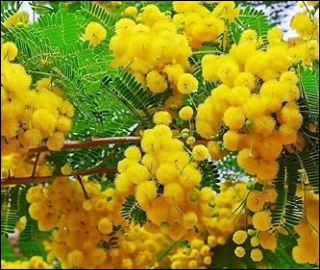

Shailendra Tree: Guardian of Arid Landscapes
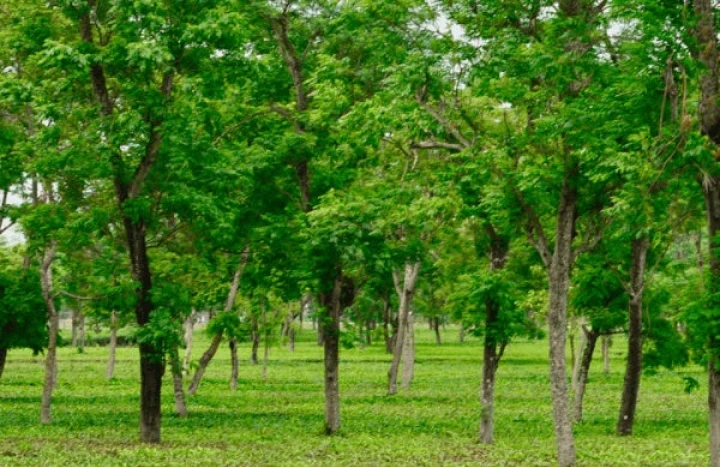
Aadusa Tree - Medicinal Plant

Shailendra Tree: Guardian of Arid Landscapes

In the vast expanse of botanical wonders, the Shailendra Tree, scientifically known as Shorea robusta or Shailendra, stands as a majestic chronicle of cultural heritage and natural grandeur. This magnificent tree, adorned with towering height and lush foliage, not only commands attention with its presence but also holds deep cultural reverence. Join us on a journey through the awe-inspiring realm of the Shailendra Tree, delving into its towering stature, cultural connections, and enduring significance in traditional practices.

Unveiling the Shailendra Tree: A Symbol of Natural Grandeur

The Shailendra Tree, commonly referred to as Shailendra, derives its name from Sanskrit, where "Shaila" means "mountain" and "Indra" refers to the king of gods. This name reflects the tree's association with lofty heights and its revered status in Hindu mythology.

Description: Towering Stature Amidst Verdant Splendor

The Shailendra Tree is a towering giant, reaching impressive heights that soar above the surrounding canopy. Its stout trunk, adorned with rough, furrowed bark, commands attention, while its expansive crown of lush green foliage creates a verdant oasis beneath its shade.

The tree's foliage consists of large, leathery leaves that provide ample shelter from the sun's rays. These leaves are deeply veined and possess a glossy sheen, adding to the tree's regal appearance and botanical allure.

Habitat and Distribution: Flourishing in Subtropical Splendor

Native to the Indian subcontinent, the Shailendra Tree thrives in subtropical climates, where it finds sanctuary in moist, deciduous forests, riverbanks, and lowland areas. It is often found growing alongside other native species, forming integral components of diverse ecosystems.

The Shailendra Tree is distributed across various regions of South Asia, including India, Nepal, Bangladesh, and Sri Lanka. Its adaptability to different soil types and climatic conditions makes it a resilient species capable of thriving in a wide range of environments.

Cultural and Historical Significance: Roots Entwined with Myth and Legend

In Hindu mythology, the Shailendra Tree is associated with Lord Shiva, the god of destruction and transformation. Legend has it that the tree is sacred to Lord Shiva and is often found growing near temples dedicated to the deity, symbolizing divine protection and auspiciousness.

Throughout history, the Shailendra Tree has held a prominent place in cultural and religious ceremonies. Its towering presence and lush foliage make it a popular site for outdoor gatherings, picnics, and religious rituals, where devotees seek solace and blessings under its expansive canopy.

Symbolism and Traditional Practices: Embodying Strength and Stability

The Shailendra Tree symbolizes strength, resilience, and the enduring power of nature. Its towering stature and deep roots serve as a reminder of the stability and permanence found in the natural world, inspiring reverence and awe in all who encounter it.

In addition to its symbolic value, the Shailendra Tree has practical applications in traditional medicine and woodworking. Various parts of the tree, including the bark, resin, and seeds, are used to treat ailments such as inflammation, fever, and digestive disorders, while its wood is prized for its strength and durability in construction and furniture making.

Conservation and Sustainable Practices: Preserving Nature's Grandeur

While the Shailendra Tree is not currently endangered, habitat loss and deforestation pose threats to its long-term survival. Conservation efforts focus on protecting its natural habitats and promoting sustainable land management practices to ensure the continued health and abundance of this botanical treasure.

One way to safeguard the Shailendra Tree is through cultivation and propagation in protected areas, botanical gardens, and reforestation projects. By raising awareness about its cultural significance and ecological importance, individuals and communities can contribute to its conservation efforts.

Conclusion: Celebrating the Cultural Heritage of the Shailendra Tree
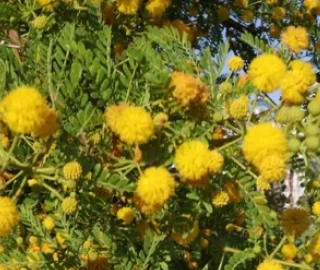
In conclusion, the Shailendra Tree stands as a majestic chronicle of cultural heritage and natural grandeur, embodying the strength and resilience of the natural world. As we marvel at its towering stature and appreciate its cultural connections, let us embrace the Shailendra Tree as a symbol of botanical grandeur and a reminder of the deep-rooted ties between humanity and the awe-inspiring wonders of the natural world.

In honoring the Shailendra, we celebrate not just a botanical marvel but a living embodiment of the cultural heritage and ecological richness that enrich our lives and shape our collective identity.

Aadusa Tree Leaves - Medicinal Properties
Aadusa Tree Plantation

Vachellia nilotica Tree: Nature’s Multifaceted Healer

Explore the multitude of benefits offered by the Vachellia nilotica tree, renowned for its medicinal properties, ecological significance, and cultural importance. From its traditional uses in herbal medicine to its role in supporting biodiversity and ecosystem services, the Vachellia nilotica tree provides a wealth of health benefits, environmental contributions, and cultural values, making it a valuable resource in various domains.

Vachellia nilotica Tree Overview

Delve into the botanical details and cultural significance of Vachellia nilotica, commonly known as the Acacia nilotica or the Nile acacia, revered for its distinctive appearance, medicinal attributes, and socioeconomic value. As a thorny, deciduous tree native to Africa, the Middle East, and the Indian subcontinent, Vachellia nilotica holds a prominent place in traditional medicine, land management, and cultural practices, where it is cherished for its resilience, adaptability, and utility.

Traditional Medicine and Healing Uses

Uncover the therapeutic uses of the Vachellia nilotica tree in traditional healing systems, where it is esteemed for its medicinal bark, gum, pods, and leaves. In various indigenous healing traditions, Vachellia nilotica is utilized to treat a wide range of ailments, including digestive disorders, respiratory conditions, and skin ailments, reflecting its versatility and efficacy in folk medicine practices.

Uses and Applications

Discover the diverse applications of the Vachellia nilotica tree, from its bark and gum used in traditional remedies to its wood, fodder, and environmental uses. Rich in bioactive compounds such as tannins, flavonoids, and alkaloids, Vachellia nilotica extracts exhibit anti-inflammatory, antimicrobial, and antidiabetic properties, while its timber is valued for its durability and resistance to decay, showcasing its multifaceted utility and commercial potential.

Cultivation and Growth

Learn about the cultivation practices and environmental requirements essential for growing Vachellia nilotica trees, vital for sustaining their population and meeting various needs. Vachellia nilotica trees thrive in arid and semi-arid climates with well-drained soil and ample sunlight, requiring minimal water and maintenance once established, highlighting their resilience and suitability for sustainable agroforestry and land restoration practices.

Conservation Efforts

Understand the importance of conserving Vachellia nilotica trees and the efforts aimed at protecting their habitats and genetic diversity. Habitat degradation, deforestation, and overexploitation pose significant threats to Vachellia nilotica tree populations, underscoring the need for conservation initiatives and community-based stewardship to safeguard their ecological integrity and cultural heritage.

Phytochemistry

Explore the chemical composition of Vachellia nilotica bark, gum, pods, and leaves, which contain a variety of bioactive compounds known for their medicinal and nutritional properties. From polyphenols and flavonoids to saponins and glycosides, Vachellia nilotica extracts exhibit diverse pharmacological effects, including antioxidant, anti-inflammatory, and antimalarial activities, making them valuable ingredients in herbal medicine and nutraceutical formulations.

Traditional Knowledge and Cultural Importance

Delve into the traditional wisdom surrounding the Vachellia nilotica tree, passed down through generations in indigenous healing traditions, cultural rituals, and ecological practices. Vachellia nilotica holds a sacred place in African, Middle Eastern, and South Asian cultures, symbolizing resilience, sustenance, and cultural identity, while its medicinal virtues continue to be revered in folk remedies and spiritual ceremonies, showcasing its cultural and ecological significance.

Habitat and Ecology

Explore the natural habitats favored by Vachellia nilotica trees, typically found in arid and semi-arid regions, including savannas, grasslands, and riverine forests. Vachellia nilotica trees play a vital role in ecosystem functioning, providing food and shelter for wildlife, regulating water flow, and enhancing soil fertility, highlighting their ecological importance and contribution to landscape resilience.

Sustainable Practices

Examine sustainable approaches to managing Vachellia nilotica tree resources, emphasizing conservation, community engagement, and ecosystem restoration. From promoting agroforestry and reforestation initiatives to implementing fair trade practices and value-added processing, sustainable strategies aim to balance economic development with environmental stewardship and cultural preservation, ensuring the long-term sustainability of Vachellia nilotica tree populations and their ecological and cultural significance.

FAQs

What is the Shailendra Tree?

The Shailendra Tree, scientifically known as Shorea robusta, is a majestic evergreen tree native to the Indian subcontinent, particularly prevalent in the forests of India and Nepal. Also called the Sal Tree, it holds cultural, religious, and ecological significance.

1

What are the cultural and religious uses of the Shailendra Tree?

The Shailendra Tree is revered in Hinduism and Buddhism for its association with various deities and religious rituals. Its wood is used in temple construction, religious ceremonies, and the production of sacred objects.

2

How does the Shailendra Tree contribute to biodiversity?

The Shailendra Tree plays a vital role in supporting biodiversity by providing habitat, food, and shelter for numerous plant and animal species. Its presence in forest ecosystems enhances ecological balance and promotes species diversity.

3

Can the wood of the Shailendra Tree be used for commercial purposes?

Yes, the wood of the Shailendra Tree is highly valued for its durability, strength, and resistance to decay. It is extensively utilized in the construction industry for making furniture, doors, flooring, and railway sleepers.

4

What are the ecological benefits of the Shailendra Tree?

The Shailendra Tree contributes to ecosystem health by preventing soil erosion, improving soil fertility, and regulating water cycles. Its dense canopy provides shade, conserves moisture, and supports understory vegetation.

5

Is the Shailendra Tree endangered due to overexploitation?

While the Shailendra Tree faces threats from overexploitation, habitat loss, and illegal logging, concerted conservation efforts and sustainable forest management practices are essential to ensure its long-term survival.

6

Can the flowers of the Shailendra Tree be used for medicinal purposes?

Yes, the flowers of the Shailendra Tree have medicinal properties and are used in traditional Ayurvedic medicine to treat various ailments such as diarrhea, dysentery, inflammation, and respiratory disorders.

7

Are there any known cultural rituals associated with the Shailendra Tree?

Yes, the Shailendra Tree is central to various cultural rituals and festivals, particularly in regions where it is abundant. Its leaves, flowers, and wood are used in religious ceremonies, weddings, and community celebrations.

8

How does the Shailendra Tree support sustainable forestry practices?

The Shailendra Tree supports sustainable forestry practices through its regeneration capacity, which enables natural regeneration and afforestation efforts. Sustainable harvesting and reforestation ensure the continued availability of its resources.

9

Can the leaves of the Shailendra Tree be used for medicinal purposes?

Yes, the leaves of the Shailendra Tree have medicinal properties and are used in traditional medicine formulations to alleviate fever, pain, skin conditions, and digestive issues.

10
logo
back top