


Fish Poison Tree
Fish Poison Tree: The Hidden Danger Lurking in Nature's Beauty
Understanding the Fish Poison Tree
Scientific Insights
Historical Context
Environmental Impact
Fun Facts about the Fish Poison Tree
- The Fish Poison Tree is also known by various other names, including the Sea Poison Tree and the Double Coconut Tree.
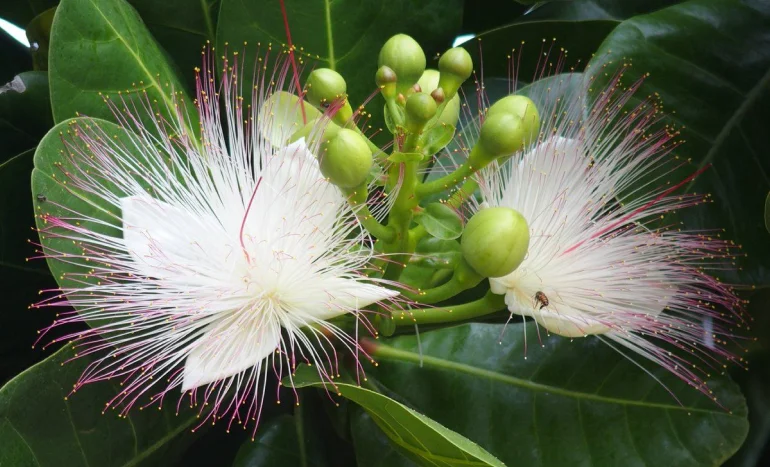
- Its flowers open at night and are pollinated primarily by nocturnal insects, particularly moths.
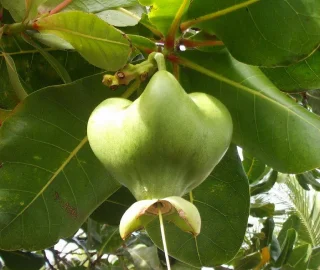
- The seeds of the Fish Poison Tree can float on water for long distances, aiding in their dispersal across coastal regions.
- Despite its toxic nature, the tree is often used in traditional medicine for treating various ailments, although this usage requires caution.
Tree Donate Partners: A Commitment to Sustainability
The Path Forward
In conclusion
Fish Poison Tree Characteristics
Toxic Compounds
Historical Significance
Environmental Impact
Medicinal Properties
Sustainable Practices
Invasive Species Management
Community Engagement
Biodiversity Conservation
Ecological Balance
Future Directions
FAQ
What is the Fish Poison Tree?
The Fish Poison Tree, or Barringtonia asiatica, is a tropical beauty found in coastal areas of the Indo-Pacific. While it dazzles with its glossy leaves and fragrant night-blooming flowers, it hides a toxic secret that can wreak havoc on fish populations and marine ecosystems. Talk about a tree with a dual personality!
01
Where is the Fish Poison Tree found?
This tropical diva thrives in sandy soils along the coasts of India, Sri Lanka, and various Pacific islands. You'll often find it lounging near beaches, mangroves, and estuaries, soaking up the sun while its toxic seeds and leaves await their chance to disrupt the aquatic party.
02
Why is it called the Fish Poison Tree?
The name says it all! This tree's seeds and leaves contain saponins, which can stun or kill fish when introduced into water. Fishermen have long used this method to catch fish easily, proving that even nature has its tricks up its sleeve.
03
What are the toxic compounds in the Fish Poison Tree?
The main culprits are saponins, a group of glycosides that disrupt fish cell membranes. While they can be a fish's worst nightmare, these compounds are also being studied for potential medicinal benefits. Who knew toxicity could have a silver lining, albeit a risky one?
04
How does the Fish Poison Tree impact marine ecosystems?
By reducing fish populations, this tree can throw marine ecosystems into disarray. The cascading effects can disrupt food webs and diminish biodiversity, ultimately affecting coastal communities that rely on fishing. It's a classic case of "one tree's poison is another's peril."
05
What are the historical uses of the Fish Poison Tree?
Indigenous cultures have long embraced the Fish Poison Tree for fishing, food, medicine, and timber. Its flowers are even edible! However, the ethical implications of using it for fishing raise questions about its impact on marine biodiversity. A tree with a history as complex as its biology!
06
Is the Fish Poison Tree an invasive species?
Yes, indeed! This tree can spread rapidly and outcompete native vegetation, leading to ecological imbalances. Its dense root systems can destabilize shorelines, contributing to erosion and habitat loss. It's like the unwelcome guest at a coastal ecosystem party!
07
What are the fun facts about the Fish Poison Tree?
This tree is known by several names, including the Sea Poison Tree. Its flowers bloom at night, attracting nocturnal pollinators. Plus, its buoyant seeds can travel long distances on water, ensuring its legacy continues. Talk about a tree that knows how to make an entrance!
08
How does Tree Donate Partners address the challenges of the Fish Poison Tree?
This organization is on a mission to promote sustainability where the Fish Poison Tree thrives. By focusing on reforestation, biodiversity conservation, and community engagement, they aim to restore ecosystems and mitigate the tree's negative impacts. A true champion for Mother Nature!
09
What strategies does Tree Donate Partners employ?
They collaborate with local communities to raise awareness about biodiversity and sustainable fishing practices. Educational programs inform people about the ecological significance of native flora and fauna, while partnerships with scientists develop strategies for managing invasive species. It's teamwork at its finest!
10
What is the future of the Fish Poison Tree?
While it poses ecological challenges, the Fish Poison Tree reminds us of the complex relationships in our ecosystems. By promoting sustainable practices and engaging communities, we can mitigate its impacts and work toward a balanced future. Let's turn this toxic tale into a story of harmony!
11
How can I get involved in sustainability efforts?
Visit Tree Donate Partners' website to learn about their projects and initiatives aimed at restoring ecological balance. Together, we can be the stewards our planet needs, ensuring that both humans and nature thrive in harmony.
12
Your Suggestions
Leave your message and we'll get back to you shortly.