
Black Ironwood Tree: The Ultimate Guide to Its Remarkable Strength, Unique Features, and Ecological Importance
Aadusa Tree - Medicinal Plant

Black Ironwood Tree: The Ultimate Guide to Its Remarkable Strength

The Black Ironwood tree (Krugiodendron ferreum) is a remarkable species renowned for its exceptional strength and unique features. Native to the tropical regions of the Americas, particularly the Caribbean and parts of Central and South America, this tree has captivated the attention of botanists, ecologists, and woodworkers alike.

In this ultimate guide, we delve into the remarkable strength of the Black Ironwood, its unique characteristics, ecological importance, and how organizations like Grow Billion Trees Partners are actively promoting its growth and conservation.

Remarkable Strength

The Black Ironwood tree is celebrated for its density and strength, making it one of the hardest woods available. With a Janka hardness rating exceeding 3,660 lbf (pounds-force), it is often compared to other hardwoods like oak and maple. This incredible toughness is due to its dense cellular structure, which allows it to withstand significant wear and tear.

Historically, Black Ironwood has been used for tool handles, furniture, and musical instruments. Its resistance to decay and insect damage further enhances its desirability, and its durability makes it ideal for outdoor projects where lesser woods would quickly degrade.

Unique Features

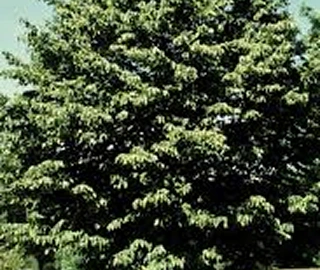
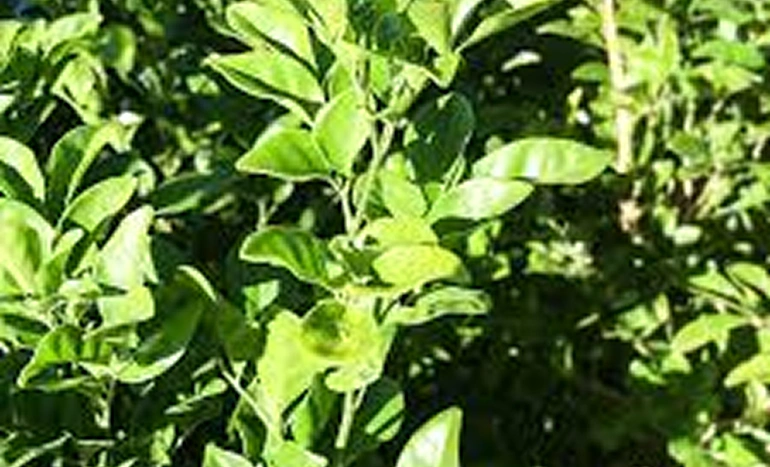
The tree has dark, almost black heartwood contrasted with lighter sapwood, making it highly valued for decorative woodworking, including fine cabinetry and flooring. Black Ironwood can grow up to 30 feet tall, with a trunk diameter of 12–24 inches. Its leathery, glossy leaves provide a lush green canopy, and small, inconspicuous flowers attract pollinators, supporting biodiversity.

Ecological Importance

Black Ironwood plays a crucial role in its ecosystem. As a native species, it supports local wildlife by providing habitat and food sources for birds, insects, and other animals. Its dense foliage helps regulate temperature and humidity, creating a beneficial microhabitat.

Moreover, the tree contributes to soil health. Deep roots prevent soil erosion, and leaf litter enriches the soil with nutrients as it decomposes, maintaining forest health and supporting other plant species.

Historical Significance

Indigenous peoples in the Caribbean and Central America have used Black Ironwood for centuries, crafting tools, weapons, and ceremonial objects. The wood’s strength made it ideal for durable items, while its symbolic value represents resilience and endurance in many cultures.

Environmental Impact

As a keystone species, Black Ironwood supports diverse flora and fauna in tropical ecosystems. It also helps combat climate change by sequestering carbon dioxide from the atmosphere. However, deforestation and habitat loss pose significant threats to its survival.

Grow Billion Trees Partners: Commitment to Conservation

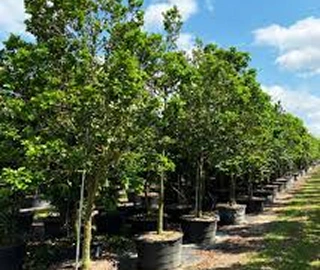
Grow Billion Trees Partners focuses on reforestation and sustainable forestry, with a special emphasis on native species like Black Ironwood. By collaborating with local communities, environmental organizations, and government agencies, they promote awareness, plant seedlings, monitor growth, and encourage sustainable forestry practices.

Fun Facts About Black Ironwood

  • Density Champion: So dense it can sink in water.
  • Long Lifespan: Individuals can live over 100 years in favorable conditions.
  • Fire Resistance: Exhibits some natural fire-resistant properties.
  • Medicinal Uses: Parts of the tree have traditional medicinal applications.
  • Symbol of Strength: Represents resilience and durability across cultures.

Conclusion

The Black Ironwood tree exemplifies strength, resilience, and ecological significance. Supporting reforestation and sustainable forestry ensures its survival for future generations. Whether for woodworking, ecological interest, or cultural appreciation, it stands as a testament to the incredible diversity and resilience of nature.

Join initiatives to protect and promote this extraordinary species. Together, we can ensure that the legacy of the Black Ironwood endures for generations to come.

Aadusa Tree Leaves - Medicinal Properties
Aadusa Tree Plantation

Black Ironwood Tree: The Ultimate Guide to Its Remarkable Strength

The Black Ironwood tree (Krugiodendron ferreum) is a remarkable species renowned for its exceptional strength and unique features. Native to the tropical Americas, particularly the Caribbean and parts of Central and South America, this tree has captivated the attention of botanists, ecologists, and woodworkers alike.

In this guide, we explore Black Ironwood’s remarkable strength, unique coloration, ecological role, historical uses, carbon sequestration, conservation efforts, and fascinating traits that make it a superstar of the forest.

Strength of Black Ironwood

If wood could lift weights, Black Ironwood would be the heavyweight champion of the forest! With a Janka hardness rating that can outmuscle even the toughest hardwoods, this tree's density makes it a go-to choice for tool handles, furniture, and musical instruments. Forget flimsy materials; Black Ironwood is the bouncer of the wood world, ready to take on wear and tear like a pro!

Unique Coloration

Ever seen a tree wear a tuxedo? Black Ironwood’s dark heartwood paired with lighter sapwood is nature’s own fashion statement. This striking contrast turns heads and makes it a favorite among woodworkers and decorators for cabinetry, flooring, and other decorative applications.

Ecological Role

Think of Black Ironwood as the unsung hero of its ecosystem. It provides vital habitat and food for birds, insects, and other wildlife. Its deep roots prevent soil erosion, and its dense foliage helps regulate temperature and humidity. This tree ensures everyone in the forest has a place to call home and a meal to munch on.

Historical Uses

Indigenous peoples have turned to Black Ironwood for centuries, crafting tools and ceremonial objects that stand the test of time. Its strength and durability symbolize resilience and the enduring spirit of the communities that rely on it.

Carbon Sequestration

If trees had a superhero power, carbon sequestration would be Black Ironwood’s claim to fame. By absorbing carbon dioxide, it helps combat climate change with every breath. It’s nature’s air purifier, working tirelessly to keep our atmosphere clean while looking stylish!

Conservation Efforts

Meet the eco-warriors of the tree world—organizations like Grow Billion Trees Partners. They plant and nurture Black Ironwood, engage communities, and promote sustainable practices. It’s not just planting trees; it’s planting hope for a greener future.

Sustainable Forestry

Sustainable forestry practices prioritize the long-term health of forests, ensuring Black Ironwood continues to thrive. It’s about balance—because who wants a world without the beauty and strength of this remarkable species?

Medicinal Uses

Black Ironwood isn’t just a pretty face; its bark and leaves have traditional medicinal uses. While scientific research is still limited, generations have turned to this herbalist of the forest for remedies, connecting people with nature’s pharmacy.

Fire Resistance

When it comes to fire, Black Ironwood isn’t just tough; it’s a daredevil. Its dense wood exhibits fire-resistant properties, making it a valuable resource in fire-prone areas. While other woods might flee, Black Ironwood stands tall.

Longevity

Some Black Ironwood trees live over 100 years, making them the wise elders of the forest. They witness the passage of time while continuing to thrive—a true testament to endurance and longevity.

Community Engagement

Grow Billion Trees Partners turns local communities into tree champions. By raising awareness and fostering stewardship, people come together to make a difference—one tree at a time.

Diversity of Flora and Fauna

Black Ironwood is a VIP lounge for biodiversity. As a keystone species, it supports a rich variety of flora and fauna, creating a vibrant ecosystem where life thrives in harmony.

Conclusion

Black Ironwood exemplifies strength, resilience, and ecological significance. Supporting conservation, reforestation, and sustainable forestry ensures its survival for future generations. Whether for woodworking, ecological interest, or cultural appreciation, Black Ironwood stands as a testament to nature’s remarkable diversity.

Join initiatives to protect and promote this extraordinary species. Together, we can preserve the legacy of Black Ironwood for generations to come.

FAQs

What is the Black Ironwood tree?

The Black Ironwood tree (Krugiodendron ferreum) is a super-strong species from the tropical Americas, boasting remarkable density and resilience. It’s the superhero of the wood world, perfect for furniture, tool handles, and even musical instruments. If wood had a gym, this tree would be the star athlete!

Why is Black Ironwood so strong?

With a Janka hardness rating that can exceed 3,660 lbf, Black Ironwood is tougher than your average hardwood. Its dense cellular structure is like nature’s bodybuilder, allowing it to withstand wear and tear while resisting decay and insect damage. Talk about a wood that can take a hit!

What are the unique features of Black Ironwood?

Beyond its strength, Black Ironwood flaunts a striking dark heartwood contrasted with lighter sapwood, making it a favorite for decorative applications. It grows up to 30 feet tall with glossy leaves creating a lush canopy. It’s like the fashionista of the forest, always turning heads!

How does Black Ironwood contribute to the ecosystem?

As a keystone species, Black Ironwood provides habitat and food for wildlife. Its deep roots prevent soil erosion, while leaf litter enriches the soil. Think of it as the eco-friendly superhero, creating microhabitats and supporting biodiversity like a pro!

What historical significance does Black Ironwood hold?

Indigenous peoples have harnessed Black Ironwood's strength for centuries, crafting tools, weapons, and ceremonial objects. It symbolizes resilience in many cultures, reflecting the enduring spirit of communities that rely on it. This tree isn’t just wood; it’s a cultural icon!

How does Black Ironwood impact the environment?

Black Ironwood sequesters carbon, helping to combat climate change. As a keystone species, its presence supports a diverse range of flora and fauna. It’s Mother Nature’s secret weapon in the fight against global warming—but it needs our help to survive!

What is Grow Billion Trees Partners?

Grow Billion Trees Partners is an organization focused on reforestation and sustainable forestry, aiming to plant a billion trees worldwide. They prioritize native species like Black Ironwood, working with communities and agencies to foster a greener future. Think of them as tree-planting superheroes!

How does Grow Billion Trees Partners promote Black Ironwood?

They engage communities through educational programs, organize tree-planting events, and collaborate on research to ensure Black Ironwood's survival. Their initiatives blend conservation with community spirit for a greener tomorrow.

What are some fun facts about Black Ironwood?

Black Ironwood is so dense it can sink in water! It can live over 100 years, boasts fire-resistant properties, and has traditional medicinal uses. This tree is not just strong; it’s a timeless wonder with tricks up its bark!

How can I support Black Ironwood conservation?

Participate in reforestation initiatives, spread awareness, and advocate sustainable forestry practices. Every effort helps—plant a tree or share the cause to make a difference!

Why is Black Ironwood important for future generations?

Its ecological significance and unique features make it a valuable asset for the planet. Conserving Black Ironwood ensures future generations can enjoy its beauty, utility, and ecological benefits. It’s a timeless treasure for our planet!

logo
back top