

Ceylon Ironwood Tree: Unveiling the Mysteries and Benefits of Nature's Resilient Wonder
Ceylon Ironwood Tree - Nature's Resilient Wonder

The Ceylon Ironwood tree, scientifically known as Mesua ferrea, is a remarkable species native to the tropical forests of Sri Lanka and parts of Southeast Asia. Renowned for its resilience and multifaceted benefits, this tree has been a crucial element in both ecological and cultural contexts for centuries.

Botanical Profile of Ceylon Ironwood

  • Scientific Name: Mesua ferrea
  • Family: Calophyllaceae
  • Native Region: Sri Lanka and Southeast Asia
  • Common Names: Ironwood, Na Tree, Indian Rose Chestnut

Understanding the Ceylon Ironwood Tree

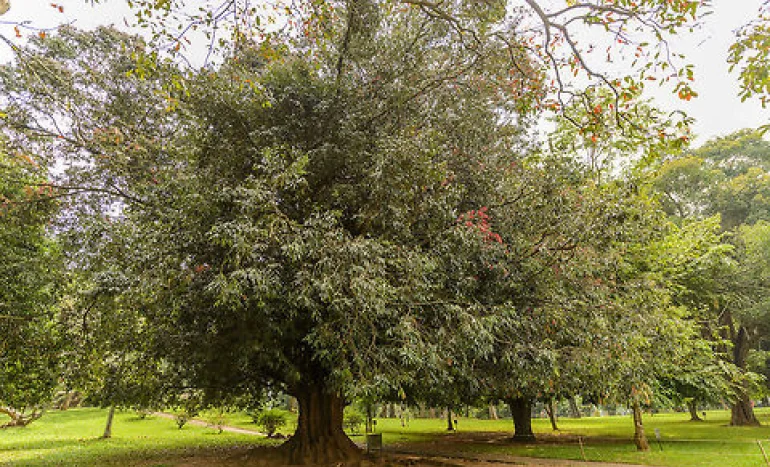
The Ceylon Ironwood tree is a large evergreen tree that can grow up to 30 meters tall. Its dense, hardwood is known for its incredible strength and durability, making it highly sought after for construction, furniture, and various handicrafts.

  • Height: Up to 30 meters (98 feet)
  • Wood Density: Extremely dense, sinks in water
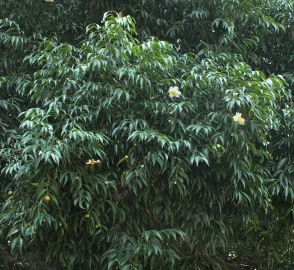
  • Leaves: Glossy, dark green with beautiful canopy
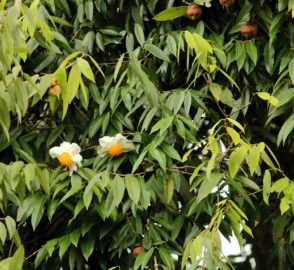
  • Flowers: White to pale yellow with sweet fragrance
  • Lifespan: Over 100 years
  • Resilience: Withstands drought and poor soil quality

Historical Significance

The Ceylon Ironwood has been an integral part of Sri Lankan culture for centuries. Historically, the wood was used in the construction of temples, palaces, and other significant structures, symbolizing strength and durability. The tree is often associated with traditional Ayurvedic medicine, where various parts of the plant are used for their therapeutic properties.

In addition to its medicinal uses, the Ceylon Ironwood has cultural significance in local folklore and traditions. It is often seen as a symbol of resilience and longevity, embodying the spirit of the Sri Lankan people.

Ecological Benefits

The Ceylon Ironwood tree plays a vital role in the ecosystem. Its dense foliage provides shade and habitat for various species, promoting biodiversity. The tree's flowers attract pollinators, which are crucial for the reproduction of many plant species.

  • Biodiversity Support: Habitat for various wildlife species
  • Pollinator Attraction: Flowers attract bees and butterflies
  • Soil Health: Prevents erosion and enhances nutrient cycling
  • Carbon Sequestration: Absorbs significant amounts of CO2
  • Climate Resilience: Effective in combating climate change

Fun Facts About Ceylon Ironwood

  • Local Name: Called "Na" in Sinhala, meaning "ironwood"
  • Water Density: Wood so dense it sinks in water
  • Longevity: Can live for over 100 years
  • Epiphyte Host: Supports orchids and other epiphytes
  • Cultural Symbol: Represents strength and resilience
  • Medicinal Value: Used in traditional Ayurvedic medicine

Environmental Impact

As the world grapples with the consequences of climate change and environmental degradation, the importance of native tree species like the Ceylon Ironwood cannot be overstated. Its resilience to adverse conditions makes it a prime candidate for reforestation efforts, particularly in degraded areas.

According to the Intergovernmental Panel on Climate Change (IPCC), forests play a significant role in carbon sequestration, and preserving and planting native species like the Ceylon Ironwood can significantly contribute to reducing greenhouse gas emissions.

How Grow Billion Trees Promotes Ceylon Ironwood Tree Plantations

Organizations like Grow Billion Trees Partners are at the forefront of reforestation initiatives in Sri Lanka and other regions. Their mission is to plant billions of trees worldwide, focusing on native species to restore ecosystems and combat climate change.

  • Community Engagement: Raising awareness about reforestation benefits
  • Educational Programs: Workshops empowering local participation
  • Collaborative Partnerships: Working with governments and NGOs
  • Monitoring and Maintenance: Ensuring tree survival and growth
  • Scientific Research: Data collection to refine strategies
  • Sustainable Practices: Promoting long-term ecological balance

Why Plant a Ceylon Ironwood Tree?

  • Ecological Benefits: Supports biodiversity and soil health
  • Cultural Heritage: Connects to traditional practices
  • Climate Action: Significant carbon sequestration capabilities
  • Economic Value: Durable wood for various applications
  • Medicinal Properties: Traditional healing applications
  • Long-term Investment: Can thrive for over a century

Final Thought
The Ceylon Ironwood tree is more than just a beautiful addition to the landscape; it is a resilient wonder of nature that offers numerous ecological, cultural, and economic benefits. As we face increasing environmental challenges, the importance of preserving and promoting native species like the Ceylon Ironwood cannot be overstated. By participating in reforestation efforts and advocating for sustainable practices, we can all contribute to a healthier planet and foster a sustainable future for generations to come.

Ironwood Flowers
Reforestation Projects

Ceylon Ironwood Uses

This isn't just any tree; the Ceylon Ironwood is the Swiss Army knife of the botanical world! From crafting sturdy furniture that can withstand the test of time to constructing temples that echo with history, its dense wood is the go-to choice for artisans and builders alike. Want a conversation starter at your next dinner party? Just mention how this tree's timber is so dense it sinks in water—talk about making waves!

Cultural Significance

Step aside, celebrities! The Ceylon Ironwood tree has been a cultural icon in Sri Lanka for centuries. It's more than just a tree; it's a symbol of resilience and strength, often woven into local folklore and traditions. With its historical roots in Ayurvedic medicine, this tree has been the silent healer, offering therapeutic properties that have been cherished for generations.

Biodiversity Benefits

The Ceylon Ironwood is like a five-star hotel for wildlife! Its lush canopy provides shelter and shade, making it a prime spot for various species to thrive. Birds, bees, and butterflies flock to its fragrant flowers, turning this mighty tree into a bustling hub of biodiversity. By planting more of these beauties, we're not just adding greenery; we're creating vibrant ecosystems that support life in all its forms.

Reforestation Efforts

In a world where deforestation is the villain, the Ceylon Ironwood is the superhero we need! Organizations like Grow Billion Trees Partners are on a mission to restore ecosystems by planting this resilient tree. With its ability to adapt to harsh conditions, it's the perfect candidate for reforestation projects. So, if you're looking to save the planet, planting a Ceylon Ironwood is like putting on a cape for Mother Nature!

Climate Change Mitigation

The Ceylon Ironwood tree isn't just a pretty face; it's a climate warrior! With its impressive carbon sequestration abilities, this tree helps combat climate change by absorbing significant amounts of carbon dioxide. By promoting the growth of these trees, we're not just planting a tree; we're investing in a healthier planet for future generations. Talk about a legacy worth leaving!

Medicinal Properties

Who knew a tree could be a pharmacy? The Ceylon Ironwood has been a staple in Ayurvedic medicine, with various parts of the tree being used for their therapeutic benefits. From leaves to bark, this tree is like nature's own medicine cabinet, ready to offer remedies for various ailments. So, next time you admire this magnificent tree, remember it's not just a beauty; it's a healer too!

Sustainable Practices

In the quest for sustainability, the Ceylon Ironwood tree is leading the charge! Its ability to thrive in poor soil and withstand drought makes it a perfect candidate for eco-friendly landscaping. By incorporating this resilient species into our gardens and urban spaces, we're not just beautifying our surroundings; we're making a commitment to sustainability. It's like giving a high-five to Mother Earth!

Historical Importance

The Ceylon Ironwood has seen it all—temples, palaces, and everything in between! This tree has played a pivotal role in Sri Lankan history, with its wood being used in the construction of culturally significant structures. It's not just a tree; it's a living testament to the strength and durability that has shaped the architectural landscape of the region. Talk about a historical heavyweight!

Epiphyte Habitat

The Ceylon Ironwood tree is not just a tree; it's a luxury apartment for epiphytes! These fascinating plants, including orchids, make their homes on its branches, thriving in the unique microhabitat the tree provides. By planting more Ceylon Ironwoods, we're not just enhancing our landscapes; we're creating havens for these beautiful plants to flourish. It's a win-win for both the tree and its leafy tenants!

Community Engagement

When it comes to reforestation, the Ceylon Ironwood tree is the ultimate community connector! Organizations like Grow Billion Trees Partners engage local communities, turning tree planting into a collective celebration. Through workshops and educational programs, they empower people to take part in the reforestation movement. Who knew saving the planet could be such a fun group activity?

Soil Health Improvement

The Ceylon Ironwood tree is like a personal trainer for soil! Its leaf litter enriches the ground, enhancing nutrient cycling and preventing erosion. By planting this tree, we're not just beautifying our surroundings; we're giving the soil a much-needed boost. It's like turning our gardens into nutrient-packed powerhouses—who knew trees could be such great soil coaches?

Carbon Sequestration

The Ceylon Ironwood tree is a carbon-absorbing superstar! With its long lifespan and robust growth, this tree excels at sequestering carbon dioxide, making it a key player in the fight against climate change. By planting more of these green giants, we're not just adding to the landscape; we're actively working to reduce greenhouse gas emissions. It's like giving our atmosphere a breath of fresh air!

FAQ

What is the Ceylon Ironwood tree?

It's a tall, evergreen marvel known scientifically as Mesua ferrea, native to Sri Lanka and Southeast Asia. With its dense, durable wood, it's a favorite for construction and furniture. Plus, its glossy leaves and fragrant flowers make it a wildlife hotspot.

01

Why is it called Ironwood?

The name "Ironwood" comes from its super dense wood that sinks in water. This tree is not just a pretty face; it’s a powerhouse of resilience and strength.

02

What are the ecological benefits of the Ceylon Ironwood?

It provides shade, habitat, and food for species, attracts pollinators, enhances soil health, and sequesters carbon—making it a climate change warrior.

03

How long can the Ceylon Ironwood live?

The Ceylon Ironwood can thrive for over 100 years, adding timeless beauty and ecological value to landscapes.

04

What role does the Ceylon Ironwood play in Sri Lankan culture?

It symbolizes strength and durability, used in temples and palaces, and is valued in Ayurvedic medicine. Truly a cultural icon!

05

How does the Ceylon Ironwood help combat climate change?

Mature trees absorb significant CO2, helping mitigate global warming. Promoting reforestation with this tree contributes to cooling the planet.

06

What is Grow Billion Trees Partners?

They are a reforestation organization planting billions of trees, engaging communities, and ensuring sustainability—like a tree-planting superhero squad!

07

How does Grow Billion Trees Partners engage with local communities?

They raise awareness, run educational programs and workshops, and empower locals to participate in tree-planting initiatives.

08

What is the significance of monitoring and maintaining planted trees?

Monitoring and care ensure young saplings survive and thrive, giving them the best chance to grow strong and healthy.

09

What are some fun facts about the Ceylon Ironwood?

Its wood sinks in water, hosts orchids, and is prized for crafts and construction. Plus, it can live over a century—fascinating!

10

Why should we support the Ceylon Ironwood's conservation?

Conservation protects its ecological benefits, combats climate change, preserves biodiversity, and ensures this magnificent tree continues to thrive.

11
logo
back top