
Spanish Fir Tree: Discover the Majestic Beauty and Benefits of This Iconic Evergreen!
Aadusa Tree - Medicinal Plant

Spanish Fir Tree: Majestic Beauty, Benefits, and Conservation

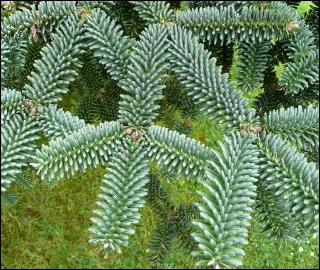
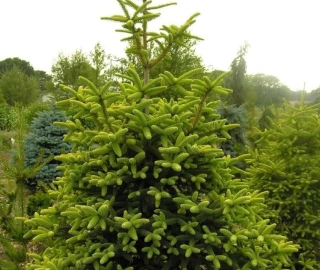
The Spanish Fir Tree (Abies pinsapo) is an evergreen conifer native to southern Spain, especially the Sierra de Grazalema. Celebrated for its unique beauty, ecological importance, and historical significance, it is a treasure for nature enthusiasts, ecologists, and landscape architects alike.

Characteristics of Spanish Fir

  • Can reach up to 30 meters (98 feet) in height with a trunk diameter of around 1 meter (3.3 feet).
  • Conical shape with dense, spirally arranged needles that are dark green above and silvery below.
  • Needles measure 2–4 cm (0.8–1.6 inches) in length, forming a lush canopy.
  • Produces cylindrical cones up to 10 cm (4 inches) long, which take about two years to mature and release seeds.
  • Thrives in mountainous Mediterranean climates with well-drained soils.

Fun Facts

  • Also known as "Pinsapo," derived from Arabic "bunsab," meaning fir.
  • A relic of the Tertiary period, representing Earth's climatic history.
  • Can live over 200 years, with some specimens exceeding 400 years.
  • Classified as a vulnerable species by the IUCN due to its limited range.

Historical Significance

Spanish Fir wood was historically prized for construction, fuel, and shipbuilding due to its durability and decay resistance. Culturally, it is associated with Mediterranean traditions, folklore, and has inspired artists and poets as a symbol of resilience and beauty.

Environmental Impact

Spanish Fir is a keystone species that supports biodiversity by providing habitat and food for birds, squirrels, and insects. Its dense canopy offers shelter, while needles help filter air pollutants and sequester carbon. Deep roots prevent soil erosion and stabilize terrain.

Conservation and Grow Billion Trees Partners

Organizations like Grow Billion Trees Partners actively work to preserve Spanish Fir populations through:

  • Community Engagement: Educating locals on conservation and sustainable forestry practices.
  • Research & Monitoring: Tracking tree health and reforestation success to improve strategies.
  • Habitat Restoration: Removing invasive species and promoting native flora for ecosystem balance.
  • Awareness Campaigns: Inspiring communities and organizations to protect this iconic species.

How to Grow and Care for Spanish Fir

- Growing Conditions: Well-drained, acidic to neutral soils; full sun to partial shade.
- Planting: Dig a hole twice as wide as the root ball; backfill with native soil and organic matter.
- Watering: Regular for young trees; established trees are drought-tolerant.
- Pruning: Minimal; remove dead or damaged branches for healthy growth.
- Pest Management: Monitor for aphids and bark beetles; take early action if needed.

Conclusion

The Spanish Fir Tree is a majestic evergreen with ecological, historical, and cultural importance. Supporting conservation initiatives ensures its survival and contribution to biodiversity, climate regulation, and ecosystem health. By planting and caring for Spanish Fir, we protect a living symbol of natural resilience for future generations.

Aadusa Tree in Ayurvedic Medicine
Aadusa Tree Environmental Benefits

Spanish Fir Tree: Characteristics, Benefits, and Conservation

The Spanish Fir Tree (Abies pinsapo) is an evergreen conifer native to southern Spain, especially the Sierra de Grazalema. Renowned for its striking appearance, ecological significance, and historical importance, it is a true treasure for gardeners, ecologists, and conservationists.

Characteristics

  • Can reach heights up to 30 meters (98 feet) with a trunk diameter around 1 meter (3.3 feet).
  • Conical shape with dense, dark green needles arranged spirally along the branches.
  • Needles have a silvery underside, forming a visually stunning canopy.
  • Cylindrical cones up to 10 cm (4 inches) long, blue-green when immature, turning brown at maturity.
  • Thrives in well-drained soils of Mediterranean mountain regions.

Ecological Importance

As a keystone species, Spanish Fir provides essential habitat and food for wildlife including birds, squirrels, and insects. Its dense canopy offers shelter, while its cones serve as a food source. Additionally, it filters air pollutants, sequesters carbon dioxide, and stabilizes soil, making it vital for ecosystem health.

Historical Significance

Spanish Fir has been valued for centuries for its durable wood, used in ships, construction, and traditional Mediterranean structures. It also holds cultural significance, inspiring art and literature, symbolizing resilience, and representing the rich heritage of Spain.

Conservation Status

Classified as vulnerable by the IUCN, the Spanish Fir faces threats from habitat loss and climate change. Conservation efforts led by organizations like Grow Billion Trees Partners focus on protecting and restoring populations through reforestation, habitat management, and community engagement.

Biodiversity Benefits

By providing habitat and supporting plant diversity, Spanish Fir promotes rich ecosystems. Its presence encourages the growth of surrounding flora and maintains a balanced Mediterranean landscape, making it a key species for biodiversity enhancement.

Community Engagement

Grow Billion Trees Partners engages local communities in conservation projects, educating residents about the ecological importance of Spanish Fir. Through workshops and training, they empower communities to actively participate in sustainable forestry and reforestation initiatives.

Research and Habitat Restoration

Scientific research monitors the health of Spanish Fir populations to optimize planting and care practices. Restoration projects remove invasive species, promote native plants, and enhance overall ecosystem resilience, ensuring the long-term survival of this iconic tree.

Growing and Care Tips

- Soil & Sun: Well-drained, acidic to neutral soils; full sun to partial shade.
- Planting: Dig a hole twice the width of the root ball; backfill with nutrient-rich soil.
- Watering: Regular for young trees; established trees are drought-tolerant.
- Pruning: Minimal; remove dead or damaged branches for healthy growth.
- Pest Management: Monitor for aphids and bark beetles; intervene early if needed.

Conclusion

The Spanish Fir Tree is a majestic evergreen with ecological, historical, and cultural importance. Its unique characteristics and biodiversity contributions make it worthy of admiration and protection. Conservation efforts by organizations like Grow Billion Trees Partners ensure that this iconic tree continues to thrive, supporting healthy ecosystems and enriching landscapes for generations.

FAQs

What is the Spanish Fir Tree?

The Spanish Fir Tree (Abies pinsapo) is an evergreen conifer native to southern Spain, known for its striking conical shape and unique blue-green cones. It is highly valued by nature lovers, ecologists, and landscape architects.

1

Where does the Spanish Fir Tree grow?

It thrives in the mountainous regions of southern Spain, particularly in the Sierra de Grazalema. Prefers well-drained, acidic to neutral soils and full sun to partial shade.

2

How tall can a Spanish Fir Tree grow?

Spanish Fir Trees can grow up to 30 meters (98 feet) tall, with a trunk diameter of around 1 meter (3.3 feet), making them prominent features in the landscape.

3

What are the unique characteristics of the Spanish Fir Tree?

It has dark green needle-like leaves with silvery undersides and cylindrical cones up to 10 cm long, blue-green when immature, turning brown at maturity.

4

Is the Spanish Fir Tree endangered?

Yes, it is classified as a vulnerable species by the IUCN due to habitat loss and climate change, requiring active conservation efforts.

5

What is the historical significance of the Spanish Fir Tree?

Historically, its durable wood was used for construction, ships, and fuel. It also features in local folklore and art, symbolizing resilience and the cultural heritage of Spain.

6

How does the Spanish Fir Tree contribute to the ecosystem?

It provides habitat and food for birds, squirrels, and insects. Its dense canopy offers shelter, its cones serve as food, and it helps sequester carbon and prevent soil erosion.

7

How can one grow and care for Spanish Fir Trees?

Plant in well-drained soil with full sun to partial shade. Water regularly for young trees, prune minimally, and monitor for pests to ensure healthy growth.

8

What conservation efforts exist for the Spanish Fir Tree?

Grow Billion Trees Partners leads reforestation, community education, habitat restoration, and scientific monitoring projects to preserve and sustain Spanish Fir populations.

9

How long can Spanish Fir Trees live?

They often live over 200 years, with some specimens surpassing 400 years, making them ancient witnesses to the Mediterranean landscape.

10

Why is the Spanish Fir Tree important for climate change?

It sequesters carbon dioxide, improves air quality, and stabilizes soil, helping combat climate change and contributing to a healthier ecosystem.

11
logo
back top