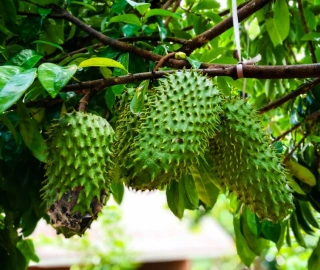

Soursop Tree: Unlocking the Secrets of Nature's Superfruit and Its Incredible Health Benefits
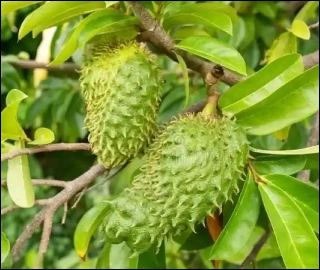
Aadusa Tree - Medicinal Plant

Soursop Tree: Unlocking Nature's Superfruit and Sustainable Benefits

The Soursop Tree (Annona muricata) is a tropical tree native to the Caribbean, Central, and South America. Known for its unique fruit and numerous health benefits, it is celebrated as a superfruit that supports both human health and environmental sustainability.

From its nutritional profile to its ecological contributions, the Soursop Tree is a valuable plant for sustainable agriculture, medicinal applications, and eco-conscious communities.

Historical Significance

Indigenous communities of the Caribbean and South America have used soursop for centuries as food and medicine. Spanish explorers in the 16th century documented its sweet flavor and healing properties. Over time, soursop spread to tropical regions worldwide, retaining its role in traditional diets and remedies.

Nutritional Profile

Soursop is packed with essential nutrients:

  • Calories: 66 per 100g
  • Carbohydrates: 16.8 g
  • Protein: 0.3 g
  • Fat: 0.3 g
  • Fiber: 3.3 g
  • Vitamin C: 20.6 mg (34% DV)
  • Potassium: 278 mg (8% DV)
These nutrients support overall wellness and immunity.

Health Benefits

- Antioxidant Properties: Neutralizes free radicals to combat chronic diseases.
- Anti-Inflammatory: Helps reduce inflammation linked to arthritis and cardiovascular issues.
- Potential Anti-Cancer Effects: Some studies show extracts may inhibit growth of breast, prostate, and colon cancer cells.
- Immune Support: High vitamin C content enhances white blood cell production.
- Digestive Health: Rich in fiber and used in traditional teas to aid digestion.
- Blood Sugar Regulation: Preliminary studies suggest potential to improve insulin sensitivity.
- Stress & Anxiety Relief: Leaf teas traditionally used for calming effects.

Environmental Impact

Soursop trees are low-maintenance and adapt to various soils, supporting agroforestry systems. They improve soil quality, prevent erosion, retain water, provide habitat for wildlife, and contribute to biodiversity, making them environmentally valuable.

Grow Billion Trees Partners

Organizations like Grow Billion Trees Partners promote sustainable soursop cultivation by:

  • Engaging local communities and educating farmers
  • Organizing tree planting campaigns
  • Supporting research on climate impact and food security
  • Providing market access to ensure fair compensation
Their efforts ensure soursop trees thrive while benefiting people and the planet.

How to Grow Soursop Trees

- Climate: Tropical or subtropical, frost-sensitive
- Soil: Well-draining, pH 5.5–7.0, loamy or sandy preferred
- Planting: Seeds or seedlings in sunny spots, spaced 10–15 feet apart
- Watering: Regular for young trees, drought-tolerant when mature
- Fertilization: Organic fertilizers like compost or manure
- Pest Control: Monitor for aphids, fruit flies, and use organic methods

Conclusion

The Soursop Tree is a superfruit powerhouse, offering health, nutritional, and environmental benefits. Supporting sustainable cultivation through initiatives like Grow Billion Trees Partners ensures this incredible tree thrives for generations. Incorporating soursop into diets and communities promotes wellness, sustainability, and ecological stewardship.

Aadusa Tree in Ayurvedic Medicine
Aadusa Tree Environmental Benefits

Soursop Tree: Nature’s Tropical Superfruit and Wellness Ally

The Soursop Tree, scientifically known as Annona muricata, is a tropical marvel celebrated for its nutrient-rich fruit and medicinal properties. Native to the Caribbean, Central, and South America, it provides numerous health benefits while supporting environmental sustainability.

From boosting immunity to aiding digestion and supporting stress relief, the Soursop Tree is a versatile superfruit that enhances both personal wellness and ecological health.

Health Benefits

Soursop is packed with antioxidants, anti-inflammatory compounds, and essential vitamins such as C, B1, and B2. Regular consumption may help combat oxidative stress, improve immunity, support digestive health, and provide natural stress relief.

Historical Significance

Indigenous peoples have used soursop for centuries for culinary, medicinal, and ritual purposes. Spanish explorers documented its unique flavor and healing properties, making soursop a fruit with a rich cultural and historical legacy.

Nutritional Value

Soursop is low in calories (66 per 100g) and rich in nutrients including fiber, potassium, magnesium, and vitamin C. It’s a delicious, guilt-free way to boost overall health and energy.

Potential Cancer Support

Research suggests that soursop extracts may inhibit the growth of certain cancer cells, including breast, prostate, and colon cancer cells. While more studies are needed, it has attracted attention as a potential complementary treatment.

Traditional Medicine

Soursop leaves, bark, and fruit have been used in traditional medicine for centuries to treat digestive issues, promote relaxation, and address skin and respiratory conditions. It is a versatile natural remedy with a long-standing history of use.

Environmental Benefits

Soursop trees support biodiversity, improve soil quality, prevent erosion, and provide habitats for wildlife. Planting soursop trees contributes to sustainable agriculture and helps combat deforestation.

Growing Soursop

Soursop thrives in tropical and subtropical climates. It prefers well-draining soil, full sun exposure, and regular watering during its early growth. Once established, it is relatively drought-tolerant and low-maintenance.

Sustainable Agriculture

Organizations like Grow Billion Trees Partners promote sustainable soursop cultivation. By supporting eco-friendly farming practices, reforestation, and community engagement, they help ensure that soursop trees continue to thrive globally.

Culinary Uses

Soursop can be enjoyed fresh, in smoothies, desserts, and teas. Its sweet, tangy flavor makes it a favorite in both traditional recipes and modern culinary creations.

FAQs

What is soursop?

Soursop, or Annona muricata, is a tropical tree native to the Caribbean and parts of South America, known for its spiky green fruit and superfruit status. It’s packed with nutrients and health benefits that make it a favorite among health enthusiasts and tropical fruit lovers.

1

What are the health benefits of soursop?

Soursop is like nature’s little pharmacy! It’s rich in antioxidants, vitamins, and minerals that may boost immunity, support heart health, and promote overall wellness.

2

How do you grow a soursop tree?

Soursop trees love warm, tropical climates and well-draining soil. Plant them in sunny spots, give them room to spread, and water them regularly. With a little care, you’ll be harvesting your own soursop fruit in no time!

3

What does soursop taste like?

Soursop has a unique flavor, blending sweet and tangy notes reminiscent of pineapple and strawberry. Its creamy texture makes it perfect for smoothies, desserts, or fresh consumption.

4

Can soursop help with cancer?

Some studies suggest that soursop extracts may inhibit certain cancer cell growth. It’s not a cure, but its antioxidant properties could be a valuable ally. Always consult a healthcare professional before any treatment changes.

5

Is soursop safe to eat?

Soursop is generally safe, but moderation is key. Avoid seeds and excessive leaf consumption. Enjoy the fruit fresh or in smoothies for a healthy treat.

6

How does soursop benefit digestion?

Soursop is rich in fiber, aiding bowel regularity and preventing constipation. Herbal teas made from its leaves are also believed to support digestive health.

7

What role does soursop play in sustainable agriculture?

Soursop trees improve soil quality, support biodiversity, and can be part of agroforestry systems. Planting them helps combat deforestation and promotes sustainable ecosystems.

8

Can soursop help with stress and anxiety?

Herbal teas from soursop leaves are believed to have calming effects. Some studies suggest extracts may help reduce anxiety, making it a natural way to relax.

9

What nutrients are found in soursop?

Soursop is packed with vitamins C, B1, B2, and minerals like potassium and magnesium. With only 66 calories per 100 grams, it’s a nutritious and guilt-free fruit for overall health.

10
logo
back top