

Kher Tree: Enhancing Soil Fertility and Preventing Erosion
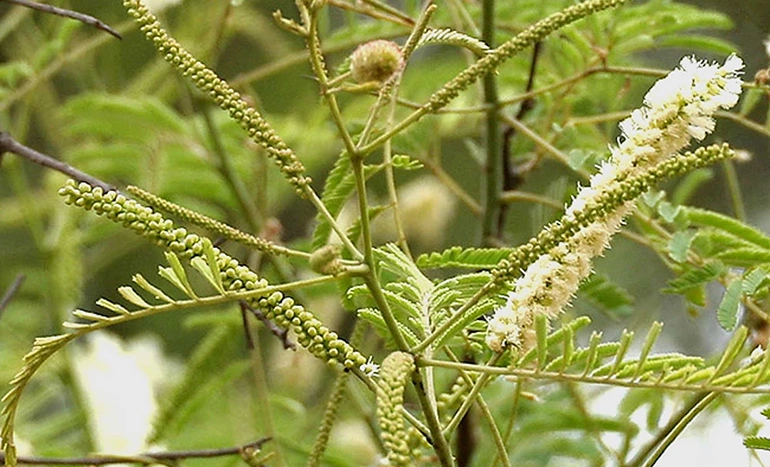
The Kher tree, recognized for its resilience and various applications, is a valuable asset in arid and semi-arid regions. This tree not only contributes to the environment but also supports local communities through its resources and cultural significance.
Botanical Marvel
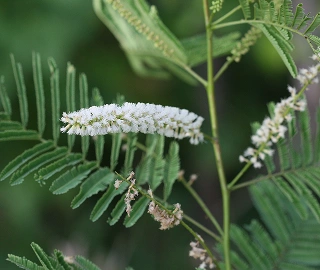
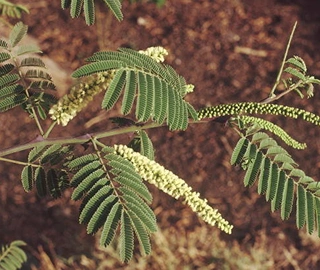
The Kher tree, scientifically known as Acacia catechu, is a medium-sized tree that can grow up to 60 feet tall. Its distinctive bark, rich in tannins, and small yellow flowers make it a notable presence in the landscapes where it thrives.
Cultural Symbolism
In many cultures, the Kher tree holds importance for its medicinal properties and its use in traditional practices. The heartwood is valued not only for its durability but also for its significance in rituals and ceremonies.
Ecological Keystone
The Kher tree plays a crucial role in its ecosystem by improving soil fertility and preventing erosion. Its deep roots help stabilize the soil, making it essential for maintaining the health of arid landscapes.
Versatile Uses
The Kher tree is known for its versatility, with multiple uses ranging from timber and fuel to medicinal applications. Its bark is a source of catechu, which is used in various traditional medicines and as a dye.
Economic Importance
The Kher tree contributes significantly to the local economy. Its wood and extracts are valuable resources, providing income opportunities for communities involved in its cultivation and harvesting.
Traditional Knowledge
Indigenous communities have a rich understanding of the Kher tree, utilizing it for various purposes, from medicine to craft. This traditional knowledge is vital for the sustainable use and conservation of this resource.
Environmental Sustainability
Sustainable practices in the cultivation of Kher trees are essential for ecosystem health. Agroforestry systems that incorporate Kher can enhance biodiversity and soil quality while supporting local livelihoods.
Challenges and Opportunities
While the Kher tree faces challenges such as deforestation and climate change, these challenges also offer opportunities for innovation in sustainable harvesting and reforestation efforts.
Community Empowerment
Supporting local communities in the management and utilization of Kher trees can lead to improved economic stability. Training programs and access to markets can empower farmers to maximize the benefits of this valuable tree.
Climate Resilience
The Kher tree's adaptability to harsh conditions makes it a key player in climate resilience strategies. Its ability to thrive in poor soils enhances restoration efforts and contributes to environmental sustainability.
Consumer Awareness
Raising awareness about the benefits of Kher products can promote responsible consumption. Educated consumers can support sustainably sourced Kher wood and extracts, benefiting both communities and ecosystems.
Global Collaboration
Addressing the challenges facing the Kher tree requires collaboration among various stakeholders. Partnerships between governments, NGOs, and local communities can foster sustainable practices and conservation initiatives.
Conclusion
The Kher tree stands as a symbol of resilience, sustainability, and cultural significance. With its myriad benefits, from ecological contributions to economic opportunities, the Kher tree exemplifies the vital relationship between humans and nature. By supporting sustainable practices and empowering communities, we can ensure the enduring legacy of the Kher tree for future generations.
Your Suggestions
Leave your message and we'll get back to you shortly.