


Natural Forest Management
Natural Forest Management:
Balancing Conservation and Harvest in Natural Forests
Welcome to the untamed world of Natural Forest Management, where sustainability meets biodiversity in a harmonious dance orchestrated by Mother Nature herself.
In this comprehensive guide, we will delve deep into the intricacies of managing forests in their most organic state, exploring everything from its definition to the threats it faces and strategies for conservation. So, strap in and let's embark on this wild ride!
Key Insight
About Natural Forest Management: Natural Forest Management, also known as close-to-nature forestry, is a holistic approach to forest management that aims to mimic natural processes and ecological dynamics.
Unlike conventional forestry practices that often prioritize timber production and monoculture, natural forest management emphasizes the preservation of biodiversity, soil health, and ecosystem resilience.
Types of Natural Forest Management
Definition: Natural Forest Management can be defined as a sustainable approach to forest management that prioritizes ecosystem health, biodiversity conservation, and resilience through the emulation of natural forest dynamics and processes.
Continuous Cover Forestry: This method involves selective harvesting of trees while maintaining a continuous tree cover to mimic natural forest dynamics.
Shelterwood System: Here, mature trees are gradually removed in stages, allowing for natural regeneration of the forest understory.
Selection System: Trees are selectively harvested based on their size, health, and species composition, ensuring the continuity of diverse age classes within the forest.
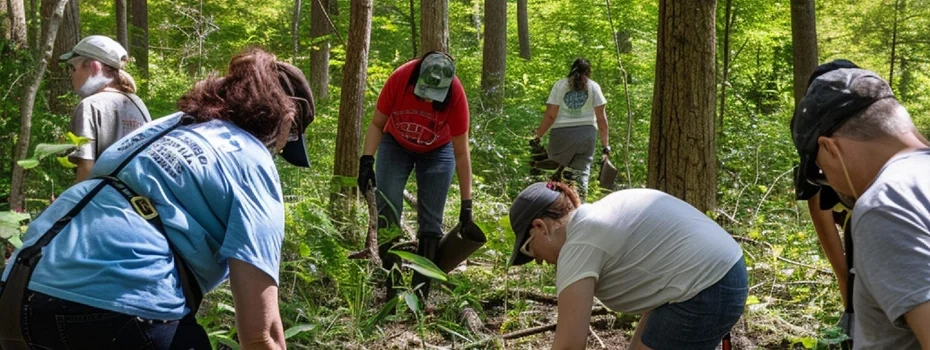
Important Facts
- Natural forest management promotes forest resilience to climate change by maintaining diverse species composition and age structures.
- It enhances habitat quality for wildlife, supports soil conservation, and contributes to carbon sequestration and storage.
- This approach fosters a deeper understanding of forest ecosystems and their intricate relationships, challenging traditional notions of forest management solely for timber extraction.
Geographical Location in India: India boasts a rich tapestry of forest ecosystems, ranging from the dense rainforests of the Western Ghats to the Himalayan temperate forests. Natural forest management practices find application in various regions across the country, with notable initiatives in states like Kerala, Karnataka, and Himachal Pradesh.
Importance
- Biodiversity Conservation: By preserving diverse habitats and species, natural forest management safeguards the web of life that sustains ecosystems.
- Climate Resilience: Healthy forests play a crucial role in mitigating climate change by sequestering carbon and regulating local weather patterns.
- Socioeconomic Benefits: Natural forests provide a myriad of ecosystem services, including clean water, timber, non-timber forest products, and recreational opportunities, benefiting both local communities and economies.

Development Strategies
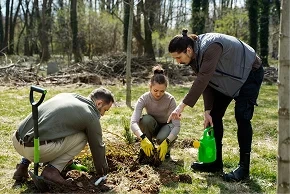
- Participatory Approaches: Involving local communities and indigenous peoples in forest management decision-making fosters a sense of ownership and promotes sustainable practices.
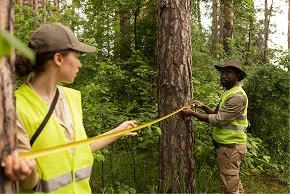
- Monitoring and Research: Continuous monitoring of forest dynamics and ecological indicators helps refine management strategies and adapt to changing conditions.
- Policy Support: Enacting policies that incentivize sustainable forest management practices and provide legal protection for natural habitats is crucial for long-term conservation efforts.

Key Insights for Learning
- Embrace Diversity: Nature thrives on diversity, so prioritize maintaining diverse species composition and age structures within forest ecosystems.
- Adaptability is Key: Ecosystems are dynamic and ever-changing, so be prepared to adapt management strategies based on ecological feedback and evolving conditions.
- Learn from Nature: Nature has been fine-tuning its systems for millennia, so observe and learn from natural processes to inform your management decisions.
Threats Faced
- Deforestation and Habitat Loss: Rampant deforestation for agriculture, infrastructure development, and urbanization fragment natural habitats and degrade ecosystem integrity.
- Illegal Logging and Poaching: Illegal activities such as logging and poaching pose significant threats to forest biodiversity and undermine conservation efforts.
- Climate Change: Rising temperatures, altered precipitation patterns, and extreme weather events exacerbate forest stressors and disrupt ecological dynamics, challenging the resilience of forest ecosystems.
Conservation
- Protected Area Management: Establishing and effectively managing protected areas ensures the preservation of critical habitats and biodiversity hotspots.
- Community Engagement: Empowering local communities as stewards of their forests fosters sustainable resource management practices and strengthens conservation initiatives.
- International Cooperation: Collaboration at global scales is crucial for addressing transboundary conservation challenges and promoting sustainable development agendas.
Conclusion
Conclusion: In conclusion, natural forest management represents a paradigm shift in how we perceive and interact with forests, emphasizing resilience, biodiversity, and sustainability. By embracing this approach and adopting proactive conservation measures, we can ensure that our forests continue to thrive for generations to come.
So, let's join hands in nurturing and protecting these invaluable ecosystems, for they are not just our lifeline but also our legacy.
1
Natural Forest Management
Natural forest management involves the sustainable stewardship of native forest ecosystems, prioritizing conservation, biodiversity enhancement, and ecological resilience. This approach aims to maintain the integrity and functionality of natural forests while supporting the well-being of local communities and fostering environmental sustainability.
2
Ecological Assessment
Ecological assessment forms the foundation of natural forest management, encompassing the evaluation of forest structure, biodiversity, and ecosystem processes. Understanding ecological dynamics helps identify key conservation priorities, assess forest health, and develop management strategies that align with ecosystem resilience.
3
Silvicultural Practices
Silvicultural practices in natural forest management focus on maintaining or restoring natural forest structure and composition through selective harvesting, thinning, and regeneration techniques. Emphasizing ecological principles, such as mimicking natural disturbance regimes and promoting species diversity, helps sustain forest health and resilience over time.
4
Biodiversity Conservation
Biodiversity conservation is a central goal of natural forest management, aiming to protect and enhance the diversity of plant and animal species within forest ecosystems. Implementing habitat conservation measures, protecting critical habitat areas, and promoting landscape connectivity support the conservation of biodiversity and ecological integrity.
5
Carbon Sequestration and Climate Resilience
Natural forest management contributes to carbon sequestration and climate resilience by preserving intact forest ecosystems, which act as significant carbon sinks and buffers against climate change impacts. Protecting old-growth forests, conserving soil organic matter, and minimizing disturbances help maintain forest carbon stocks and enhance climate resilience.
6
Ecosystem Services Enhancement
Natural forest management recognizes the multifunctional benefits provided by forest ecosystems and aims to enhance ecosystem services such as water regulation, soil conservation, and recreational opportunities. Implementing measures to protect riparian zones, maintain forest connectivity, and promote sustainable recreational use supports the provision of valuable ecosystem services for society.
7
Community Engagement and Livelihoods
Community engagement is essential for the success of natural forest management, involving local stakeholders in decision-making processes, forest stewardship, and benefit-sharing mechanisms. Empowering local communities through capacity building, livelihood diversification, and equitable resource management fosters social inclusion, strengthens local economies, and enhances forest management outcomes.
8
Adaptive Management and Monitoring
Adaptive management and monitoring are integral components of natural forest management, allowing for the assessment of management impacts, identification of emerging threats, and adjustment of management strategies as needed. Regular monitoring of forest conditions, biodiversity indicators, and stakeholder feedback enables adaptive decision-making and ensures the effectiveness of management interventions.
9
Policy Support and Governance
Policy support and governance frameworks play a crucial role in enabling and promoting natural forest management practices through supportive legislation, incentives, and institutional arrangements. Developing participatory governance structures, strengthening tenure rights, and aligning policies with conservation objectives create an enabling environment for sustainable forest management and conservation.
10
Scientific Research and Knowledge Sharing
Scientific research and knowledge sharing are essential for advancing natural forest management practices, informing decision-making, and promoting innovation in forest conservation and management. Investing in research initiatives, fostering collaboration among researchers and practitioners, and disseminating best practices facilitate continuous learning and improvement in natural forest management approaches.
 OUR FAQ US
Frequently Asked Questions About Natural Forest Management
What is Natural Forest Management?
Natural forest management, also known as close-to-nature forestry or continuous cover forestry, is an approach to forest management that seeks to emulate natural forest dynamics and processes while meeting human needs for timber, ecosystem services, and biodiversity conservation. Unlike traditional clear-cutting methods, natural forest management aims to maintain forest structure, composition, and function through selective harvesting and minimal disturbance.
01
How does Natural Forest Management benefit the environment?
Natural forest management offers numerous environmental benefits. It helps maintain forest ecosystem integrity by preserving habitat for diverse plant and animal species, promoting soil health and biodiversity, regulating water cycles, and sequestering carbon dioxide from the atmosphere. By mimicking natural disturbances such as windthrow and senescence, natural forest management supports ecosystem resilience to climate change and human impacts.
02
Where is Natural Forest Management typically practiced?
Natural forest management is practiced in various forest ecosystems worldwide, including temperate and boreal forests, tropical rainforests, and mixed-species woodlands. It is often found in areas where conservation objectives are prioritized, such as protected areas, indigenous territories, and sustainably managed forests certified by forest stewardship programs.
03
How does Natural Forest Management contribute to community well-being?
Natural forest management contributes to community well-being by providing sustainable livelihoods, income generation, and cultural values associated with forests. It supports traditional forest uses such as hunting, gathering, and non-timber forest products, while also offering opportunities for eco-tourism, recreation, and spiritual connection with nature. By involving local communities in forest management decisions, natural forest management fosters social cohesion and empowerment.
04
What are the key principles of Natural Forest Management?
Key principles of natural forest management include preserving forest structure and diversity, maintaining ecological processes and functions, minimizing human intervention and disturbance, adapting management practices to local ecological conditions, prioritizing ecosystem health and resilience over short-term timber production, and integrating traditional knowledge and science-based approaches into decision-making processes.
05
How does Natural Forest Management promote biodiversity conservation?
Natural forest management promotes biodiversity conservation by preserving old-growth characteristics, such as large trees, canopy gaps, deadwood, and diverse understory vegetation, which provide habitat and resources for a wide range of plant and animal species. By maintaining forest complexity and heterogeneity, natural forest management supports native biodiversity and ecosystem resilience to disturbances.
06
What are the challenges associated with Natural Forest Management?
Challenges associated with natural forest management include limited economic incentives for sustainable forestry, market pressures for high-value timber species, regulatory barriers to adaptive management and innovation, competing land uses and interests, and the need for skilled labor and technical expertise in ecological forestry practices. Overcoming these challenges requires supportive policies, stakeholder collaboration, and public awareness of the ecological benefits of natural forest management.
07
How can individuals contribute to Natural Forest Management efforts?
Individuals can contribute to natural forest management efforts by supporting sustainable forestry practices, purchasing wood products certified by reputable forest stewardship programs, advocating for forest conservation and restoration policies, volunteering for conservation organizations and citizen science projects, and participating in forest management planning processes as stakeholders and community members.
08
What role do governments play in supporting Natural Forest Management?
Governments play a crucial role in supporting natural forest management by enacting and enforcing laws and regulations that promote sustainable forestry practices, providing funding and technical assistance for forest management planning and implementation, establishing protected areas and conservation reserves, and collaborating with stakeholders to address cross-cutting issues such as climate change, biodiversity conservation, and indigenous rights.
09
How does Natural Forest Management contribute to climate change adaptation and mitigation?
Natural forest management contributes to climate change adaptation and mitigation by enhancing forest resilience to climate impacts, such as extreme weather events, pests, and diseases. By maintaining diverse forest ecosystems and carbon stocks, natural forest management helps sequester carbon dioxide from the atmosphere and mitigate greenhouse gas emissions, while also providing ecosystem services such as water regulation, soil stabilization, and habitat connectivity.
10
Send Your Mail
OUR CONTACT NOW
Determine You Want To Achieve
Relaxing Garden & Functional.
Business tailored design, management & support services. Business agency elit, sed do eiusmod tempor...