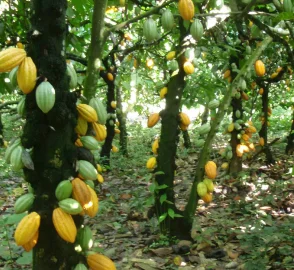


Cocoa Tree: Unlocking the Secrets of Nature's Chocolate Factory for Health and Happiness
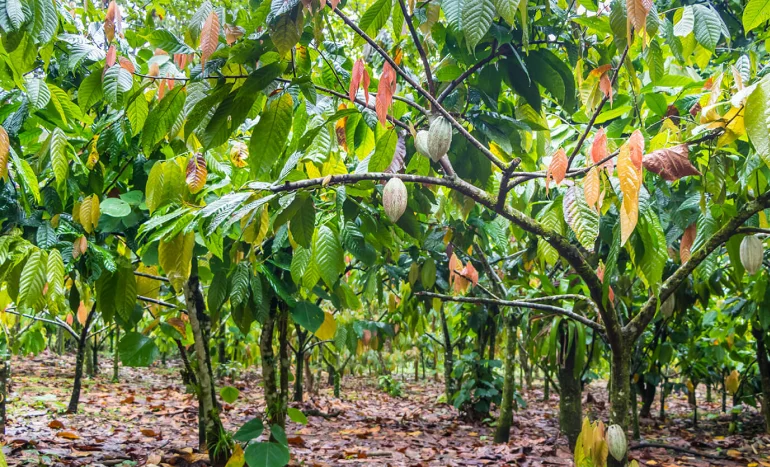
Cocoa Tree - Nature's Chocolate Factory

The cocoa tree, scientifically known as Theobroma cacao, is often referred to as nature's chocolate factory. This remarkable tree not only provides us with the delicious chocolate we crave but also boasts a plethora of health benefits and a rich historical significance. In this blog post, we will delve into the secrets of the cocoa tree, exploring its nutritional properties, historical context, environmental impact, and how initiatives like Grow Billion Trees are working to promote sustainable cocoa farming practices.

Cocoa Tree: A Brief Overview

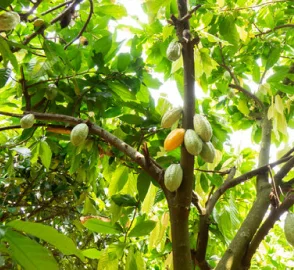
The cocoa tree is native to the tropical regions of Central and South America. It thrives in humid, warm climates, typically found in areas close to the equator. The tree can grow up to 15-25 feet tall and produces pods that contain cocoa beans, the essential ingredient for chocolate. These pods take about five to six months to mature, and each pod contains around 20-50 cocoa beans.

A Historical Perspective

The history of cocoa dates back to the ancient civilizations of the Maya and Aztecs. The Mayans were the first to cultivate cacao, using it to create a bitter beverage known as "xocolatl," which was often flavored with spices and consumed during religious ceremonies. The Aztecs, on the other hand, revered cacao so highly that they used it as currency and believed it was a gift from the gods. The word "Theobroma" translates to "food of the gods," reflecting its esteemed status.

With the arrival of European colonizers in the 16th century, cocoa made its way to Europe, where it was sweetened and transformed into the chocolate we know today. Chocolate quickly gained popularity, becoming a symbol of luxury and indulgence among the elite. Today, cocoa is a multi-billion dollar industry, with major producers including Côte d'Ivoire, Ghana, and Indonesia.

The Nutritional Profile of Cocoa

Cocoa is not just a treat; it is a powerhouse of nutrients. Rich in flavonoids, particularly epicatechin, cocoa has been linked to various health benefits. Studies have shown that consuming dark chocolate (which contains higher cocoa content) can improve heart health by lowering blood pressure, improving blood flow, and reducing the risk of heart disease.

Additionally, cocoa is a rich source of antioxidants, which help combat oxidative stress and inflammation in the body. It contains essential minerals such as magnesium, iron, and zinc, contributing to overall well-being. Here are some specific health benefits of cocoa:

  • Heart Health: The flavonoids in cocoa can help improve endothelial function and reduce bad cholesterol levels.
  • Mood Booster: Cocoa contains phenylethylamine (PEA), which can enhance mood and promote feelings of happiness.
  • Brain Function: Some studies suggest that cocoa may improve cognitive function and reduce the risk of neurodegenerative diseases.
  • Skin Health: The antioxidants in cocoa can protect the skin from UV damage and improve hydration.

Fun Facts About Cocoa

Here are some fascinating facts about cocoa and chocolate:

  • Ancient Currency: Cocoa beans were so valuable in ancient times that they were used as currency by the Aztecs.
  • Annual Yield: The average cocoa tree produces about 2,500 beans per year, which is enough to make approximately 2.5 kilograms (5.5 pounds) of chocolate.
  • White Chocolate: White chocolate, despite its name, does not contain cocoa solids; it is made from cocoa butter, sugar, and milk.
  • Endorphin Release: Chocolate has been shown to release endorphins in the brain, leading to feelings of pleasure and happiness.

Environmental Impact of Cocoa Farming

While cocoa farming has a rich history and numerous health benefits, it is essential to acknowledge the environmental challenges associated with its cultivation. Traditional cocoa farming practices have led to deforestation, loss of biodiversity, and soil degradation. The demand for chocolate has resulted in the clearing of vast areas of rainforest, particularly in West Africa, where over 70% of the world's cocoa is produced.

However, sustainable cocoa farming practices are gaining momentum. Agroforestry systems, which integrate cocoa cultivation with other crops and trees, can enhance biodiversity and improve soil health. These practices not only help mitigate the environmental impact of cocoa farming but also provide additional income sources for farmers.

Grow Billion Trees: A Sustainable Solution

One organization that is making significant strides in promoting sustainable cocoa farming is Grow Billion Trees. This initiative focuses on reforestation and agroforestry, working with local communities to plant trees and restore degraded lands. By partnering with cocoa farmers, Grow Billion Trees aims to create a sustainable cocoa supply chain that benefits both the environment and the farmers.

Grow Billion Trees executes its projects by providing training and resources to farmers, helping them adopt sustainable farming practices. This includes educating farmers on agroforestry techniques, which allow them to grow cocoa alongside other crops, enhancing biodiversity and improving soil health. Additionally, the organization promotes the use of shade trees, which provide habitat for wildlife and reduce the need for chemical fertilizers.

Through its efforts, Grow Billion Trees not only contributes to reforestation but also empowers local communities. By creating a sustainable cocoa supply chain, the initiative helps farmers increase their income while preserving the environment. This holistic approach ensures that the benefits of cocoa farming extend beyond just economic gain, promoting health and happiness for both farmers and consumers.

The Future of Cocoa: A Path Towards Sustainability

The future of cocoa farming lies in sustainability. As consumers become more aware of the environmental and social impacts of their choices, there is a growing demand for ethically sourced and sustainable chocolate. Companies that prioritize sustainability in their supply chains are likely to thrive in this evolving market.

Moreover, initiatives like Grow Billion Trees play a crucial role in this transition. By working directly with farmers and communities, they are paving the way for a more sustainable cocoa industry that prioritizes the health of the planet and the well-being of those who cultivate it.

How You Can Support Sustainable Cocoa Farming

As consumers, we have the power to influence the cocoa industry by making informed choices. Here are some ways you can support sustainable cocoa farming:

  • Choose Fair Trade or Certified Cocoa Products: Look for chocolates that are certified Fair Trade or Rainforest Alliance, which ensure that farmers receive fair wages and that farming practices are environmentally friendly.
  • Support Local and Organic Brands: Opt for brands that prioritize sustainability and transparency in their supply chains.
  • Educate Yourself and Others: Share information about the importance of sustainable cocoa farming and the impact of your choices on the environment and communities.
  • Participate in Reforestation Initiatives: Get involved with organizations like Grow Billion Trees or support local reforestation projects.

Conclusion
The cocoa tree is a remarkable gift from nature, providing us with both delicious chocolate and numerous health benefits. However, the challenges associated with cocoa farming cannot be overlooked. By supporting sustainable practices and organizations like Grow Billion Trees, we can ensure that the cocoa industry thrives while protecting the environment and promoting the well-being of farmers.

As we indulge in our favorite chocolate treats, let's remember the journey of the cocoa bean from tree to table and the importance of making choices that contribute to a healthier planet and happier communities. Together, we can unlock the secrets of nature's chocolate factory for health and happiness!

Cocoa Beans Processing
Sustainable Cocoa Farming

Cocoa Farming Practices

When it comes to cocoa, not all farming practices are created equal. Traditional methods can wreak havoc on the environment, leading to deforestation and biodiversity loss. However, sustainable cocoa farming practices are the superheroes we need! By integrating agroforestry and shade trees, farmers can cultivate cocoa while preserving the planet. It's like having your chocolate cake and eating it too—without the guilt!

Cocoa Health Benefits

Move over kale, cocoa is here to steal the health spotlight! Rich in flavonoids and antioxidants, cocoa can boost heart health, improve mood, and even enhance brain function. So, the next time you're indulging in dark chocolate, just remember—you're not just treating yourself, you're doing your body a favor. Who knew that delicious could also be nutritious?

Sustainable Chocolate

In a world where chocolate is often synonymous with guilt, sustainable chocolate is the shining beacon of hope. Ethically sourced and environmentally friendly, sustainable chocolate ensures that every bite you take supports farmers and protects the planet. So, indulge with confidence—your chocolate cravings can now align with your eco-conscious values!

Environmental Impact of Cocoa

Cocoa farming has a complex relationship with the environment, often leading to deforestation and soil degradation. But fear not! With the rise of sustainable practices, we can mitigate these impacts. By promoting biodiversity and restoring degraded lands, we can enjoy our beloved chocolate while keeping Mother Earth happy. It's a win-win situation!

Cocoa Bean Currency

Did you know that cocoa beans were once the currency of the Aztecs? That's right! These little beans were so valuable that they could buy you a turkey or even a slave. Talk about a sweet deal! Today, while we may not trade beans for dinner, cocoa still holds immense value in our hearts—and our taste buds.

Cocoa Tree Growth

The cocoa tree may not be the tallest in the forest, but it certainly has a significant impact on our lives. Growing up to 25 feet tall, these trees produce pods filled with cocoa beans, the stars of the chocolate show. With a little patience (about six months), these pods transform into the delicious treats we adore. Who knew waiting could be so rewarding?

Cocoa and Mood

Feeling down? A piece of dark chocolate might be just what the doctor ordered! Cocoa contains phenylethylamine (PEA), a compound that triggers the release of endorphins—our brain's natural feel-good chemicals. So, the next time you need a pick-me-up, remember that chocolate is not just a treat; it's a happiness hack!

Cocoa's Historical Journey

From the ancient Mayans sipping xocolatl to modern chocolate bars, cocoa has a rich history that's as sweet as its taste. Once revered as a divine gift, cocoa's journey through time reflects its cultural significance and economic value. So, when you savor your chocolate, you're also indulging in centuries of history—now that's a tasty legacy!

Cocoa and Antioxidants

Move over, superfoods! Cocoa is packed with antioxidants that fight oxidative stress and inflammation. With its rich nutrient profile, cocoa is like a tiny superhero in a wrapper, ready to protect your body from harm. So, the next time you reach for that chocolate bar, remember you're not just indulging; you're arming yourself with antioxidants!

Cocoa Farming Initiatives

Organizations like Grow Billion Trees are revolutionizing the cocoa industry by promoting sustainable farming practices. By partnering with local farmers, they're not just planting trees; they're planting hope for a greener future. So, when you support these initiatives, you're contributing to a sustainable cocoa supply chain that benefits everyone. Chocolate with a conscience—now that's something to celebrate!

Cocoa and Reforestation

The dual role of cocoa farming in reforestation is like a plot twist in a chocolate novel! By adopting sustainable practices, cocoa farmers can restore degraded lands while producing the beloved beans. It's a delicious way to combat climate change, ensuring that our chocolate cravings don't come at the cost of our forests. Sweet sustainability at its finest!

FAQ

What is the cocoa tree?

The cocoa tree, or Theobroma cacao, is native to Central and South America. It produces cocoa beans—the essential ingredient for chocolate. Growing up to 25 feet tall, it thrives in humid climates and offers both delicious treats and health benefits.

01

Why is cocoa called "food of the gods"?

"Theobroma" means "food of the gods." Ancient Aztecs revered cacao, using it in rituals and as currency, giving chocolate its divine reputation.

02

What are the health benefits of cocoa?

Rich in flavonoids, cocoa can improve heart health, boost mood, enhance brain function, and protect skin due to its antioxidant and anti-inflammatory properties.

03

How does cocoa farming impact the environment?

Traditional cocoa farming can cause deforestation and biodiversity loss. Sustainable practices are emerging to protect ecosystems, maintain soil health, and promote biodiversity.

04

What is Grow Billion Trees?

Grow Billion Trees engages in reforestation and sustainable farming initiatives, ensuring that cocoa cultivation benefits both the environment and local farmers.

05

How can I support sustainable cocoa farming?

Choose Fair Trade or certified cocoa products, support local and organic brands, and participate in reforestation initiatives like Grow Billion Trees to promote sustainability.

06

What is the nutritional profile of cocoa?

Cocoa contains flavonoids, antioxidants, and minerals like magnesium and iron, supporting heart health, mood, and overall well-being.

07

How did cocoa become popular in Europe?

Cocoa reached Europe in the 16th century, where colonizers sweetened the bitter beverage. It became a luxury item and status symbol among the elite.

08

What are fun facts about cocoa?

White chocolate doesn’t contain cocoa solids, making it a sneaky member of the chocolate family! Cocoa’s history and versatility make it a fascinating ingredient.

09

What role does agroforestry play in cocoa farming?

Agroforestry combines cocoa with other crops and trees, enhancing biodiversity, improving soil health, and providing additional income for farmers.

10

What is the future of cocoa farming?

Sustainable practices and consumer demand for ethically sourced products will drive the future. Initiatives like Grow Billion Trees ensure cocoa benefits both the planet and farmers.

11

What is the significance of chocolate in history?

Chocolate has a rich history, from sacred rituals among the Maya and Aztecs to becoming a European luxury indulgence, symbolizing wealth, status, and cultural heritage.

12
logo
back top