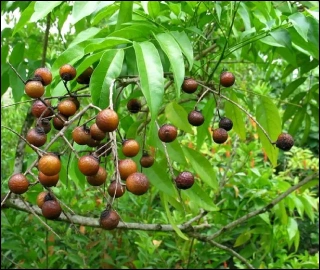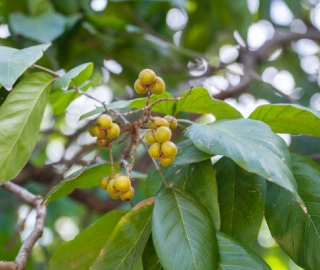

Soap Nut Tree: Unlocking Nature's Eco-Friendly Secrets for Sustainable Living
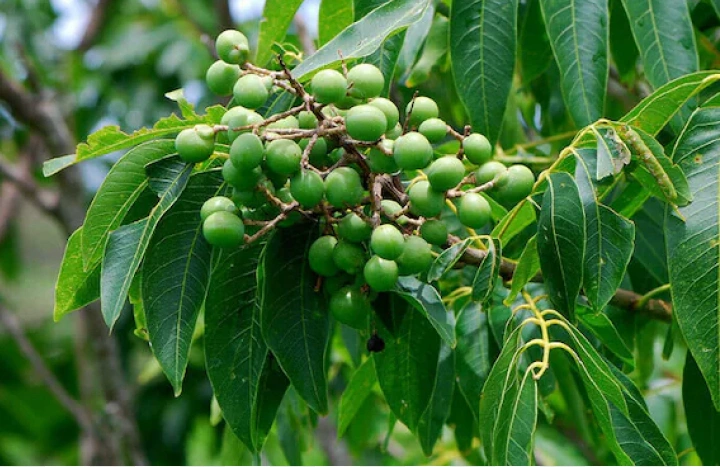
Aadusa Tree - Medicinal Plant

Soap Nut Tree: Unlocking Nature's Eco-Friendly Secrets for Sustainable Living

In an era where sustainable living is becoming paramount, the soap nut tree, or Sapindus mukorossi, emerges as a natural marvel that offers eco-friendly solutions for households and industries alike. Native to the Indian subcontinent, it has been used for centuries for its natural cleansing properties.

This guide explores the soap nut tree’s historical significance, environmental impact, scientific insights, uses, and the role of organizations like Grow Billion Trees Partners in promoting sustainable practices.

The Soap Nut Tree: A Brief Overview

The soap nut tree is a deciduous tree that can grow up to 25 meters tall. Its fruits, known as soap nuts, contain saponins, which act as natural surfactants. When crushed and mixed with water, they produce a lather similar to traditional soaps, and have been used for laundry, personal care, and cleaning household items.

Historical Significance

Soap nuts have been used for thousands of years. Ancient texts from India and China reference their use for cleansing and medicinal purposes. In Ayurveda, soap nuts are believed to have anti-inflammatory and antibacterial properties, and were used for skin conditions, hair care, and personal hygiene.

Scientific Insights: The Power of Saponins

Saponins are glycosides with both hydrophilic (water-attracting) and hydrophobic (water-repelling) properties. This allows them to create a natural lather, effectively removing dirt and grease. Studies show that soap nuts contain 10–15% saponins depending on fruit maturity, providing effective cleansing without harsh chemicals. They are also biodegradable and non-toxic.

Environmental Impact

Traditional detergents pollute waterways and harm aquatic life, but soap nuts are sustainable and biodegradable. Using them reduces carbon footprints and supports healthier ecosystems. Soap nut trees also contribute to reforestation, thrive in degraded lands, restore biodiversity, and sequester carbon, helping fight climate change.

Fun Facts About Soap Nuts

- Soap nuts are not true nuts, but the dried fruit of the tree.
- Saponins have insecticidal properties, making soap nuts natural pest repellents.
- One batch can be reused 3–4 times before losing effectiveness.
- Hypoallergenic and safe for sensitive skin, including babies.
- Used in rituals and ceremonies in some cultures for their purifying properties.

Grow Billion Trees Partners: Promoting Sustainable Practices

Organizations like Grow Billion Trees Partners promote cultivation and sustainable use of soap nut trees. They engage communities in reforestation, provide education and training on sustainable practices, and ensure market access for soap nut products. Their initiatives empower local communities while conserving the environment.

How to Use Soap Nuts

- Prepare: Place 4–6 whole soap nuts in a small cotton or muslin bag.
- Wash: Toss the bag into the washing machine with laundry. For stronger cleaning, boil the soap nuts to make liquid soap.
- Reuse: Soap nuts can be reused for 3–4 washes until they turn gray and lose lathering ability.
- Dry and Store: Let used soap nuts dry completely before storing in a cool, dry place.

Conclusion

The soap nut tree represents a sustainable approach to living in harmony with nature. By using soap nuts, we reduce reliance on chemical products, promote ecological balance, and support local communities. Initiatives like Grow Billion Trees Partners ensure that this eco-friendly resource continues to benefit the environment and society.

Call to Action

Consider switching to soap nuts for your laundry and cleaning needs. Support organizations like Grow Billion Trees Partners in their mission to promote sustainable practices and reforestation. Together, we can unlock nature’s eco-friendly secrets and create a greener, more sustainable future.

Aadusa Tree in Ayurvedic Medicine
Aadusa Tree Plantation

Soap Nut Tree: Nature’s Eco-Friendly Cleaning Marvel

The Soap Nut Tree (Sapindus mukorossi) is a deciduous tree native to the Indian subcontinent, prized for its dried fruits—soap nuts—which provide natural, eco-friendly cleansing. Rich in saponins, these fruits create a gentle lather and are biodegradable, making them a sustainable alternative to chemical-laden detergents.

Soap Nuts

Not your average nuts! These dried fruits pack a punch with their natural cleansing power. Rich in saponins, they produce a lather that rivals traditional soaps while being safe for the environment and your skin.

Saponins

The superheroes of soap nuts! These glycosides have both hydrophilic and hydrophobic properties, allowing them to lift dirt and grime naturally. Science meets sudsy magic in the most eco-friendly way!

Eco-Friendly Cleaning

Cleaning doesn’t have to harm the planet. Soap nuts are biodegradable, non-toxic, and leave your home sparkling clean without chemical residues. Swap your conventional cleaners for a greener, safer alternative.

Sustainable Living

Choosing soap nuts supports eco-friendly practices and reduces reliance on chemical products. Every wash becomes a step toward a greener, more sustainable lifestyle.

Reforestation

Soap nut trees are excellent for restoring degraded lands. Their cultivation supports reforestation efforts and contributes to biodiversity, helping the planet breathe easier.

Historical Use

Used for centuries in India and China, soap nuts have a long history of cleansing and medicinal applications. These natural treasures have stood the test of time as a sustainable resource.

Biodegradable

Soap nuts break down naturally without leaving toxic residues, making them an environmentally responsible cleaning choice.

Hypoallergenic

Safe for sensitive skin, babies, and allergy-prone individuals, soap nuts offer a gentle, non-irritating cleaning solution.

Community Engagement

Grow Billion Trees Partners collaborate with local communities to cultivate soap nut trees sustainably, empowering people and promoting environmental stewardship.

Natural Pest Repellent

Saponins in soap nuts also act as a natural pest deterrent. Use them in gardens to repel insects without chemicals.

Market Access

Grow Billion Trees Partners help local communities access markets for their soap nut products, ensuring fair compensation while promoting sustainable practices.

FAQs

What are soap nuts?

Soap nuts are the dried fruits of the soap nut tree (Sapindus mukorossi), rich in saponins that create a natural lather. They provide an eco-friendly alternative to chemical detergents.

1

How do soap nuts work?

When crushed or soaked in water, soap nuts release saponins, which act as natural surfactants to lift dirt and grease, cleaning effectively without harsh chemicals.

2

Are soap nuts safe for sensitive skin?

Yes! Soap nuts are hypoallergenic and gentle, making them suitable for babies and allergy-prone individuals.

3

How many times can you reuse soap nuts?

Soap nuts can typically be reused 3-4 times before losing their lathering ability. Once gray and dull, they can be composted.

4

Where do soap nuts come from?

They grow on soap nut trees native to the Indian subcontinent, thriving even on degraded lands, making them excellent for reforestation and biodiversity restoration.

5

What are the environmental benefits of soap nuts?

Soap nuts are biodegradable and non-toxic, reducing water pollution and carbon footprint, while supporting healthier ecosystems.

6

How do I use soap nuts in laundry?

Place 4–6 soap nuts in a cotton or muslin bag and toss into the washing machine. For stronger cleaning, boil them to make liquid soap. Reuse 3–4 times before composting.

7

What is the historical significance of soap nuts?

Soap nuts have been used for thousands of years in India and China for cleansing and medicinal purposes, and they remain a timeless eco-friendly resource.

8

Who is Grow Billion Trees Partners?

Grow Billion Trees Partners is an organization that promotes the cultivation and sustainable use of soap nut trees, engages local communities, and provides education and market access for a greener planet.

9

Can soap nuts be used for cleaning other items?

Yes! Soap nuts can clean household items, dishes, and even act as a natural pest repellent, thanks to their saponin content.

10

What makes soap nuts a sustainable choice?

They are biodegradable, non-toxic, support reforestation, and help protect waterways and aquatic life, making them a smart and eco-friendly alternative to conventional detergents.

11
logo
back top