

Babul Tree
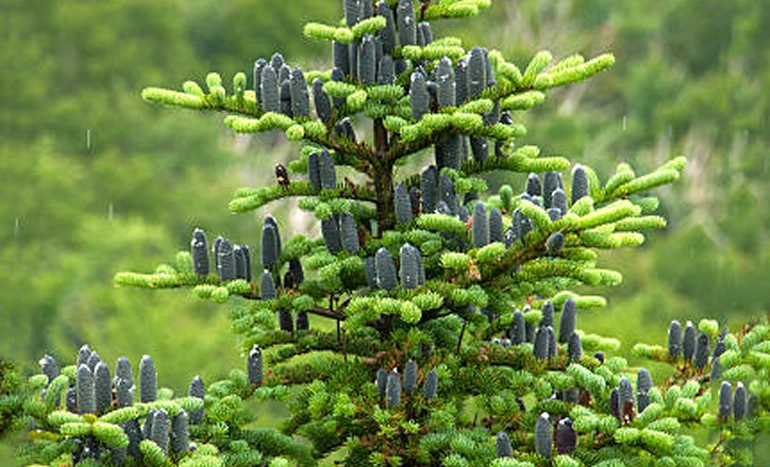
Babul Trees: Their Resilient Nature
Babul Trees: Their Resilient Nature
Cultural Significance
Traditional Uses
Ecological Role
Conservation Challenges
Community Engagement
Conclusion

Babul Tree Facts
Babul Tree Care
Babul Tree Timber Uses
Babul Tree Conservation
Babul Tree Medicinal Uses
Babul Tree Symbolism
Babul Tree Habitat
Babul Tree Growth Rate
Babul Tree Pruning
Babul Tree Flowering Season
Babul Tree Leaf Characteristics
Babul Tree Root System
Babul Tree Wildlife Habitat
Babul Tree Soil Requirements
Babul Tree Pest and Disease Management
Babul Tree Root Pruning
Babul Tree Indigenous Knowledge
Babul Tree Ethnobotany
Babul Tree Logging Practices
Babul Tree Cultural Heritage
FAQs
What is a Babul tree?
The Babul tree, scientifically known as Vachellia nilotica (formerly Acacia nilotica), is a thorny, deciduous tree native to the Indian subcontinent, Africa, and the Middle East. Revered for its medicinal properties, durable wood, and ecological significance, it holds cultural and economic importance in various regions.
Where are Babul trees commonly found?
Babul trees are commonly found across India, Pakistan, Nepal, and Bangladesh. They also occur in Africa, the Middle East, and Southeast Asia, thriving in arid and semi-arid climates along riverbanks, plains, and disturbed habitats.
What are the characteristics of Babul trees?
Babul trees have thorny branches, bipinnate leaves, and small yellowish flowers in spherical clusters. Their pods are rich in tannins and used in medicine, animal fodder, and soil stabilization.
How tall do Babul trees grow?
Babul trees grow between 5–10 meters (16–33 feet) tall, with a spreading canopy and dense foliage that provides shade and habitat for wildlife.
When do Babul trees bloom?
Babul trees bloom in spring, producing clusters of small, fragrant flowers that attract bees, butterflies, and other pollinators.
How to care for Babul trees?
Plant them in well-drained soil with full sunlight. Water regularly during dry seasons and mulch around the base to retain moisture. Prune to remove dead branches and maintain health.
What are the benefits of planting Babul trees?
Babul trees provide timber, improve soil fertility through nitrogen fixation, support biodiversity, and offer livelihood opportunities through sustainable forestry.
Can Babul trees tolerate drought?
Yes, Babul trees are highly drought-tolerant once mature, making them ideal for dry and semi-arid regions.
How long does it take for a Babul tree to mature?
Babul trees mature within several years, growing faster than many tree species and offering ecosystem benefits early in their life.
What is the lifespan of a Babul tree?
Under ideal conditions, Babul trees can live for several decades, contributing significantly to biodiversity and ecosystem balance.
Your Suggestions
Leave your message and we'll get back to you shortly.