

Shatavari Plant: Ayurvedic Elixir, Women\u2019s Health Ally, and Herbal Hero
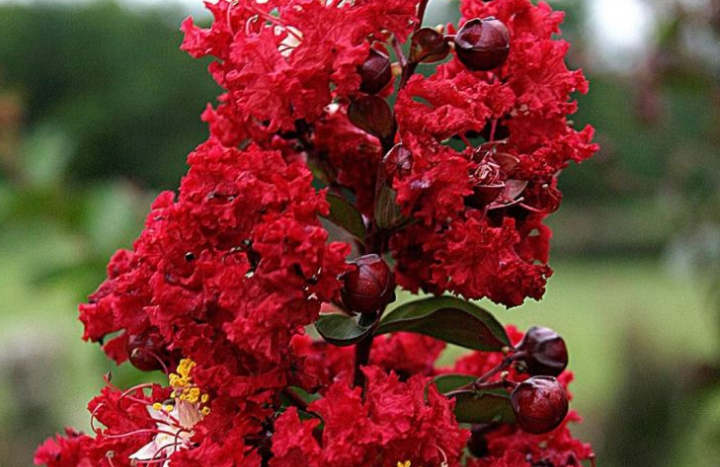
Aadusa Tree - Medicinal Plant

Shatavari Tree: Ayurvedic Elixir, Women’s Health Ally, and Herbal Wonder

The Shatavari Tree, scientifically known as Asparagus racemosus, is a cornerstone of Ayurvedic medicine, revered for its potent healing properties and profound impact on human health. Often called the “Queen of Herbs,” it is especially celebrated for supporting reproductive health and overall vitality.

Beyond its medicinal value, the Shatavari Tree contributes to environmental sustainability and enhances biodiversity in the regions where it grows.

Botanical Overview of the Shatavari Tree

The Shatavari is a climbing shrub native to India, Sri Lanka, and parts of Southeast Asia. It thrives in tropical and subtropical climates, with slender, feathery leaves and small white flowers.

Scientific Classification:
Kingdom: Plantae
Family: Asparagaceae
Genus: Asparagus
Species: Asparagus racemosus

Physical Characteristics:
Height: Climbs 1–2 meters (3–6 feet) using supports
Leaves: Needle-like, soft, resembling pine needles
Flowers: Small, fragrant, white, blooming in clusters
Roots: Thick, tuberous roots are the primary source of medicinal properties

Historical and Cultural Significance

  • Ancient Ayurvedic Medicine: Used for over 3,000 years as a Rasayana (rejuvenating herb) promoting longevity and vitality.
  • Symbol of Fertility: The name “Shatavari” means “one who possesses a hundred husbands,” highlighting its role in reproductive health.
  • Traditional Use: Roots treat hormonal imbalances, digestive issues, and general weakness.
  • Sacred Plant: Often grown near temples and homes for its healing and protective qualities.

Ecological Importance

  • Soil Enrichment: Deep roots improve soil structure and prevent erosion.
  • Drought Resistance: Thrives in arid conditions with minimal water.
  • Biodiversity Booster: Flowers attract pollinators and provide shelter for small insects.

Health Benefits and Medicinal Uses

  • Hormonal Balance: Adaptogenic properties help regulate hormones, beneficial for PMS and menopause.
  • Reproductive Health: Enhances fertility, supports lactation, and improves libido.
  • Immune Support: Rich in antioxidants like saponins, boosting immunity.
  • Digestive Health: Alleviates acidity and supports gut health.
  • Stress and Anxiety Relief: Reduces stress and improves mental clarity.
  • Anti-Inflammatory Properties: Helps manage arthritis and autoimmune disorders.

Fun Facts About the Shatavari Tree

- Known as the “Queen of Herbs” for its powerful benefits.
- Every part of the plant has medicinal value, from roots to leaves.
- Promotes youthfulness and longevity in Ayurveda.
- Thick roots store water, allowing survival in drought.
- Used to make tonics, powders, and herbal teas.

Growing and Caring for a Shatavari Tree

  • Climate: Tropical/subtropical with moderate to high humidity.
  • Soil: Well-drained sandy or loamy soil rich in organic matter.
  • Planting: Seeds or root cuttings; partial shade or full sun.
  • Watering: Minimal once established.
  • Pruning: Trim dead or overgrown vines to promote healthy growth.
  • Fertilization: Organic compost improves root development.

Modern Uses

  • Herbal Supplements: Powder, capsules, and extracts for hormonal balance.
  • Skincare Products: Anti-inflammatory and hydrating properties in natural products.
  • Functional Foods: Added to smoothies, teas, and health drinks.
  • Ayurveda and Holistic Healing: Used in treatments for reproductive and digestive health.

Environmental and Economic Impact

  • Sustainable Agriculture: Low-maintenance crop supporting eco-friendly farming.
  • Livelihood Opportunities: Cultivation provides income for farmers and rural communities.
  • Climate Resilience: Grows in arid regions, combating desertification and climate change.

Challenges and Conservation Efforts

  • Overharvesting: Excessive collection of roots has reduced wild populations.
  • Habitat Loss: Deforestation and land-use changes threaten its natural habitats.
  • Conservation Measures: Sustainable harvesting, farm cultivation, and reforestation projects.

Conclusion

The Shatavari Tree bridges traditional wisdom and modern wellness. From reproductive health to ecological sustainability, it continues to benefit human life and the environment. Cultivating and preserving Shatavari ensures a healthier, greener, and more sustainable future.

Aadusa Tree Leaves - Medicinal Properties
Aadusa Tree Plantation

Shatavari Tree: The Queen of Herbs for Health and Vitality

The Shatavari Tree (Asparagus racemosus) is a revered Ayurvedic herb celebrated for supporting hormonal balance, reproductive health, immunity, and overall wellness. It thrives in tropical and subtropical regions, making it both a medicinal and ecological treasure.

Benefits for Women

Shatavari balances hormones, eases menstrual discomfort, enhances fertility, and supports lactation. It’s like a natural life coach that helps women navigate their hormonal cycles with ease.

Benefits for Men

Beyond women’s health, Shatavari boosts vitality, stamina, and stress resilience in men, promoting overall wellness and energy.

Growing Shatavari at Home

Plant Shatavari in sandy or loamy soil with partial sun. With minimal care, it grows into a resilient, health-boosting herb, providing fresh leaves and roots for home remedies.

Shatavari Root Uses

The thick tuberous roots are rich in medicinal compounds. They are used in powders, teas, capsules, and tonics to enhance immunity, improve digestion, and support vitality.

Hormonal Balance

Shatavari’s adaptogenic properties help regulate hormones, alleviate PMS, menopause symptoms, and mood swings, maintaining equilibrium in the body.

Digestive Health

It soothes the digestive system, reduces bloating, acidity, and supports healthy gut bacteria, promoting overall digestive wellness.

Stress Relief and Immunity

Shatavari helps the body cope with stress while its antioxidants strengthen immunity, serving as a natural shield for the body.

Skin Care

Its cooling and rejuvenating properties hydrate the skin, promote a healthy glow, and reduce inflammation, making it ideal for natural skincare routines.

Shatavari Powder and Juice

Powdered Shatavari can be mixed into milk, smoothies, or teas to boost immunity, digestion, and vitality. Fresh Shatavari juice hydrates, energizes, and promotes overall health.

Traditional and Modern Uses

  • Ayurvedic tonic and Rasayana for longevity.
  • Herbal supplements for hormonal support and reproductive health.
  • Functional foods and drinks, enhancing wellness naturally.
  • Skincare applications due to anti-inflammatory and hydrating properties.

Conservation and Sustainability

Cultivating Shatavari promotes sustainable agriculture, provides income for rural communities, and supports biodiversity, making it both a medicinal and ecological asset.

Fun Facts

- Called the “Queen of Herbs” for its unmatched benefits.
- Every part of the plant, from roots to leaves, has medicinal value.
- Roots store water, helping it survive in drought.
- Used in teas, powders, juices, and herbal remedies.
- Bridges traditional Ayurvedic knowledge with modern wellness.

FAQs

What is Shatavari and why is it called an Ayurvedic elixir?

Shatavari (Asparagus racemosus) is celebrated in Ayurveda for its rejuvenating properties. Known as the “queen of herbs,” it supports hormonal balance, boosts immunity, and promotes vitality, making it a plant-based wellness powerhouse.

1

How can I grow Shatavari at home?

Shatavari grows best in well-drained sandy or loamy soil, with partial sun. With regular care and patience, it thrives as a resilient home-grown Ayurvedic herb.

2

What are the benefits of Shatavari for women?

Shatavari helps balance hormones, ease menstrual discomfort, enhance fertility, and support lactation. It acts as a natural wellness ally specifically for women’s health.

3

Can men use Shatavari too?

Yes! Shatavari enhances stamina, boosts vitality, and reduces stress in men, making it a universal herbal health booster.

4

How is Shatavari used in Ayurveda?

In Ayurveda, Shatavari is used as a Rasayana for longevity, reproductive health, immunity, and overall vitality. Its roots, leaves, and powders are incorporated into tonics and treatments.

5

What are the key benefits of Shatavari powder?

Shatavari powder supports immunity, digestion, hormonal balance, and stress relief. It can be added to milk, smoothies, or teas for a convenient wellness boost.

6

Can Shatavari help with hormonal balance?

Absolutely! Shatavari is an adaptogen that naturally regulates hormonal fluctuations, helping with PMS, menopause, and reproductive health.

7

Is Shatavari good for digestion?

Yes, it soothes the digestive system, reduces acidity, and promotes gut health, improving overall digestive wellness.

8

What are the skincare benefits of Shatavari?

Shatavari hydrates, cools, and rejuvenates the skin, promoting a natural glow and maintaining skin health.

9

Can Shatavari reduce stress?

Yes, its adaptogenic properties help the body cope with stress, promoting a calm and balanced mind naturally.

10

What is Shatavari juice good for?

Shatavari juice boosts energy, supports hydration, and promotes overall health as a refreshing Ayurvedic tonic.

11

How does Shatavari improve immunity?

Packed with antioxidants and nutrients, Shatavari strengthens the immune system, helping the body stay resilient and fight off illnesses.

12
logo
back top