

Black Alder Tree
Black Alder Tree: Unveiling the Secrets of Nature's Resilient Wonder
Black Alder Tree: Unveiling the Secrets of Nature's Resilient Wonder
Scientific Classification and Characteristics
Fun Facts about the Black Alder
Historical Significance
Ecological Impact
Grow Billion Trees Partners: A Commitment to Reforestation

Black Alder Tree: Unveiling the Secrets of Nature's Resilient Wonder
Black Alder Benefits
Historical Uses of Black Alder
Ecological Role of Black Alder
Black Alder Growth Rate
Cultural Significance of Black Alder
Habitat Versatility of Black Alder
Wildlife Support by Black Alder
Black Alder and Climate Change
Reforestation Efforts with Black Alder
Community Engagement in Tree Planting
Conservation Challenges for Black Alder
FAQs
What is the Black Alder tree?
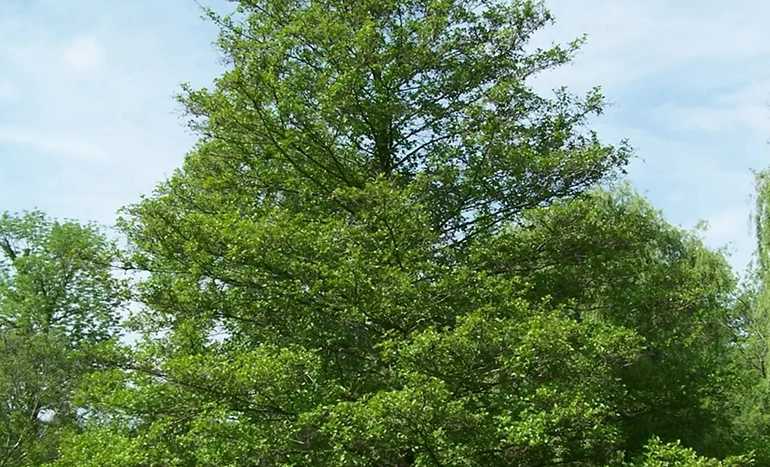
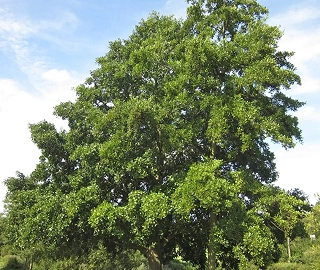
The Black Alder, or Alnus glutinosa, is a tall, versatile tree found in Europe, Asia, and North America. Known for its dark bark, lush foliage, and ecological prowess, it fixes nitrogen in the soil, making it a superstar in reforestation and land restoration.
How tall can a Black Alder grow?
The Black Alder can reach heights of 20-30 meters (65-98 feet). It’s like the tree equivalent of a skyscraper, providing ample shade and habitat for wildlife—a high-rise apartment building for birds and bugs!
What makes the Black Alder ecologically significant?
This pioneer species enriches soil with nitrogen through its symbiotic relationship with Frankia bacteria. By improving soil health, the Black Alder supports other plants and creates thriving ecosystems.
Can the Black Alder adapt to different environments?
Absolutely! While it thrives in wet, marshy areas, the Black Alder can also grow in drier soils. It’s highly versatile, providing a habitat for diverse wildlife in various ecosystems.
What wildlife benefits from the Black Alder?
The Black Alder provides food and shelter for birds, insects, and small mammals. Its lush canopy offers a perfect retreat for woodpeckers, songbirds, and other wildlife—a five-star hotel for nature’s critters!
What was the historical significance of the Black Alder?
Historically, the Black Alder was valued for its medicinal properties and durable wood. Bark and leaves were used to treat inflammation, and its wood was used for tools and water-resistant construction. A handy companion in ancient times!
How does the Black Alder help combat flooding?
Its root system stabilizes riverbanks and absorbs excess water during heavy rains, acting as a natural flood control system and protecting aquatic habitats.
Who is Grow Billion Trees Partners?
Grow Billion Trees Partners is a global reforestation organization aiming to plant a billion trees. They recognize species like the Black Alder as crucial for ecosystem restoration and climate change mitigation.
How does Grow Billion Trees Partners support local communities?
They engage local communities in tree planting, educating them on the benefits of reforestation. This ensures sustainable and culturally relevant initiatives.
What challenges does the Black Alder face?
The Black Alder faces habitat loss, climate change, and invasive species. Urbanization and agriculture threaten its survival, making conservation efforts critical.
Why is conservation important for the Black Alder?
Conservation protects the Black Alder and its ecosystems, preserving biodiversity and maintaining the balance of nature for future generations.
Your Suggestions
Leave your message and we'll get back to you shortly.