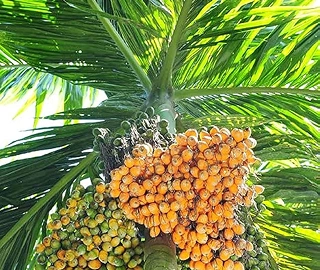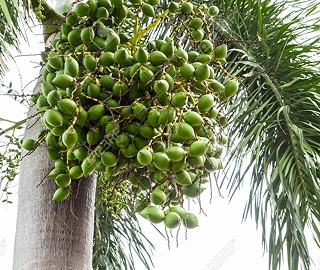

Betel Nut Palm Tree: The Hidden Treasures and Health Benefits You Never Knew!
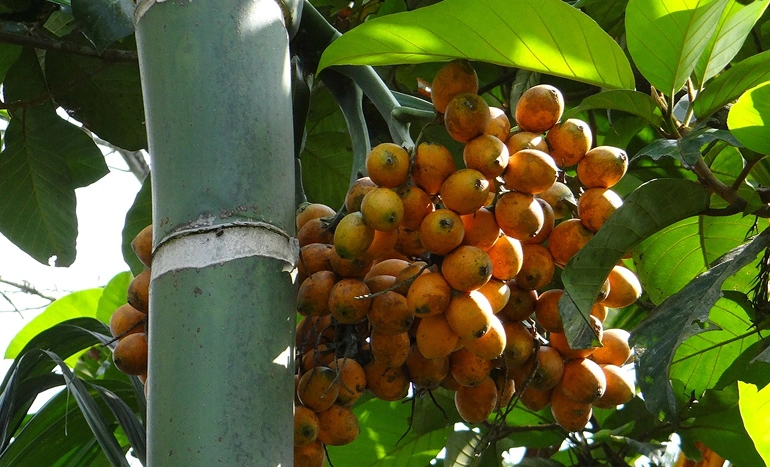
Aadusa Tree - Medicinal Plant

Betel Nut Palm Tree: The Hidden Treasures and Health Benefits

The Betel Nut Palm Tree, scientifically known as Areca catechu, is a tropical palm tree that has been a significant part of various cultures across Asia and the Pacific Islands for centuries. Beyond being a chewed stimulant, the tree harbors a wealth of hidden treasures and health benefits that are often overlooked.

In this blog, we will delve into the fascinating world of the Betel Nut Palm Tree, exploring its historical significance, environmental impact, health benefits, and the initiatives by organizations like Grow Billion Trees Partners that promote its cultivation and sustainability.

Historical Significance

Believed to have originated in the Indo-Malay region, the Betel Nut Palm has been cultivated for over 4,000 years. Chewing betel nut wrapped in leaves is a traditional practice in countries like India, Bangladesh, and Thailand, associated with hospitality, celebrations, and religious rituals. Ancient texts and Ayurvedic scriptures highlight its medicinal uses, illustrating its enduring cultural significance.

Scientific Data

Betel nut contains bioactive compounds, including alkaloids like arecoline, responsible for its stimulant effects. Research suggests arecoline can enhance cognitive function and mood. Additionally, the tree’s leaves, bark, and sap possess antimicrobial and astringent properties, useful in treating infections and skin conditions.

Health Benefits

  • Digestive Aid: Stimulates saliva and digestive enzymes, aiding food breakdown.
  • Oral Health: Antimicrobial properties help reduce bad breath and promote healthy gums.
  • Energy Booster: Provides a quick stimulant effect.
  • Anti-inflammatory: Certain compounds may help reduce inflammation.
  • Potential Cancer-Fighting Properties: Some compounds are under study for anti-cancer effects.

Fun Facts About Betel Nut Palm Trees

  • Longevity: Can live up to 100 years.
  • Height: Can grow up to 30 meters tall.
  • Global Cultivation: Found mainly in Asia, also in Africa, the Caribbean, and South America.
  • Varieties: Several varieties with distinct flavors, from sweet to bitter.
  • Cultural Symbolism: Represents prosperity and good fortune in ceremonies and rituals.

Environmental Impact

Betel Nut Palm Trees support biodiversity by providing habitat and food for wildlife. Their deep roots prevent soil erosion and improve soil health. Unsustainable monoculture practices, however, can cause deforestation and reduce biodiversity, highlighting the need for responsible cultivation.

Grow Billion Trees Partners: Promoting Sustainable Cultivation

Organizations like Grow Billion Trees Partners promote sustainable practices, reforestation, and biodiversity conservation. By training local farmers in agroforestry, sustainable techniques, and diversification, they balance economic benefits with environmental responsibility. These initiatives also raise awareness about the health benefits and sustainable use of Betel Nut resources.

Conclusion

The Betel Nut Palm Tree is more than a stimulant source; it is a multifaceted resource with historical, cultural, medicinal, and environmental importance. Promoting sustainable practices ensures ecosystems are protected and local communities benefit economically. Recognizing the hidden treasures of this remarkable tree allows future generations to enjoy its benefits responsibly.

Aadusa Tree in Ayurvedic Medicine
Aadusa Tree Environmental Benefits

Betel Nut Palm Tree: Hidden Treasures and Health Benefits

The Betel Nut Palm Tree, scientifically known as Areca catechu, is a tropical palm that has been part of Asian and Pacific Island cultures for centuries. Beyond being a chewed stimulant, this tree offers numerous hidden treasures and health benefits that are often overlooked.

Betel Nut Benefits

The Betel Nut Palm Tree aids digestion, boosts energy, and contains bioactive compounds that enhance cognitive function. While moderation is key to avoid adverse effects, it provides oral health support, digestive stimulation, and a natural energy lift.

Cultural Significance

In many Asian cultures, the betel nut is more than a snack; it’s a cultural icon. Used in ceremonies, hospitality, and religious rituals, it represents tradition, prosperity, and social connection. Every betel nut chewed connects people to a rich heritage and history.

Sustainable Cultivation

Organizations like Grow Billion Trees Partners promote sustainable farming of Betel Nut Palm Trees. By integrating betel nut cultivation with other crops, farmers can boost biodiversity, improve soil health, and maintain economic and environmental balance.

Historical Roots

The Betel Nut Palm Tree has a history of over 4,000 years, originating in the Indo-Malay region. It has been cherished for its psychoactive properties and medicinal uses, mentioned in ancient Ayurvedic texts. Chewing the betel nut connects us to a rich legacy spanning millennia.

Environmental Impact

Betel Nut Palm Trees help maintain biodiversity, prevent soil erosion with their deep roots, and support tropical ecosystems. However, unsustainable monoculture practices can cause deforestation and ecological degradation. Responsible cultivation balances economic benefits with environmental protection.

Nutritional Value

The betel nut is a nutritional powerhouse, containing bioactive compounds that support oral health, digestion, and overall well-being. While primarily a stimulant, it offers valuable health perks when consumed in moderation.

Agroforestry Integration

The Betel Nut Palm Tree thrives in agroforestry systems, where it is intercropped with other crops to enhance soil fertility, support biodiversity, and boost farmers’ incomes. This approach creates a resilient, productive, and environmentally friendly farming ecosystem.

Medicinal Uses

The tree’s leaves and bark possess medicinal properties used in traditional remedies. From treating infections to promoting wound healing, these parts of the palm serve as a natural pharmacy, complementing the benefits of the betel nut itself.

Psychoactive Properties

Compounds like arecoline in the betel nut provide stimulating effects. While they can boost energy and alertness, excessive consumption can lead to health risks, including oral cancer. Moderation ensures safe and beneficial use.

Culinary Uses

Beyond chewing, betel leaves and nuts are used in traditional recipes for flavoring, garnishing, and creating unique culinary experiences. They add an exotic touch to dishes while connecting food to cultural heritage.

Economic Importance

The Betel Nut Palm Tree is an economic asset, providing sustainable income for farmers through nut sales, cultivation, and related industries. Its high demand and long lifespan make it a valuable source of livelihood for communities in tropical regions.

Betel Nut Palm Tree: Hidden Treasures and Health Benefits

The Betel Nut Palm Tree, scientifically known as Areca catechu, is a tropical palm that has been part of Asian and Pacific Island cultures for centuries. Beyond being a chewed stimulant, this tree offers numerous hidden treasures and health benefits that are often overlooked.

Betel Nut Benefits

The Betel Nut Palm Tree aids digestion, boosts energy, and contains bioactive compounds that enhance cognitive function. While moderation is key to avoid adverse effects, it provides oral health support, digestive stimulation, and a natural energy lift.

Cultural Significance

In many Asian cultures, the betel nut is more than a snack; it’s a cultural icon. Used in ceremonies, hospitality, and religious rituals, it represents tradition, prosperity, and social connection. Every betel nut chewed connects people to a rich heritage and history.

Sustainable Cultivation

Organizations like Grow Billion Trees Partners promote sustainable farming of Betel Nut Palm Trees. By integrating betel nut cultivation with other crops, farmers can boost biodiversity, improve soil health, and maintain economic and environmental balance.

Historical Roots

The Betel Nut Palm Tree has a history of over 4,000 years, originating in the Indo-Malay region. It has been cherished for its psychoactive properties and medicinal uses, mentioned in ancient Ayurvedic texts. Chewing the betel nut connects us to a rich legacy spanning millennia.

Environmental Impact

Betel Nut Palm Trees help maintain biodiversity,

FAQs

What is the Betel Nut Palm Tree?

The Betel Nut Palm Tree, or Areca catechu, is a tropical palm whose nuts are chewed as a stimulant. Beyond its culinary use, it has a rich history and numerous health benefits, making it significant for both cultural and medicinal purposes.

What are the health benefits of betel nut?

Betel nut aids digestion, boosts energy, promotes oral hygiene, and has antimicrobial properties. Some compounds may have anti-inflammatory effects and potential cancer-fighting properties. Moderation is essential to avoid adverse effects.

How long do Betel Nut Palm Trees live?

Betel Nut Palm Trees can live up to 100 years, providing a long-term income source for farmers while contributing to tropical ecosystems.

Where is the Betel Nut Palm Tree cultivated?

Primarily cultivated in Asia, Betel Nut Palm Trees are also grown in parts of Africa, the Caribbean, and South America. Their adaptability makes them a globally significant crop.

What is the historical significance of betel nut?

Betel nut has been culturally important for over 4,000 years, used in social and ceremonial practices, rituals, and traditional medicine across Asia, symbolizing hospitality and celebration.

Are there different varieties of betel nut?

Yes, Betel Nut Palm Trees have several varieties, each with unique flavors ranging from sweet to bitter, supporting diverse culinary and cultural uses.

What are the environmental impacts of cultivating betel nut?

While Betel Nut Palm Trees enhance biodiversity and prevent soil erosion, commercial cultivation can cause deforestation and habitat loss. Sustainable practices are vital to balance economic benefits with environmental health.

How does Grow Billion Trees Partners promote sustainability?

They promote sustainable cultivation through reforestation, community training, and eco-friendly farming methods that protect the environment while boosting farmer productivity.

What are the antimicrobial properties of betel nut?

The leaves and bark have antimicrobial properties that can treat infections and improve oral health. Chewing the nut helps reduce bad breath and promote gum health.

Can betel nut be harmful?

Excessive consumption can cause health issues, including oral cancer. Consuming in moderation ensures benefits without adverse effects.

How can betel nut be integrated into agroforestry?

Betel nut can be intercropped with other plants to create a diverse ecosystem. This approach improves soil health and increases farmers’ income through diversified harvests.

logo
back top