

Indian Willow Tree: Unveiling the Secrets of Nature's Cricket Bat Marvel

Indian Willow Tree

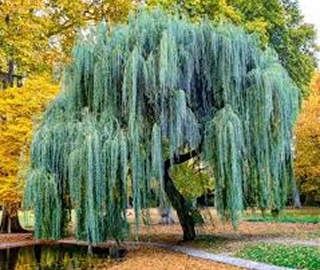
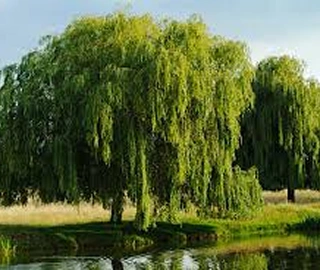
The Indian Willow tree, scientifically known as Salix alba var. vitellina, is more than just a tree; it's a crucial component of the cricketing world, revered for its lightweight yet durable wood, which is the preferred choice for crafting cricket bats.

This blog delves into the secrets of the Indian Willow tree, exploring its biology, historical significance, environmental impact, and its role in the cricketing industry.

We will also highlight the efforts of organizations like Grow Billion Trees Partners, who are dedicated to promoting the cultivation and conservation of this remarkable species.

Understanding the Indian Willow Tree

The Indian Willow tree is a deciduous tree that belongs to the Salicaceae family. It thrives in the temperate regions of the Indian subcontinent, particularly in the northern states, where the climate is conducive to its growth.

The tree can grow up to 30 meters tall, with a trunk diameter of about 1 meter. Its bark is smooth and grayish-brown, while its leaves are long, slender, and lanceolate, measuring between 6 to 10 cm in length.

One of the remarkable features of the Indian Willow is its rapid growth rate. It can grow up to 2 meters per year under optimal conditions, making it a sustainable source of timber.

The wood is lightweight and possesses excellent shock-absorbing properties, which makes it ideal for crafting cricket bats. The unique fibrous structure of the wood allows it to withstand the impact of a cricket ball, providing players with the perfect balance of power and control.

Historical Significance

The use of Indian Willow for cricket bats dates back to the 19th century. Initially, cricket bats were made from different types of wood, including ash and hickory.

However, as cricket gained popularity in India, manufacturers began to experiment with local timber. The discovery of Indian Willow's properties led to its adoption as the primary material for cricket bats.

In the early 20th century, companies like Gray-Nicolls and Gunn & Moore began to produce cricket bats from Indian Willow, which quickly gained a reputation for their quality.

The wood's unique characteristics, such as its lightweight nature and resilience, made it a favorite among players. Legendary cricketers like Sachin Tendulkar and Brian Lara have used bats made from Indian Willow, further cementing its status in the cricketing world.

Scientific Data and Fun Facts

The Indian Willow tree is not just significant for its wood; it also plays an essential role in the ecosystem. Here are some scientific data and fun facts about the Indian Willow:

  • Photosynthesis: Like all trees, Indian Willow plays a crucial role in photosynthesis, absorbing carbon dioxide and releasing oxygen. A mature tree can absorb up to 48 pounds of CO2 annually.
  • Habitat: The Indian Willow provides habitat and food for various wildlife species, including birds, insects, and small mammals. Its flowers attract pollinators, contributing to biodiversity.
  • Medicinal Properties: The bark and leaves of the Indian Willow have been used in traditional medicine for their anti-inflammatory and analgesic properties.
  • Growth Rate: Indian Willow can reach maturity in approximately 10 to 15 years, making it a sustainable resource for bat manufacturers.
  • Durability: The wood of Indian Willow is known for its resilience. It can withstand the impact of a cricket ball without splintering, which is essential for high-performance bats.

Environmental Impact

The Indian Willow tree plays a vital role in maintaining ecological balance. Its extensive root system helps prevent soil erosion, especially in riverbanks and flood-prone areas. The tree also contributes to groundwater recharge, which is crucial for maintaining the water table in agricultural regions.

Moreover, the Indian Willow tree's ability to sequester carbon makes it an essential ally in the fight against climate change. By planting more Indian Willows, we can enhance carbon capture, helping to mitigate the effects of global warming.

However, the over-exploitation of Indian Willow for cricket bat production has raised concerns about sustainability. Deforestation and unsustainable harvesting practices can lead to habitat loss and threaten the species. This is where organizations like Grow Billion Trees Partners come into play.

Grow Billion Trees Partners: Cultivating a Sustainable Future

Grow Billion Trees Partners is an organization dedicated to promoting reforestation and sustainable tree farming practices. Their mission aligns with the need to preserve the Indian Willow tree and ensure its availability for future generations.

The organization collaborates with local communities, schools, and businesses to execute and promote tree-planting projects across India.

One of their significant initiatives involves educating local farmers about the benefits of cultivating Indian Willow. By providing training on sustainable farming practices, they empower communities to grow trees that can provide economic benefits through the sale of timber while also contributing to environmental conservation.

Grow Billion Trees Partners also engages in awareness campaigns to highlight the importance of Indian Willow and other native species. They organize community events, workshops, and seminars to educate the public about the ecological significance of trees and the need for reforestation.

Through these initiatives, they aim to create a culture of conservation that values trees not only for their economic benefits but also for their role in sustaining life on Earth.

Challenges and Future Prospects

Despite the efforts of organizations like Grow Billion Trees Partners, the Indian Willow tree faces several challenges. Urbanization, deforestation, and changing climate patterns pose significant threats to its natural habitat. Additionally, the demand for cricket bats continues to rise, putting pressure on existing willow populations.

To ensure the sustainability of the Indian Willow tree, it is essential to adopt responsible harvesting practices and promote the cultivation of new trees. This can be achieved through community engagement, education, and collaboration with local governments and organizations. The future of the Indian Willow tree depends on our collective efforts to protect and preserve this invaluable resource.

Conclusion

The Indian Willow tree is a remarkable species, intricately linked to the world of cricket and the environment. Its lightweight, durable wood has become synonymous with high-quality cricket bats, while its ecological contributions cannot be overlooked.

As we celebrate the legacy of Indian Willow, it is crucial to recognize the importance of sustainable practices and reforestation efforts led by organizations like Grow Billion Trees Partners.

By understanding and appreciating the Indian Willow tree, we can take steps towards its conservation, ensuring that it continues to thrive for generations to come. Let us work together to unveil the secrets of nature's cricket bat marvel and foster a sustainable future for our planet.

Call to Action

Join the movement to protect the Indian Willow tree and other vital species. Support local reforestation initiatives, participate in tree-planting events, and spread awareness about the importance of sustainability. Together, we can make a difference and ensure that nature's cricket bat marvel continues to flourish.

Indian Cork Fig Fruits
Indian Cork Fig Tree

FAQ

What is the Indian Willow tree?

The Indian Willow tree, or Salix alba var. vitellina, is a deciduous wonder known for its lightweight yet durable wood, making it a cricket bat superstar. It thrives in the Indian subcontinent and can grow up to 30 meters tall, providing both ecological benefits and exceptional bat-making material.

01

Why is Indian Willow used for cricket bats?

Indian Willow's lightweight and shock-absorbing properties make it the go-to choice for cricket bats. Its unique fibrous structure allows players to unleash power while maintaining control, making it a favorite among legends like Sachin Tendulkar. Who wouldn't want a bat that feels like an extension of their arm?

02

How fast does the Indian Willow tree grow?

Under optimal conditions, the Indian Willow tree can grow up to 2 meters per year. Talk about a fast-growing friend! This rapid growth not only makes it a sustainable timber source but also adds a touch of greenery to our world, one meter at a time.

03

What are the environmental benefits of the Indian Willow tree?

The Indian Willow tree plays a key role in maintaining ecological balance. Its extensive roots prevent soil erosion and contribute to groundwater recharge. Plus, it captures carbon, helping fight climate change. Who knew a cricket bat tree could be such an eco-warrior?

04

What are the medicinal properties of Indian Willow?

The bark and leaves of the Indian Willow have been used in traditional medicine for their anti-inflammatory and analgesic properties. So while it's smashing sixes on the field, it's also been a soothing herbal remedy off it. Talk about multi-tasking!

05

How did Indian Willow become popular for cricket bats?

The Indian Willow's journey to bat fame began in the 19th century when manufacturers experimented with local timber. Its lightweight nature and resilience quickly made it a favorite, with iconic brands like Gray-Nicolls leading the charge. History was made one bat at a time!

06

What challenges does the Indian Willow tree face?

Despite its cricket bat fame, the Indian Willow tree faces threats from urbanization, deforestation, and climate change. The rising demand for cricket bats puts pressure on its populations. It's a tough world out there for our beloved willow, but we can help!

07

What is Grow Billion Trees Partners?

Grow Billion Trees Partners is an organization on a mission to promote reforestation and sustainable practices for the Indian Willow tree. They empower local communities with training and awareness campaigns, ensuring that this cricket bat marvel continues to thrive for future generations. Talk about a green initiative!

08

How long does it take for Indian Willow to mature?

The Indian Willow tree reaches maturity in about 10 to 15 years. This quick turnaround makes it a sustainable resource for bat manufacturers and a great ally in reforestation efforts. Who knew waiting could be so rewarding?

09

What is the significance of Indian Willow in cricket history?

Indian Willow has been the wood of choice for cricket bats since the 19th century, thanks to its unique properties. Legendary players have wielded bats made from this tree, cementing its status as a cricketing icon. It's not just wood; it's history in every swing!

10

How can I support the conservation of Indian Willow?

You can support the conservation of the Indian Willow tree by participating in local reforestation initiatives and spreading awareness about its ecological importance. Every tree planted is a step toward sustainability. Together, we can ensure that this cricket bat marvel flourishes for generations to come!

11

What makes Indian Willow wood ideal for cricket bats?

Indian Willow wood is the perfect match for cricket bats due to its lightweight nature and excellent shock absorption. The unique fibrous structure allows it to withstand high-impact hits without splintering, giving players the perfect blend of power and control. It's like nature's own performance-enhancing material!

12
logo
back top