

Indian Screw Pine Tree: Unveiling the Mysteries, Benefits, and Cultural Significance of This Unique Coastal Wonder
Indian Screw Pine Tree

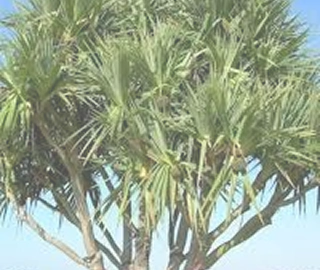
The Indian Screw Pine Tree, scientifically known as Pandanus fascicularis, is a remarkable coastal plant that has captivated the attention of botanists, ecologists, and cultural enthusiasts alike. This unique tree, characterized by its spirally arranged leaves and distinctive fruit, is not just a visual delight but also plays a vital role in coastal ecosystems, traditional practices, and local economies.

Understanding the Indian Screw Pine Tree

The Indian Screw Pine is native to the tropical and subtropical regions of the Indian Ocean, particularly along the coasts of India, Sri Lanka, and the Maldives. It thrives in sandy, saline environments, making it a common sight on beaches and coastal dunes. The tree can grow up to 10 meters tall and is characterized by its long, narrow leaves that can reach lengths of 1 meter. The leaves are sharp-edged, which helps deter herbivores, and they have a unique screw-like arrangement, giving the tree its name.

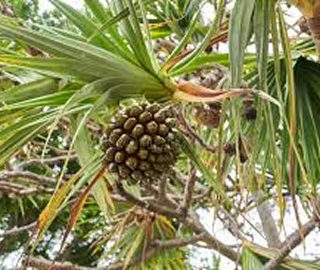
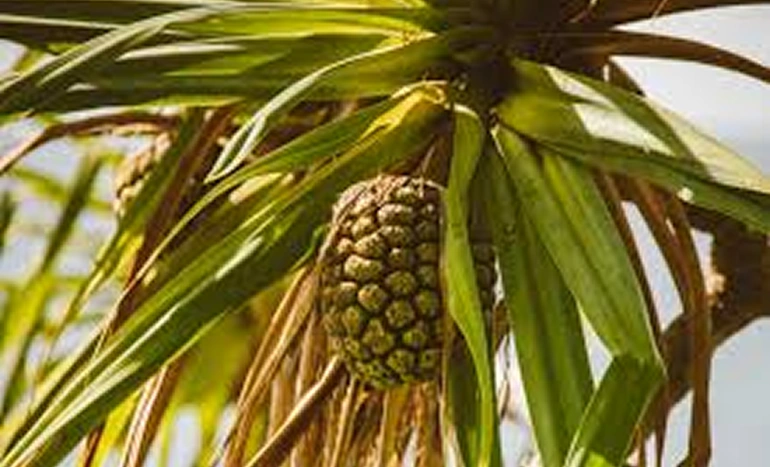
One of the most striking features of the Indian Screw Pine is its fruit, which resembles a pineapple and is made up of multiple drupes. The fruit is not only visually appealing but also serves as a food source for various birds and animals. Additionally, the tree produces aerial roots that help stabilize the sandy soil, preventing erosion and maintaining the integrity of coastal ecosystems.

Ecological Importance

The Indian Screw Pine plays a crucial role in coastal ecosystems. Its extensive root system helps prevent soil erosion, especially in areas prone to tidal surges and storms. By stabilizing the sand, the tree contributes to the formation of coastal dunes, which serve as natural barriers against wave action. This protective function is vital for the survival of many coastal species and habitats.

Furthermore, the tree provides habitat and food for a variety of wildlife. Birds, insects, and small mammals rely on the Indian Screw Pine for shelter and sustenance. The fruit, rich in nutrients, attracts various bird species, which in turn aid in the dispersal of seeds, promoting biodiversity in the region.

Cultural Significance

In addition to its ecological benefits, the Indian Screw Pine holds significant cultural importance in many coastal communities. Traditionally, the leaves of the screw pine have been used for thatching roofs, weaving mats, and crafting baskets. The durability and flexibility of the leaves make them ideal for various artisanal crafts, supporting local economies and preserving traditional skills.

Moreover, the fruit of the Indian Screw Pine is consumed in some regions. While not widely known outside of its native range, the fruit is used in local cuisines and is believed to have medicinal properties. It is often utilized in traditional remedies for ailments such as digestive issues and skin conditions.

Historically, the Indian Screw Pine has been associated with various cultural practices and beliefs. In some coastal communities, it is considered a sacred tree, symbolizing resilience and protection. Its presence is often linked to folklore and local legends, further embedding it into the cultural fabric of the region.

Environmental Impact

The environmental impact of the Indian Screw Pine extends beyond its role in coastal stabilization. As a native species, it contributes to the overall health of coastal ecosystems by supporting biodiversity. However, the introduction of non-native species can pose a threat to the Indian Screw Pine's habitat. Invasive species can outcompete native plants for resources, leading to a decline in the populations of indigenous flora and fauna.

Conservation efforts are essential to ensure the survival of the Indian Screw Pine and its associated ecosystems. Organizations like Grow Billion Trees Partners play a pivotal role in promoting reforestation and conservation initiatives in coastal regions. By partnering with local communities, they execute projects aimed at planting and nurturing native species, including the Indian Screw Pine, to restore degraded coastal habitats.

Grow Billion Trees Partners: A Catalyst for Change

Grow Billion Trees Partners is an organization dedicated to environmental conservation and sustainable development. Their mission is to plant one billion trees globally, focusing on native species that contribute to local ecosystems. In regions where the Indian Screw Pine is indigenous, they have implemented various projects that aim to promote the growth and preservation of this unique tree.

Through community engagement and education, Grow Billion Trees Partners empowers local populations to understand the importance of the Indian Screw Pine and its ecological benefits. They provide training on sustainable harvesting practices for the leaves and fruit, ensuring that traditional crafts can continue without depleting the natural resource.

Moreover, the organization collaborates with local governments and NGOs to create awareness about the significance of coastal ecosystems and the threats posed by climate change. By advocating for policies that protect native species and their habitats, Grow Billion Trees Partners contributes to the long-term sustainability of coastal environments.

Fun Facts About the Indian Screw Pine

  • The Indian Screw Pine is not actually a pine tree; it belongs to the Pandanaceae family, which is more closely related to the screw pine family than traditional conifers.
  • The tree is known for its unique aerial roots, which can grow several meters long and descend into the ground, providing additional support and stability.
  • In some cultures, the leaves of the Indian Screw Pine are used in traditional rituals and ceremonies, symbolizing protection and prosperity.
  • The fruit of the Indian Screw Pine is often used in local culinary dishes, adding a unique flavor to traditional recipes.
  • The tree is also known for its ability to tolerate saline conditions, making it a resilient species in coastal environments.

Conclusion

The Indian Screw Pine Tree is a fascinating and essential component of coastal ecosystems, offering numerous ecological, cultural, and economic benefits. Its unique adaptations to sandy, saline environments make it a resilient species that plays a vital role in stabilizing coastlines and supporting biodiversity.

As we face the challenges of climate change and habitat degradation, the conservation of native species like the Indian Screw Pine becomes increasingly important. Organizations like Grow Billion Trees Partners are at the forefront of these conservation efforts, promoting awareness and action to protect this coastal wonder.

By working with local communities and fostering sustainable practices, they ensure that the Indian Screw Pine and its associated ecosystems thrive for generations to come. As we unveil the mysteries and significance of the Indian Screw Pine, let us commit to preserving this unique tree and the rich biodiversity it supports.

Indian Cork Fig Fruits
Indian Cork Fig Tree

FAQ

What is the Indian Screw Pine Tree?

The Indian Screw Pine Tree, or Pandanus fascicularis, is a coastal wonder with spirally arranged leaves and a fruit that looks like a pineapple. It thrives in sandy, saline environments, making it a vital player in coastal ecosystems, traditional practices, and local economies.

01

Where does the Indian Screw Pine grow?

This tropical beauty flourishes along the coasts of India, Sri Lanka, and the Maldives. You'll find it happily growing in sandy, saline areas, where it stabilizes dunes and provides a home for coastal wildlife. It's the beach's best-kept secret!

02

What are the ecological benefits of the Indian Screw Pine?

The Indian Screw Pine is a superhero for coastal ecosystems! Its extensive root system prevents soil erosion, stabilizes sandy beaches, and provides habitat for diverse wildlife. It's like nature's own bouncer, keeping the coast safe and sound!

03

How does the Indian Screw Pine contribute to local economies?

This tree is not just a pretty face; it supports local economies too! Its leaves are used for thatching roofs and crafting baskets, while its fruit finds its way into local cuisines. Talk about a multitasker that brings both beauty and bucks!

04

Is the fruit of the Indian Screw Pine edible?

Yes, indeed! The fruit of the Indian Screw Pine is not just for show; it's a tasty treat in local cuisines. While it may not be a household name outside its native range, its unique flavor and potential medicinal properties make it a culinary gem.

05

What traditional uses does the Indian Screw Pine have?

The Indian Screw Pine has a rich cultural history! Its leaves are woven into mats, baskets, and used for thatching roofs, showcasing traditional craftsmanship. It's a tree that weaves itself into the very fabric of coastal communities, literally and figuratively!

06

How does the Indian Screw Pine help with coastal stabilization?

Think of the Indian Screw Pine as Mother Nature's architect! Its deep roots hold sandy soil together, preventing erosion and forming natural barriers against waves. It's like a coastal bodyguard, ensuring the shoreline stays intact amidst the elements.

07

What are the challenges faced by the Indian Screw Pine?

While the Indian Screw Pine is tough, it faces challenges from invasive species that threaten its habitat. These interlopers can outcompete native plants, leading to a decline in biodiversity. It's a classic case of "not all guests are welcome" in the coastal ecosystem!

08

How does Grow Billion Trees Partners support the Indian Screw Pine?

Grow Billion Trees Partners is on a mission to plant one billion trees, including the Indian Screw Pine! They engage local communities in conservation efforts, promoting sustainable practices and raising awareness about the importance of this coastal gem.

09

What makes the Indian Screw Pine unique?

The Indian Screw Pine is unique in more ways than one! It's not a true pine, boasts aerial roots that reach for the ground, and its fruit resembles a pineapple. With its resilience in saline conditions, this tree is truly a marvel of nature's creativity!

10

Why is conservation of the Indian Screw Pine important?

Conserving the Indian Screw Pine is crucial for maintaining coastal ecosystems. As climate change and habitat degradation threaten biodiversity, protecting this resilient species ensures the health of coastal environments. It's a tree that deserves our attention and care for future generations!

11
logo
back top