


Vanilla Tree
Vanilla Tree: Unlocking the Secrets to Growing Your Own Flavorful Paradise
Understanding Vanilla: The Basics
Historical Context: A Journey Through Time
Growing Vanilla: A Step-by-Step Guide
- Choosing the Right Environment: Vanilla thrives in warm, humid conditions. Ideally, the temperature should be between 70°F to 90°F (21°C to 32°C). If you live in a cooler climate, consider growing vanilla indoors or in a greenhouse.
- Soil Requirements: Use a well-draining potting mix enriched with organic matter. A mixture of peat moss, bark, and perlite works well. Vanilla orchids prefer slightly acidic soil with a pH of 6.0 to 7.0.
- Planting: Vanilla can be grown from cuttings. Choose healthy, mature cuttings with at least two nodes. Plant them vertically in the potting mix, ensuring the nodes are buried.
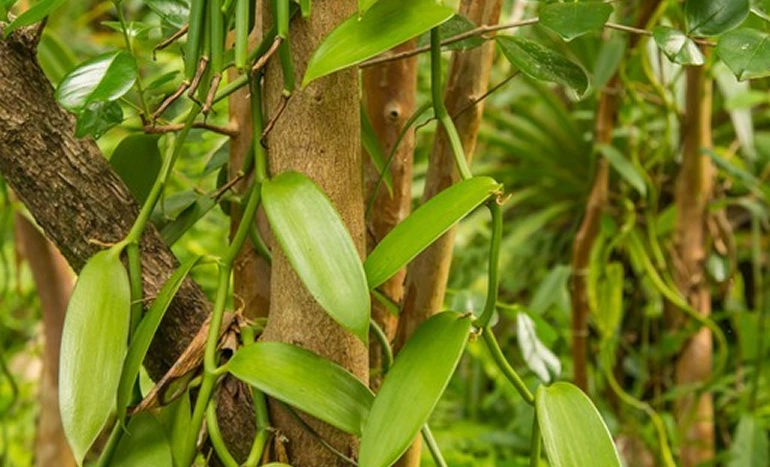
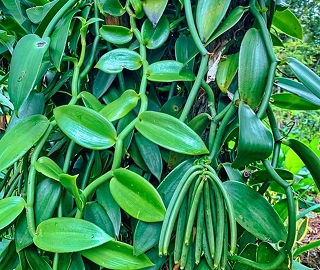
- Support Structures: As a climbing vine, vanilla requires support. Use trellises, stakes, or even other plants to provide the necessary structure for growth.
- Watering: Keep the soil consistently moist but not soggy. Water the plant thoroughly, allowing excess water to drain. During the growing season, mist the leaves regularly to maintain humidity.
- Fertilization: Feed your vanilla plant with a balanced fertilizer every month during the growing season. Organic options like fish emulsion or seaweed extract work wonders.
- Pollination: If you're growing vanilla indoors, you'll need to hand-pollinate the flowers. Use a small stick or toothpick to transfer pollen from the anther to the stigma of the flower. This process is crucial for pod development.
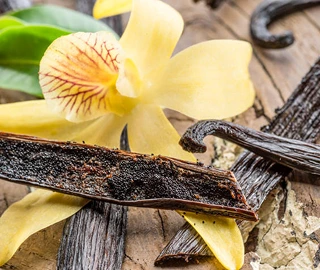
- Curing the Pods: Once the pods are mature, they need to be harvested and cured. This process involves blanching, sweating, drying, and conditioning the pods to develop their flavor.
Scientific Insights: The Chemistry of Flavor
Environmental Impact: The Sustainability of Vanilla Cultivation
Grow Billion Trees: A Partner in Sustainability
Fun Facts About Vanilla
- Vanilla is the second most expensive spice in the world, after saffron, due to its labor-intensive cultivation process.
- Vanilla orchids bloom for only one day, and if not pollinated within that time frame, the flower will wilt and fall off.
- Vanilla-flavored products often contain synthetic vanillin, which is derived from lignin or guaiacol, rather than real vanilla.
- In addition to culinary uses, vanilla has been used in traditional medicine for its calming properties.
Conclusion: Your Journey to a Flavorful Paradise
Vanilla Cultivation
Vanilla History
Sustainable Vanilla
Vanilla Flavor Profile
Vanilla Pollination
Vanilla Curing
Environmental Impact
Grow Billion Trees
Vanilla Economics
Vanilla in Medicine
Vanilla Myths
FAQ
What is vanilla and why is it called the "queen of spices"?
Vanilla, derived from the pods of the vanilla orchid, is a beloved flavor that reigns supreme in culinary delights and fragrances. Its sweet, creamy aroma captivates the senses, earning it the royal title of "queen of spices." Who wouldn't want to indulge in a flavor fit for royalty?
01
How do I grow vanilla at home?
Growing vanilla at home is like nurturing a diva! Start by providing a warm, humid environment, rich soil, and a sturdy support structure. Remember to hand-pollinate those delicate flowers and pamper them with regular watering and fertilization. With a little patience, you'll have your own vanilla paradise!
02
What are the soil requirements for vanilla?
Vanilla loves a well-draining potting mix, enriched with organic matter. A blend of peat moss, bark, and perlite will make it feel right at home. Aim for slightly acidic soil with a pH of 6.0 to 7.0. Think of it as creating the perfect spa day for your vanilla plant!
03
Why is hand-pollination necessary for vanilla?
Ah, the romance of vanilla! Each flower blooms for just one day, requiring a little human intervention to ensure pollination. Use a small stick to transfer pollen from the anther to the stigma. Without this delicate touch, you'll miss out on those luscious pods. It's a love story in the garden!
04
How long does it take for vanilla pods to mature?
Patience is key in the world of vanilla! After pollination, it takes about 8 to 9 months for those precious pods to mature. Think of it as a waiting game where the reward is a burst of flavor that's worth every second. Good things come to those who wait!
05
What is the process for curing vanilla pods?
Curing vanilla pods is like giving them a spa treatment! After harvesting, the pods undergo blanching, sweating, drying, and conditioning. This intricate process develops their rich flavor and aroma, transforming them from green to those dark, fragrant beauties we adore. It's a labor of love!
06
Where does vanilla originate from?
Vanilla's roots trace back to Mexico, where the Totonac people first cultivated it. The Aztecs later embraced this aromatic treasure, using it to flavor chocolate drinks. Spanish conquistadors recognized its value and transported it to Europe, where it became a luxury item. Talk about a flavor with a royal lineage!
07
What challenges does the vanilla industry face?
The vanilla industry isn't all sweet; it faces significant challenges like climate change, deforestation, and labor issues. Traditional farming practices can harm biodiversity and contribute to environmental woes. Sustainable cultivation is essential to ensure that this beloved spice continues to thrive for future generations. We need to spice things up sustainably!
08
How can I support sustainable vanilla farming?
You can support sustainable vanilla farming by choosing ethically sourced products and advocating for fair trade practices. Partnering with organizations like Grow Billion Trees helps promote agroforestry and sustainable methods. Your choices can create a ripple effect, benefiting farmers and the environment. It's a win-win for all!
09
What are some fun facts about vanilla?
Vanilla is the second most expensive spice after saffron, thanks to its labor-intensive cultivation. The flowers bloom for just one day—if not pollinated, they wilt faster than your enthusiasm for a failed recipe! Plus, many vanilla-flavored products contain synthetic vanillin. Real vanilla is a rare gem worth savoring!
10
Why is vanilla considered a flavor powerhouse?
Vanilla is a flavor powerhouse thanks to its complex chemistry! The compound vanillin gives it that sweet aroma, but natural vanilla contains hundreds of additional compounds that add depth. It's not just a pretty face; it's a flavor with personality and potential health benefits. Who knew a spice could be so multifaceted?
11
Your Suggestions
Leave your message and we'll get back to you shortly.