

Burma Padauk Tree
Burma Padauk Tree: Discover the Hidden Beauty and Benefits of This Tropical Marvel
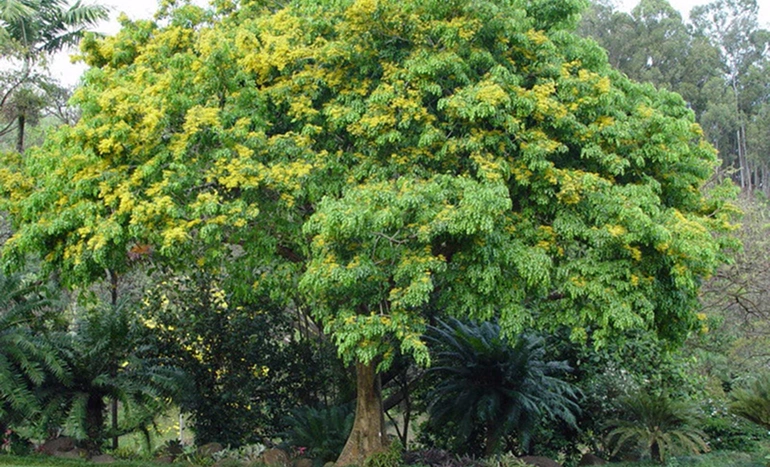
Burma Padauk Tree: Golden Emblem of Tropical Beauty
1. Common Name and Scientific Name
2. Description
3. Habitat and Distribution
4. Ecological Significance
5. Historical and Cultural Significance
6. Fun Facts
7. Growing and Caring for Burma Padauk Trees
8. Role of Grow Billion Trees Partners
Conclusion
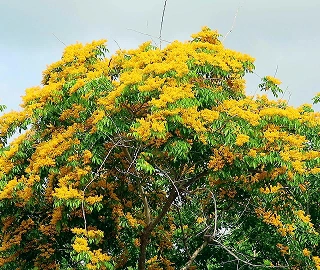
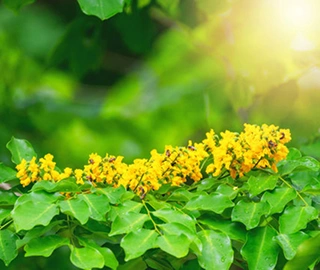
Burma Padauk Benefits: Nature’s Golden Superstar
Biodiversity Champion
Agroforestry Superstar
Cultural Icon
Reforestation Hero
Medicinal Marvel
Sustainable Timber
Pollinator Paradise
Soil Savior
Fast Growth Wonder
Shade Provider
What is the Burma Padauk tree?
The Burma Padauk, or Pterocarpus indicus, is a tropical superstar known for its stunning golden-yellow flowers and durable wood. Native to Southeast Asia, it reaches impressive heights and provides shade, making it a favorite for urban landscapes. It’s not just a pretty face; it’s a key player in biodiversity and sustainable forestry!
Why is the Burma Padauk tree ecologically significant?
This tree is a nitrogen-fixing champion, boosting soil fertility and supporting nearby plant growth. It’s a habitat haven for birds, insects, and small mammals, making it a biodiversity hotspot. The vibrant flowers attract pollinators, while the leaves serve as a snack for herbivores—talk about being the life of the ecosystem party!
What historical significance does the Burma Padauk tree hold?
Historically, the Burma Padauk has been a cultural icon, especially in Myanmar, where it’s linked to traditions and ceremonies. Its prized wood has been used for furniture and musical instruments. Colonial logging led to deforestation, highlighting the urgent need for conservation efforts.
How does the Burma Padauk tree impact the environment?
As a fast-growing tree, the Burma Padauk is a carbon-sequestration superstar, helping to combat climate change. Its extensive root system prevents soil erosion, and its adaptability to various soils makes it a versatile choice for reforestation—nature’s very own Swiss Army knife!
What role does Grow Billion Trees Partners play in its conservation?
Grow Billion Trees Partners focuses on reforestation, educating local communities about sustainable practices, and collaborating with governments and NGOs to restore ecosystems while boosting local economies.
What are some fun facts about the Burma Padauk tree?
Fast-growing, reaching maturity in just 5–10 years. Durable wood is perfect for outdoor furniture, and in Myanmar, it’s a national treasure symbolizing prosperity.
How do I grow and care for Burma Padauk trees?
They love well-drained, organic-rich soil and plenty of sunlight. Young trees need regular watering; mature ones are drought-resistant. Organic fertilizer and pest monitoring help them thrive.
What are the medicinal uses of the Burma Padauk tree?
The Burma Padauk tree has traditional medicinal uses, including remedies for fever, cough, and digestive issues—showing how versatile and beneficial this tree is!
Is the Burma Padauk tree suitable for urban landscaping?
Absolutely! It provides shade and beauty with its vibrant yellow flowers. Its dense crown is perfect for parks and streetscapes, enhancing local biodiversity.
How does the Burma Padauk tree contribute to sustainable forestry?
Its durable wood can be harvested responsibly, providing income for local communities while preserving ecological balance. As a nitrogen-fixing species, it enhances soil health, making it ideal for agroforestry.
What are the best conditions for planting Burma Padauk trees?
Plant in well-drained, organic-rich soil with plenty of sunlight. Young trees need adequate water, while mature ones are drought-tolerant. They thrive in loamy or sandy soils and adapt to various conditions.
Your Suggestions
Leave your message and we'll get back to you shortly.