

Longan Tree: The Ultimate Guide to Growing, Harvesting, and Enjoying
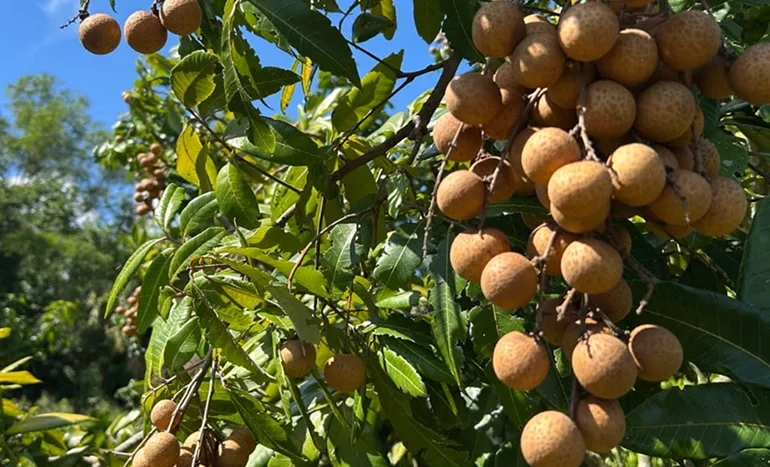
Longan Tree - Tropical Delight

The longan tree (Dimocarpus longan) is a tropical fruit tree native to Southern Asia, particularly popular in Thailand, Vietnam, and China. Known for its sweet, translucent flesh and unique flavor, the longan, often called the "dragon eye," is a beloved fruit. This comprehensive guide explores the cultivation, harvesting, and enjoyment of this delightful fruit, alongside its environmental impact and the efforts of organizations like Grow Billion Trees Partners in promoting sustainable longan cultivation.

Understanding the Longan Tree

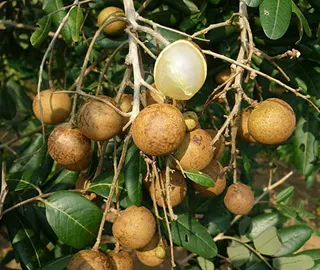
Longan trees belong to the Sapindaceae family, related to lychee and rambutan. They can grow up to 20-30 meters tall, with large, glossy, pinnate dark green leaves. The trees produce small, yellowish-white flowers in clusters and round, brownish fruits encasing juicy, translucent flesh.
Scientific Classification:
Kingdom: Plantae
Clade: Angiosperms
Clade: Eudicots
Clade: Rosids
Order: Sapindales
Family: Sapindaceae
Genus: Dimocarpus
Species: D. longan

Growing Longan Trees

Growing longan trees is rewarding in tropical and subtropical climates with warm temperatures and ample sunlight. They thrive in specific conditions to ensure healthy growth and fruit production.

Ideal Growing Conditions

Longan trees prefer a humid tropical climate with temperatures between 20°C to 30°C (68°F to 86°F) and are frost-sensitive. They thrive in well-draining sandy loam or clay loam soils with a pH of 5.5 to 7.0, rich in organic matter. Full sun exposure, with 6-8 hours of direct sunlight daily, is crucial for optimal fruit production.

Planting Longan Trees

Planting a longan tree is like setting the stage for a tropical drama. Select a healthy seedling or grafted plant from a reputable nursery. Clear the planting site of weeds and debris, dig a hole twice the size of the root ball, mix in compost, place the tree with the root collar level with the soil, water thoroughly, and apply mulch to retain moisture and suppress weeds.

Care and Maintenance

Think of longan tree care as a tropical spa day. Regular watering, especially during dry spells, encourages deep root growth. Apply a balanced fertilizer during the growing season for healthy foliage and fruit. Prune annually to remove dead or diseased branches and improve light penetration. Monitor for pests like fruit flies and scale insects, using organic pesticides as needed.

Longan Tree - Dragon Eye Fruit
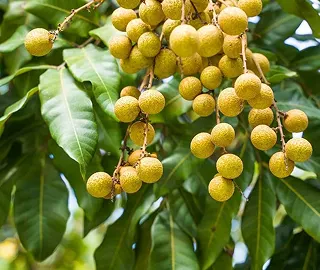
Longan Tree - Glossy Foliage

Harvesting Longan Fruits

Harvesting longan fruits is like picking candy from a tree. The fruits ripen 100-120 days after flowering, turning golden-brown with translucent flesh. Gently twist and pull by hand or use clippers for larger orchards to avoid damage. Store in a cool, dry place or refrigerate to extend shelf life up to two weeks.

Enjoying Longan Fruits

Longan fruits are a tropical vacation for your taste buds. Enjoy them fresh, dried in teas and desserts, or in soups for a sweet touch. Rich in vitamin C, iron, and potassium, they boost immunity, improve sleep, and offer antioxidant properties to combat oxidative stress.

Longan Tree Benefits

The longan tree is a multitasker, providing delicious, sweet fruits while improving air quality and supporting wildlife. Its presence is a conversation starter—“Did you know my tree is a dragon eye?”—making it a delightful addition to any garden.

Environmental Impact of Longan Cultivation

Longan trees contribute to ecosystems by providing habitats, improving soil health, and sequestering carbon to combat climate change. Sustainable practices like organic farming, agroforestry, and drip irrigation minimize environmental impact, ensuring longan cultivation benefits the planet.

Longan Tree Soil Requirements

The longan tree is picky about soil, preferring sandy loam or clay loam with a pH of 5.5 to 7.0. Too acidic or alkaline, and it won’t thrive. Rich organic matter ensures it rewards you with sweet, juicy fruits.

Longan Tree Growth Conditions

Longan trees love humidity, warmth, and 6-8 hours of direct sunlight daily. These tropical divas thrive in warm climates, ensuring bountiful fruit production with the right conditions.

Longan Tree Pests

Pests like fruit flies and scale insects can invade your longan tree, but vigilance and organic pesticides keep them at bay. Protect your tree to ensure it continues producing its delicious fruits.

Longan Tree Cultural Significance

Cherished for over 2,000 years in Asian cultures, the longan, or “dragon eye,” holds significance in traditional medicine for nourishing blood and improving sleep. It’s a tree steeped in history and cultural value.

Longan Tree Lifespan

Longan trees can live over 100 years, producing fruit for generations. With proper care, they’re the grandparents of the plant world, sharing sweet stories of their tropical adventures.

Longan Tree Sustainability

Longan trees contribute to sustainability through carbon sequestration and biodiversity support. Eco-friendly practices like organic farming ensure they benefit the planet, making them a green choice for gardeners.

Grow Billion Trees Partners

Grow Billion Trees Partners promotes sustainable longan cultivation through community engagement, education, and research. Their reforestation efforts and advocacy for eco-friendly practices ensure longan trees contribute to a greener planet.

Fun Facts About Longan

Known as “dragon eye” for its appearance, longan has been cultivated for over 2,000 years. It holds cultural significance in Asia, is used in traditional medicine, and can live over 100 years, producing fruit for generations.

Conclusion

Growing, harvesting, and enjoying longan fruits is a delightful experience, offering culinary pleasures and health benefits. By adopting sustainable practices and supporting Grow Billion Trees Partners, longan cultivation can positively impact the environment. Whether you’re a seasoned gardener or a beginner, the longan tree is a fantastic tropical addition.

FAQ

What is a longan tree?

A longan tree (Dimocarpus longan) is a tropical fruit tree native to Southern Asia, celebrated for its sweet, translucent flesh and unique flavor. Often called the "dragon eye," this tree can grow up to 30 meters tall, producing clusters of delightful fruits that are a treat for the taste buds.

01

What are the ideal growing conditions for longan trees?

Longan trees thrive in humid tropical climates with temperatures between 20°C and 30°C (68°F to 86°F). They prefer well-draining sandy loam or clay loam soils with a pH of 5.5 to 7.0, and they soak up sunlight like a sunbather, needing at least 6-8 hours daily for optimal fruit production.

02

How do I plant a longan tree?

Planting a longan tree is like setting the stage for a fruity show. First, choose a healthy seedling, prepare a spacious hole, and mix in compost. Position the tree so the root collar is level with the soil, water it thoroughly, and finish with mulch to keep it cozy and weed-free. Voilà, your longan tree is ready to shine!

03

What kind of care do longan trees need?

Longan trees require regular watering, especially during dry spells, to ensure deep roots. A balanced fertilizer during the growing season keeps them happy, while annual pruning helps maintain shape and health. Keep an eye out for pests like fruit flies, and use organic pesticides as needed, because no one wants uninvited guests!

04

When is the best time to harvest longan fruits?

Harvesting longan fruits is an art! Wait about 100-120 days after flowering, and keep an eye out for that golden-brown hue. The flesh should be translucent and ready to tantalize your taste buds. Timing is everything; pick them at just the right moment for the sweetest reward!

05

How should I handle longan fruits after harvesting?

After harvesting, treat longan fruits like delicate treasures. Handle them gently to avoid bruising and store them in a cool, dry place or refrigerate them to extend their shelf life. With proper care, these delightful fruits can last up to two weeks, ensuring you have time to savor their sweetness.

06

What are the culinary uses of longan fruits?

Longan fruits are culinary chameleons! Enjoy them fresh as a snack, toss dried longan into teas and desserts for a sweet twist, or add them to soups for a hint of sweetness. Their versatility makes them a delightful addition to any dish, proving that they’re not just a pretty face!

07

What health benefits do longan fruits offer?

Longan fruits are like nature's little health boosters! Packed with vitamins, especially vitamin C, they can help strengthen your immune system. Plus, they’re believed to improve sleep quality and boast antioxidant properties, making them a delicious way to support your health while indulging in their sweet flavor.

08

What sustainable practices should I consider for longan cultivation?

Embrace eco-friendly farming with sustainable practices for longan cultivation! Opt for organic farming to protect soil health, integrate longan trees with other crops for biodiversity, and implement drip irrigation to conserve water. These practices not only benefit the environment but also ensure your longan trees thrive for generations to come.

09

How does Grow Billion Trees Partners contribute to longan cultivation?

Grow Billion Trees Partners is a champion of sustainable agriculture, promoting longan cultivation through community engagement and education. They offer training to farmers on best practices, advocate for environmental awareness, and conduct research to share valuable insights, ensuring that longan trees flourish while benefiting our planet.

10

What are some fun facts about longan?

Longan fruits are full of surprises! Known as "dragon eye" in Chinese culture, they’ve been cultivated for over 2,000 years and can live for more than a century. In traditional Chinese medicine, they’re believed to nourish the blood and improve sleep quality, making them a fruit with both tasty and cultural significance!

11
logo
back top