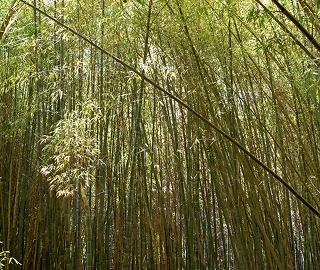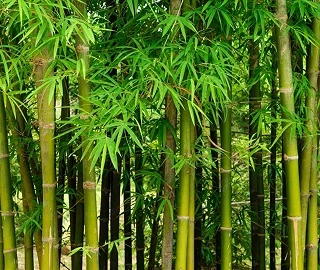

Bamboo Tree: Forest Management and Biodiversity Conservation

Aadusa Tree - Medicinal Plant

Bamboo: Forest Management and Biodiversity Conservation

Bamboo is one of the fastest-growing plants on Earth, with some species capable of growing up to 91 cm (35 inches) per day. Its rapid growth, versatility, and sustainability make it a vital plant for ecosystems, human culture, and sustainable development.

Taxonomy and Botanical Features

Bamboo belongs to the family Poaceae and the subfamily Bambusoideae, encompassing over 1,600 species. These species are classified as clumping or running types and are characterized by tall, woody stems known as culms that emerge from underground rhizomes and can reach their full height in a single growing season.

Historical and Cultural Significance

Throughout history, bamboo has been deeply intertwined with human culture. In Asia, particularly China and Japan, it symbolizes strength, flexibility, and resilience. Bamboo has been used in traditional architecture, art, and even as a writing surface. Indigenous communities around the world have relied on bamboo for construction, tools, and daily necessities, while it also represents longevity and prosperity in many cultural traditions.

Medicinal Properties and Traditional Uses

Bamboo has long been valued in traditional medicine systems. Its shoots are rich in nutrients and consumed as food, while extracts have been used to treat fevers, inflammation, and infections. Bamboo charcoal has applications in skincare and water purification, demonstrating the plant’s versatile medicinal and practical uses.

Agricultural and Environmental Applications

Bamboo is cultivated sustainably with minimal maintenance and has important ecological benefits. It prevents soil erosion, stabilizes watersheds, and its extensive root systems help prevent landslides in hilly terrains. Bamboo cultivation requires little water, no chemical fertilizers, and promotes biodiversity, making it an environmentally friendly resource.

Scientific Research and Innovation

Modern research highlights bamboo as an effective carbon sink and a promising material for sustainable construction, bioenergy, textiles, and other eco-friendly products. Researchers are exploring innovative applications in biotechnology, green infrastructure, and urban design, while bamboo forests also have potential for eco-tourism and carbon market projects.

Economic Importance and Conservation

Bamboo supports livelihoods for millions globally, particularly in rural and developing regions. Its products include construction materials, furniture, textiles, and food items. While abundant, some species face threats from habitat loss and overexploitation. Conservation initiatives are underway to protect bamboo ecosystems, which are crucial for sustainable development and climate change mitigation.

Conclusion

Bamboo exemplifies nature’s ingenuity, providing ecological, cultural, and economic benefits. Its rapid growth and versatility make it a vital resource for biodiversity conservation, sustainable development, and greener futures. Incorporating bamboo into ecosystems and human activities fosters ecological balance, economic prosperity, and cultural richness for generations to come.

References

United States Department of Agriculture (USDA): https://www.usda.gov/topics/food-and-nutrition
Food and Agriculture Organization of the United Nations (FAO): http://www.fao.org/forestry/bamboo/en/
International Network for Bamboo and Rattan (INBAR): https://www.inbar.int/

Aadusa Tree in Ayurvedic Medicine
Aadusa Tree Plantation

Bamboo Tree Facts

Explore fascinating facts about the Bamboo tree, one of the fastest-growing plants on Earth, known for its versatility, strength, and sustainability. Bamboo has captivated human imagination for centuries, providing food, shelter, and essential resources while supporting ecological balance and cultural practices worldwide.

Bamboo Tree Species

Bamboo belongs to the family Poaceae and encompasses over 1,600 species, each with unique characteristics and uses. These range from towering giants that dominate landscapes to delicate ornamentals suited for gardens. Bamboos are classified into clumping types, which grow in tight clusters, and running types, which spread through underground rhizomes and can sometimes become invasive.

Bamboo Tree Growth Habit

Bamboo is notable for its rapid growth. Its woody stems, called culms, emerge from underground rhizomes and can reach full height in a single growing season. This remarkable growth habit allows bamboo to be a renewable and sustainable resource, capable of regenerating quickly after harvesting without the need for replanting.

Bamboo Tree Uses

Bamboo has been utilized across cultures and industries for thousands of years. Its applications include construction materials, furniture, flooring, textiles, paper, and handicrafts. Bamboo shoots are a nutritious food source, while extracts from stems and leaves are used in traditional medicine for skin, hair, and health remedies.

Bamboo Tree Cultivation

Cultivating bamboo requires knowledge of species and soil conditions. Clump-forming varieties are ideal for landscaping, while running types are suited for privacy screens and natural fencing. Sustainable practices, including selective harvesting, rotational cutting, and integration into agroforestry, help maintain healthy ecosystems and long-term productivity.

Bamboo Tree Ecology

Bamboo contributes significantly to ecological stability. Its extensive root systems prevent soil erosion, stabilize watersheds, and provide habitat and food for wildlife. Bamboo forests enhance biodiversity, improve soil health, and act as carbon sinks, supporting climate resilience and sustainable land management.

Bamboo Tree Economic Importance

Bamboo supports livelihoods globally. Industries ranging from construction and agriculture to crafts and trade depend on bamboo products. Its cultivation generates income in rural areas, promotes sustainable development, and provides eco-friendly alternatives to conventional resources.

Bamboo Tree Sustainability

Bamboo is an environmentally sustainable plant. It requires minimal water, grows rapidly without chemical fertilizers, and regenerates after harvesting. Its cultivation aids in soil conservation, water purification, and carbon sequestration, making it an ideal resource for climate-friendly initiatives.

Bamboo Tree Cultural Symbolism

Bamboo carries deep cultural and spiritual significance across the globe. It represents resilience, flexibility, prosperity, and longevity in many societies. From traditional architecture and art to spiritual practices, bamboo has been a symbol of harmony between humans and nature.

Bamboo Tree Medicinal Uses

Bamboo has been valued for its therapeutic benefits for centuries. Bamboo shoots and leaves are used in traditional medicine to treat fevers, inflammation, and infections. Extracts from bamboo are also applied in skincare and haircare remedies.

Bamboo Tree Art and Craftsmanship

Bamboo inspires creativity through artisanal crafts and traditional handicrafts. From weaving baskets and mats to carving sculptures and musical instruments, bamboo continues to shape cultural heritage and artistic expression worldwide.

Bamboo Tree Forest Management

Sustainable bamboo forest management is critical for conserving biodiversity and supporting local livelihoods. Practices such as selective harvesting, rotational cutting, and integration into agroforestry ensure healthy, productive bamboo ecosystems for the long term.

Bamboo Tree Climate Resilience

Bamboo contributes to climate resilience by providing shade, regulating microclimates, enhancing soil moisture retention, and mitigating flood risks. Its ecological role supports adaptation and sustainability in vulnerable regions.

Bamboo Tree Culinary Delights

Bamboo shoots are a versatile and nutritious ingredient in many Asian cuisines. They can be prepared in soups, stir-fries, salads, and pickles, offering both culinary value and cultural significance.

Bamboo Tree Urban Landscaping

Bamboo is increasingly used in urban landscaping and green infrastructure projects. It enhances street plantings, parks, rooftop gardens, and green walls, providing shade, biodiversity benefits, and aesthetic beauty in city environments.

Bamboo Tree Research and Innovation

Research into bamboo continues to expand its applications in biotechnology, bioengineering, sustainable design, and eco-friendly products. Its unique properties make it a focus for innovative solutions in construction, energy, and environmental sustainability.

Bamboo Tree Invasive Species Management

Certain bamboo species can become invasive if not properly managed. Effective strategies include containment barriers, mechanical removal, and biological control to prevent ecological imbalance and protect native ecosystems.

Bamboo Tree Symbol of Green Living

Bamboo embodies principles of green living, sustainability, and environmental responsibility. It inspires eco-friendly lifestyles, resource efficiency, and cultural harmony, encouraging communities to adopt sustainable practices.

Bamboo Tree International Trade

Bamboo products are traded globally, providing economic opportunities for producing and consuming countries. The trade brings challenges and opportunities related to market demand, quality standards, and fair trade practices.

Bamboo Tree Future Prospects

The future of bamboo cultivation and utilization is promising. Emerging trends include bamboo-based biofuels, carbon markets, eco-tourism initiatives, and sustainable development applications, positioning bamboo as a key resource for a greener, more resilient world.

FAQs

What is a Bamboo tree?

The Bamboo tree, scientifically classified under the subfamily Bambusoideae of the grass family Poaceae, is a fast-growing, woody perennial plant. It is renowned for its strength, versatility, and rapid growth, and holds ecological, cultural, and economic significance worldwide.

Where are Bamboo trees commonly found?

Bamboo trees grow in diverse regions across Asia, Africa, the Americas, and Oceania. They thrive in forests, mountains, and tropical jungles, playing essential roles in ecosystems while providing valuable resources for human use.

What are the characteristics of Bamboo trees?

Bamboo trees feature tall, segmented stems called culms, with nodes and internodes. Their lance-shaped leaves grow in alternating patterns along the stems, and their rhizomatous root systems allow rapid spread and regeneration, making bamboo highly resilient and sustainable.

How tall do Bamboo trees grow?

The height of Bamboo trees varies by species and growing conditions, with some reaching 10–30 meters (33–98 feet) or more. Some species exhibit astonishing growth rates, capable of several centimeters per day under optimal conditions.

When do Bamboo trees produce shoots?

Bamboo typically produces new shoots during spring and summer, with peak growth in warm, humid climates. The emergence of new culms is influenced by temperature, rainfall, and daylight.

How to care for Bamboo trees?

Plant bamboo in well-drained soil with partial to full sunlight depending on the species. Water regularly, especially during dry periods, and fertilize annually with a balanced fertilizer to ensure healthy growth and strong culms.

What are the benefits of planting Bamboo trees?

Planting bamboo provides renewable materials for construction, furniture, and crafts, sequesters carbon to mitigate climate change, and stabilizes soil to prevent erosion. It also enhances biodiversity and contributes to sustainable landscapes.

Are Bamboo trees suitable for urban environments?

Bamboo thrives in urban environments, providing shade, ornamental beauty, and habitat for urban wildlife. They are commonly planted in parks, gardens, and green spaces for aesthetic and ecological benefits.

How to propagate Bamboo trees?

Bamboo can be propagated from seeds, rhizome divisions, or culm cuttings. Seeds should be sown in well-drained potting mix, rhizomes can be divided, and culms can be rooted in water or soil to establish new plants.

What are common pests and diseases affecting Bamboo trees?

Common pests include aphids, mealybugs, and scale insects. Diseases such as bamboo rust, root rot, and mosaic virus can occur. Integrated pest management and proper cultural practices help prevent infestations and infections.

Can Bamboo trees tolerate drought?

Once established, bamboo trees tolerate drought fairly well. However, regular watering during prolonged dry periods is beneficial. Mulching helps retain soil moisture and maintain healthy growth.

How long does it take for a Bamboo tree to mature?

The maturity period depends on species and conditions. Some species mature in 3–5 years, while others require more time for the culms to reach full size and diameter.

Are Bamboo trees deciduous or evergreen?

Bamboo can be either deciduous or evergreen, depending on species and climate. Most are evergreen, retaining foliage year-round, while some shed leaves seasonally in response to environmental conditions.

Can Bamboo trees be grown in pots?

Dwarf or clumping bamboo species are suitable for container growth. Use large, well-drained pots, and provide partial to full sunlight for optimal growth.

What is the significance of Bamboo trees in landscaping?

Bamboo adds ornamental beauty, structural diversity, and ecological benefits to landscapes. It is used as privacy screens, windbreaks, and focal points in gardens, parks, and urban areas.

Are Bamboo trees invasive?

Some running bamboo species can spread aggressively. Proper species selection and containment measures, such as root barriers, prevent invasiveness and protect native ecosystems.

How do you prune a Bamboo tree?

Prune to remove dead or damaged culms and thin crowded areas to allow light and air circulation. Cut just above nodes to encourage new growth and maintain shape.

What is the lifespan of a Bamboo tree?

The lifespan varies with species and conditions. Many bamboo species live 20–120 years, with some clumping varieties persisting for over a century, continually producing new culms.

logo
back top