

False Acacia Tree: The Hidden Gem for Sustainable Landscaping and Wildlife Habitat
False Acacia Tree - Medicinal Plant

The False Acacia tree, scientifically known as Robinia pseudoacacia, is a remarkable species that has often been overlooked in the realm of sustainable landscaping and wildlife habitat creation. This deciduous tree, native to North America, boasts a myriad of benefits that make it a hidden gem for gardeners, landscapers, and conservationists alike.

In this blog, we will delve into the scientific data, fun facts, historical significance, environmental impact, and the role of organizations like Tree Donate in promoting and executing projects that highlight the importance of the False Acacia tree.

Scientific Overview of the False Acacia Tree

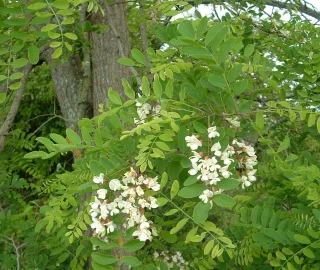
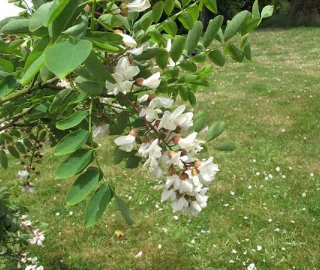
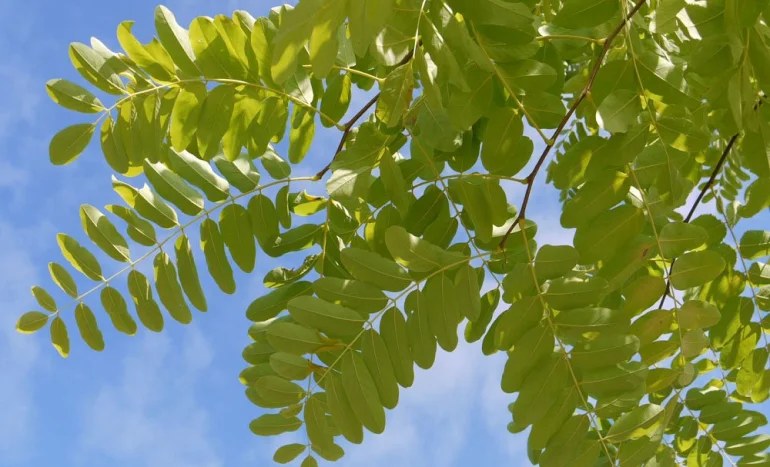
The False Acacia tree can grow up to 80 feet tall, with a trunk diameter of 2 to 3 feet. It features a broad, rounded crown and pinnately compound leaves that can reach up to 12 inches in length. One of its most striking features is its fragrant white flowers, which bloom in late spring and early summer. These flowers are not only visually appealing but are also highly attractive to pollinators, including bees and butterflies.

From a botanical perspective, the False Acacia tree is a member of the Fabaceae family, which is known for its nitrogen-fixing capabilities. This means that the tree can improve soil health by converting atmospheric nitrogen into a form that plants can utilize.

Fun Facts About the False Acacia Tree

  • Black Locust Nickname: The False Acacia tree is also known as the Black Locust, a name derived from its dark, deeply furrowed bark.
  • Durable Wood: Its wood is incredibly durable and resistant to rot, making it an excellent choice for outdoor furniture, fencing, and even railroad ties.
  • Edible Flowers: The tree's flowers are edible and can be used to make a sweet syrup or even fried as a delicacy.
  • Longevity: False Acacia trees can live for over 50 years, providing long-term benefits to the environment and local wildlife.

Historical Significance of the False Acacia Tree

The False Acacia tree has a rich history that dates back to the 17th century when it was introduced to Europe from North America. Its rapid growth and adaptability made it a popular choice for reforestation projects and landscaping in urban areas.

In the 19th century, it was widely planted along streets and in parks due to its aesthetic appeal and ability to thrive in poor soil conditions. Interestingly, the False Acacia tree has been used in various cultures for medicinal purposes. Native American tribes utilized its bark and leaves to create poultices for treating wounds and other ailments.

Environmental Impact of the False Acacia Tree

  • Soil Fertility: As a nitrogen-fixing species, it plays a crucial role in enhancing soil fertility, which is vital for the growth of other plants in the ecosystem.
  • Biodiversity: By improving soil health, the False Acacia tree contributes to the overall biodiversity of the area, promoting a richer and more vibrant ecosystem.
  • Wildlife Habitat: Its flowers attract pollinators, while its leaves serve as a food source for larval stages of certain butterflies and moths. Birds and small mammals also find shelter in its branches.
  • Xeriscaping: The tree has a relatively low water requirement, making it an excellent choice for xeriscaping—landscaping designed to reduce or eliminate the need for irrigation.

How Tree Donate Promotes False Acacia Plantations

Organizations like Tree Donate are instrumental in promoting the planting and maintenance of the False Acacia tree as part of their sustainable landscaping initiatives. Their mission focuses on reforestation and habitat restoration, with a particular emphasis on native and beneficial species like the False Acacia.

Tree Donate organizes workshops and training sessions to educate community members about the tree’s benefits, planting techniques, and maintenance practices. By collaborating with local governments, schools, and community organizations, they raise awareness about the ecological benefits of trees and encourage individuals to participate in planting initiatives. Join our planting initiatives.

Why Plant a False Acacia Tree?

The False Acacia tree is truly a hidden gem in the world of sustainable landscaping and wildlife habitat creation. Its numerous benefits, including soil enhancement, wildlife support, and drought resistance, make it an ideal choice for environmentally conscious gardeners and landscapers. With organizations like Tree Donate leading the charge in promoting and executing planting projects, the future of the False Acacia tree looks promising. Plant a False Acacia tree today.

False Acacia Tree Leaves - Nitrogen Fixing
False Acacia Tree Plantation

False Acacia Benefits

This tree is like the Swiss Army knife of the landscaping world! With its nitrogen-fixing superpowers, it not only enhances soil fertility but also attracts pollinators like bees and butterflies. Talk about a multitasker! Whether you're looking to beautify your garden or create a wildlife haven, the False Acacia has got your back—making it a must-have in any eco-friendly gardener's toolkit. Learn more about False Acacia benefits.

Wildlife Habitat

If the False Acacia were a celebrity, it would be the wildlife whisperer! Its fragrant flowers are a buffet for pollinators, while its sturdy branches provide shelter for birds and small mammals. This tree doesn’t just stand tall; it stands out as a vital contributor to local ecosystems, ensuring that critters have a cozy place to call home. Who knew landscaping could be so generous?

Sustainable Landscaping

Forget the plastic lawn ornaments; the False Acacia is here to elevate your landscaping game sustainably! This tree thrives in poor soil conditions and requires minimal water, making it an eco-champion in xeriscaping. When you plant a False Acacia, you’re not just adding greenery; you’re joining the fight against environmental degradation, one beautiful tree at a time. Start your False Acacia plantation.

Historical Significance

The False Acacia has been charming its way through history since the 17th century. Originally introduced to Europe, it quickly became the darling of urban planners thanks to its rapid growth and adaptability. This tree has seen it all—street-side plantings, medicinal uses by Native Americans, and a starring role in reforestation projects.

Edible Flowers

Who knew that landscaping could also be delicious? The flowers of the False Acacia are edible and can be transformed into sweet syrups or even fried delicacies. It’s a culinary adventure waiting to happen; this tree is not just a pretty face!

Drought Resistance

In a world where water is becoming a precious commodity, the False Acacia stands out as a drought-resistant hero. With its relatively low water requirements, this tree can thrive even in arid conditions, making it the perfect choice for regions that need to conserve water.

Community Engagement

Organizations like Tree Donate are the cheerleaders for the False Acacia, rallying communities to plant and care for this incredible tree. Through workshops and hands-on activities, they foster a sense of stewardship and environmental awareness. Join the movement and plant a tree! Join our planting initiatives.

Soil Health Improvement

The False Acacia doesn’t just sit pretty; it actively improves soil health like a botanical superhero! By fixing nitrogen in the soil, it makes nutrients available for other plants, creating a thriving ecosystem. This tree is the ultimate team player for your garden.

Pollinator Attraction

If you want to throw a pollinator party in your garden, the False Acacia is the guest of honor! Its fragrant white flowers are like a magnet for bees and butterflies, ensuring that your garden is buzzing with life. By planting this tree, you’re supporting essential pollinators.

Durable Wood

The False Acacia’s wood is the tough guy of the tree world—durable, rot-resistant, and perfect for outdoor furniture and fencing. Why settle for flimsy when you can have sturdy? This tree’s timber is both functional and stylish for eco-conscious builders.

Reforestation Efforts

The False Acacia is a key player in reforestation projects, helping to restore ecosystems and combat climate change. Organizations like Tree Donate recognize its potential and promote its planting in various initiatives. By supporting these efforts, you’re participating in a global movement toward a greener planet. Start your False Acacia plantation.

Aesthetic Appeal

With its broad crown and fragrant blooms, the False Acacia is not just a tree; it’s a statement piece for your landscape. Its aesthetic charm can elevate any garden design, making it a favorite among landscapers. Whether you’re going for a rustic look or a modern vibe, this tree fits right in.

FAQ

What is the False Acacia Tree?

The False Acacia tree, or Robinia pseudoacacia, is a towering beauty from North America, reaching up to 80 feet tall. With its fragrant white flowers and nitrogen-fixing prowess, it’s a sustainable superstar for gardens and wildlife alike. Talk about a tree that can do it all!

01

Why is it Called Black Locust?

The False Acacia tree earned the nickname Black Locust due to its dark, furrowed bark. It sounds a bit ominous, but don’t worry; this tree is more about beauty and sustainability than anything spooky. Just think of it as nature’s way of keeping things interesting!

02

What are the Benefits of Planting False Acacia?

Planting False Acacia trees means you’re signing up for a soil enhancer, wildlife haven, and drought-resistant champion all in one. Their nitrogen-fixing abilities boost soil health, while their flowers attract pollinators. It’s like throwing a party for nature—everyone’s invited! Plant a False Acacia tree today.

03

How Long Do False Acacia Trees Live?

These resilient trees can live for over 50 years, making them a long-term investment for your landscape. Think of them as the wise old sages of the garden, offering shade, beauty, and ecological benefits for generations to come. Who wouldn’t want a tree with longevity?

04

Can You Eat the Flowers of the False Acacia?

Yes, indeed! The flowers of the False Acacia are not just pretty faces; they’re edible too. You can whip up a sweet syrup or even fry them for a delightful treat. Who knew a tree could add such flavor to your culinary adventures?

05

What Role Does the False Acacia Play in Ecosystems?

The False Acacia tree is a vital player in its ecosystem, enhancing soil fertility and providing habitat for various wildlife. Its flowers attract pollinators, while its leaves serve as a tasty snack for certain caterpillars. It’s like the ultimate multitasker of the plant world!

06

How Does the False Acacia Contribute to Sustainable Landscaping?

With its nitrogen-fixing capabilities and low water requirements, the False Acacia tree is a sustainable landscaping hero. It improves soil health and conserves water, making it a perfect choice for eco-conscious gardeners. Why settle for ordinary when you can plant extraordinary? Plant a False Acacia tree today.

07

What is the Historical Significance of the False Acacia?

The False Acacia has a rich history dating back to the 17th century when it was introduced to Europe. Its adaptability made it a favorite for urban landscaping, while Native Americans used it for medicinal purposes. This tree is not just a pretty sight; it’s a historical treasure!

08

How Does Tree Donate Promote the False Acacia?

Tree Donate champions the False Acacia through community engagement, education, and hands-on planting activities. They’re like tree superheroes, rallying people to plant this ecological gem and ensure its benefits are enjoyed for years to come. Join our planting initiatives.

09

What Makes the False Acacia a Good Choice for Xeriscaping?

The False Acacia tree’s low water requirement makes it an ideal candidate for xeriscaping, perfect for dry regions. It provides beauty and habitat without guzzling water, helping you save resources while keeping your landscape lush. Talk about a smart choice for the eco-savvy gardener! Plant a False Acacia tree today.

10

How Do False Acacia Trees Enhance Biodiversity?

By improving soil health and providing food and shelter for wildlife, False Acacia trees play a crucial role in enhancing biodiversity. They attract pollinators and support various species, making your garden a thriving ecosystem. It’s like planting a little piece of paradise right in your backyard! Plant a False Acacia tree today.

11

What Can I Do to Support the False Acacia?

You can support the False Acacia by planting one in your landscape, participating in local initiatives like those by Tree Donate, or simply spreading the word about its benefits. Every little effort counts in promoting this ecological gem, so let’s give it the recognition it deserves! Plant a False Acacia tree today.

12
logo
back top