
Southern Magnolia Tree: The Timeless Beauty and Benefits of This Iconic Southern Gem
Aadusa Tree - Medicinal Plant

Southern Magnolia Tree: The Timeless Beauty and Benefits of This Iconic Species

The Southern Magnolia tree (Magnolia grandiflora) is a symbol of the American South, renowned for its stunning beauty, fragrant blossoms, and impressive stature. This iconic tree plays a crucial role in its ecosystem and offers numerous benefits to homeowners and communities alike.

The Allure of Southern Magnolia

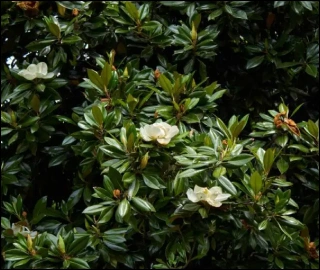
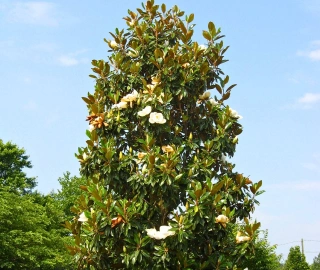
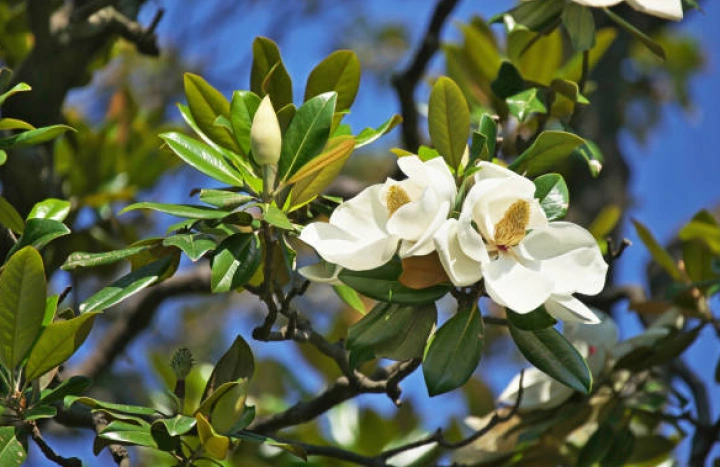
Southern Magnolias are evergreen trees that can grow up to 80 feet tall with a canopy spread of 30–50 feet, creating a majestic presence in any landscape. Their glossy, dark green leaves provide a stunning backdrop for the large, creamy white flowers that bloom from late spring to early summer. Each flower can measure up to 12 inches in diameter and emits a sweet, lemony fragrance that attracts pollinators, particularly bees. The blooms are followed by cone-like fruit that matures in the fall, providing food for birds and other wildlife.

Scientific Insights

From a botanical perspective, the Southern Magnolia belongs to the Magnoliaceae family, which includes about 210 species of flowering plants. The tree is native to the southeastern United States, particularly in regions with warm, humid climates. Southern Magnolias are well-adapted to a variety of soil types, although they thrive best in well-drained, acidic soils. They are hardy in USDA zones 7 to 10, making them suitable for a wide range of southern climates.

Fun Facts About Southern Magnolias

  • Can live over 100 years, with some specimens exceeding 300 years.
  • State flower of Mississippi and state tree of Louisiana.
  • Magnolia wood is highly valued for its fine grain and is often used in furniture making and cabinetry.
  • Resilient to hurricanes and heavy winds due to deep root systems.

Historical Significance

The Southern Magnolia has a rich history intertwined with Southern culture. Celebrated in literature and art, it often symbolizes beauty, dignity, and perseverance. In the 19th century, the tree became a popular ornamental choice for gardens and estates, representing wealth and sophistication.

Environmental Impact

Southern Magnolias provide year-round shade, shelter for wildlife, reduce soil erosion, and improve air quality by absorbing CO2 and releasing oxygen. Their flowers attract pollinators, and the fruit serves as food for birds and small mammals, promoting biodiversity.

How to Grow Southern Magnolias

- Site Selection: Full sun to partial shade; well-drained, acidic soils.
- Planting: Spring or fall; dig a hole twice as wide as the root ball and set the root flare level with the soil surface.
- Watering: Regular during the first year; mature trees are drought-tolerant.
- Fertilizing: Apply a balanced fertilizer in early spring.
- Pruning: Late winter or early spring; remove dead or damaged branches.

Community Initiatives and Grow Billion Trees Partners

Organizations like Grow Billion Trees Partners promote Southern Magnolia conservation by organizing community tree-planting events, providing educational resources and seedlings, and collaborating with local governments, schools, and nurseries. These initiatives ensure the preservation and growth of this iconic tree while engaging communities in environmental stewardship.

Conclusion

The Southern Magnolia tree embodies timeless beauty, cultural heritage, and ecological value. Its fragrant flowers, majestic stature, and environmental benefits make it a cherished addition to any landscape. Supporting its growth through proper care and community initiatives ensures this iconic Southern gem thrives for generations to come.

Aadusa Tree in Ayurvedic Medicine
Aadusa Tree Plantation

Southern Magnolia Tree: Timeless Beauty, Benefits, and Care

The Southern Magnolia tree, Magnolia grandiflora, is a symbol of the American South, renowned for its stunning flowers, glossy evergreen leaves, and impressive stature. Beyond its beauty, it provides ecological, cultural, and practical benefits.

Understanding the Southern Magnolia

Southern Magnolias are evergreen trees that can grow up to 80 feet tall with a canopy spread of 30–50 feet. The large, creamy white flowers bloom from late spring to early summer and emit a sweet, lemony fragrance, attracting pollinators such as bees. Cone-like fruit develops in fall, providing food for birds and small mammals.

Scientific Classification

  • Kingdom: Plantae
  • Clade: Angiosperms
  • Clade: Magnoliids
  • Order: Magnoliales
  • Family: Magnoliaceae
  • Genus: Magnolia
  • Species: Magnolia grandiflora

Fun Facts

  • Can live over 100 years, with some specimens exceeding 300 years.
  • State flower of Mississippi and state tree of Louisiana.
  • Magnolia wood is highly valued for fine grain and furniture making.
  • Resilient to hurricanes and heavy winds due to deep root systems.

Historical Significance

Southern Magnolias have long been celebrated in Southern culture, literature, and art. They became popular ornamental trees in the 19th century, symbolizing beauty, dignity, and perseverance. Indigenous peoples and settlers have also valued the wood for building and furniture.

Environmental Impact

These trees provide year-round shade and shelter for wildlife, reduce soil erosion, stabilize the soil, and contribute to air purification by absorbing CO2 and releasing oxygen. Flowers supply nectar for bees, and fruits feed birds and small mammals, supporting biodiversity.

How to Grow Southern Magnolias

- Site Selection: Full sun to partial shade; well-drained, acidic soils.
- Planting: Spring or fall; hole twice as wide as root ball; root flare level with soil.
- Watering: Regularly during the first year; mature trees are drought-tolerant.
- Fertilizing: Apply balanced fertilizer in early spring.
- Pruning: Late winter or early spring; remove dead/damaged branches.

Community Initiatives and Grow Billion Trees Partners

Grow Billion Trees Partners promotes Southern Magnolia conservation by:

  • Organizing community tree-planting events.
  • Providing seedlings and educational resources.
  • Collaborating with local governments, schools, and nurseries.
  • Raising awareness about the ecological importance of native trees.
These initiatives help preserve Southern Magnolias while engaging communities in environmental stewardship.

Conclusion

The Southern Magnolia tree is a timeless symbol of natural beauty, cultural heritage, and ecological value. Its fragrant flowers, majestic stature, and environmental benefits make it a cherished addition to landscapes. Supporting its growth through proper care and community initiatives ensures this iconic tree thrives for generations to come.

FAQs

What makes the Southern Magnolia tree so special?

The Southern Magnolia, Magnolia grandiflora, is iconic for its towering height, glossy leaves, and large, fragrant blooms. It provides shelter and food for wildlife while enhancing landscapes with its majestic presence.

1

How tall can a Southern Magnolia grow?

Southern Magnolias can reach up to 80 feet tall with a spread of 30–50 feet, creating a majestic presence in any landscape.

2

What is the ideal soil for Southern Magnolias?

They prefer well-drained, acidic soils but can adapt to various soil types. Good drainage is essential to prevent root rot.

3

How often should I water my Southern Magnolia?

Water regularly during the first year, especially in dry periods. Once established, these trees are relatively drought-tolerant.

4

When is the best time to plant a Southern Magnolia?

Spring or fall are ideal for planting. These seasons provide optimal conditions for root establishment and growth.

5

What are some fun facts about Southern Magnolias?

Some live over 300 years. They are the state flower of Mississippi and state tree of Louisiana. Their wood is prized for fine furniture and cabinetry.

6

Why are Southern Magnolias important for the environment?

They provide year-round shade and shelter, reduce soil erosion, improve air quality, and support pollinators and wildlife with flowers and fruit.

7

How do I prune my Southern Magnolia?

Prune in late winter or early spring to maintain shape and remove dead branches. Avoid heavy pruning to keep the tree healthy and aesthetically pleasing.

8

What role does Grow Billion Trees Partners play?

They promote planting and preserving Southern Magnolias by organizing tree-planting events, providing education, and collaborating with communities and local governments to support native species.

9

Can Southern Magnolias withstand hurricanes?

Yes, they have deep root systems and strong wood, enabling them to withstand heavy winds and storms, making them resilient in landscapes prone to hurricanes.

10

What historical significance do Southern Magnolias hold?

They symbolize beauty, dignity, and resilience in Southern culture. Featured in literature and art, they represent wealth and sophistication, making them living pieces of history.

11
logo
back top