

Indian Laurel Fig Tree: Nature's Resilient Marvel and Ultimate Guide
Indian Laurel Fig Tree

The Indian Laurel Fig Tree, scientifically known as Ficus microcarpa, is a remarkable species that has gained popularity not only for its aesthetic appeal but also for its resilience and adaptability.

Native to tropical and subtropical regions of Asia, particularly India, this tree is a member of the Moraceae family, which includes other well-known figs and rubber trees.

In this blog, we will explore the fascinating characteristics of the Indian Laurel Fig Tree, its benefits, care requirements, and how organizations like Grow Billion Trees are promoting tree planting initiatives in the region.

Characteristics of the Indian Laurel Fig Tree

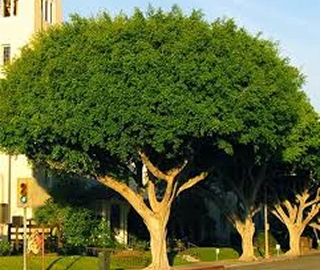
The Indian Laurel Fig Tree is a fast-growing evergreen that can reach heights of up to 60 feet (18 meters) in its natural habitat.

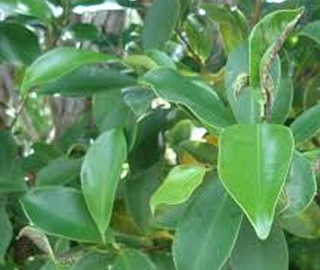
Its dense canopy and glossy, dark green leaves make it an attractive choice for landscaping, providing excellent shade and a lush appearance. The leaves are elliptical and can grow up to 4 inches (10 cm) long, creating a vibrant backdrop for any garden.

One of the most striking features of the Indian Laurel Fig is its aerial roots, which can descend from the branches and take root in the soil below. This adaptation allows the tree to anchor itself securely in the ground, making it particularly resilient to strong winds and storms. Additionally, the tree produces small, fig-like fruits, which are not typically consumed by humans but are a food source for various birds and wildlife.

Historical Significance

The Indian Laurel Fig Tree has deep historical roots in various cultures. In India, it is often associated with sacredness and is commonly found in temple complexes and other significant sites.

The tree's longevity and ability to thrive in challenging environments have made it a symbol of resilience and endurance. In traditional medicine, parts of the tree have been used for their purported health benefits, including anti-inflammatory and antimicrobial properties.

Environmental Impact

The Indian Laurel Fig Tree plays a vital role in its ecosystem. Its dense foliage provides habitat and food for various species, including birds, insects, and small mammals.

The tree also contributes to soil health by preventing erosion with its extensive root system. Furthermore, like all trees, it plays a crucial role in carbon sequestration, absorbing carbon dioxide from the atmosphere and releasing oxygen, thus helping to combat climate change.

In urban settings, the Indian Laurel Fig Tree is often used in landscaping to improve air quality, reduce heat, and enhance biodiversity. Its ability to thrive in poor soil conditions and urban environments makes it a popular choice for city planners and landscapers looking to create green spaces.

Benefits of Growing Indian Laurel Fig Trees

Air Quality Improvement: Trees are natural air filters. The Indian Laurel Fig Tree helps to purify the air by absorbing pollutants and releasing oxygen.

Shade and Cooling: With its dense canopy, this tree provides significant shade, reducing the need for air conditioning in nearby buildings and lowering energy costs.

Aesthetic Appeal: The Indian Laurel Fig is visually striking, making it an excellent choice for landscaping, parks, and gardens.

Wildlife Habitat: The tree supports local wildlife, providing food and shelter for various species.

Soil Erosion Prevention: Its extensive root system helps to stabilize soil, preventing erosion and promoting healthy soil structure.

How to Care for Indian Laurel Fig Trees

Caring for an Indian Laurel Fig Tree is relatively straightforward, making it an excellent choice for both novice and experienced gardeners. Here are some essential tips for ensuring your tree thrives:

1. Location: Choose a location that receives full sun to partial shade. While the Indian Laurel Fig can tolerate some shade, it grows best in bright, indirect sunlight.

2. Soil Requirements: This tree is adaptable to various soil types but prefers well-draining soil rich in organic matter. If planting in poor soil, consider amending it with compost to improve fertility.

3. Watering: Water the tree regularly, especially during dry spells. The soil should be kept moist but not soggy. Overwatering can lead to root rot, so ensure that the pot or ground has adequate drainage.

4. Fertilization: Fertilize the tree with a balanced, slow-release fertilizer during the growing season (spring and summer). This will promote healthy growth and vibrant foliage.

5. Pruning: Prune the tree to maintain its shape and remove any dead or diseased branches. This is best done in late winter or early spring before new growth begins.

6. Pest Management: While the Indian Laurel Fig is relatively pest-resistant, keep an eye out for common pests such as aphids and spider mites. If infestations occur, treat them with insecticidal soap or neem oil.

7. Temperature and Humidity: The Indian Laurel Fig thrives in warm, humid conditions. Protect the tree from frost and extreme cold, especially in regions with harsh winters.

Growing Indian Laurel Fig Trees: A Step-by-Step Guide

Growing your Indian Laurel Fig Tree from seeds or cuttings can be a rewarding experience. Here's a simple step-by-step guide:

1. Seed Propagation: Collect seeds from ripe figs. Soak them in water for 24 hours, then plant them in a seed-starting mix. Keep the soil moist and place the container in a warm location with indirect sunlight.

2. Cutting Propagation: Take a 6-8 inch cutting from a healthy Indian Laurel Fig Tree. Remove the lower leaves and dip the cut end in rooting hormone. Plant the cutting in a pot filled with well-draining soil. Water it lightly and cover it with a plastic bag to maintain humidity.

3. Transplanting: Once your seedlings or cuttings have developed roots (usually within a few weeks), transplant them into larger pots or directly into the ground, ensuring they have enough space to grow.

4. Ongoing Care: Follow the care guidelines mentioned above to ensure your tree remains healthy and vibrant.

Fun Facts about Indian Laurel Fig Trees

  • The Indian Laurel Fig Tree is often referred to as the "Chinese Banyan" in some regions due to its similar growth habits.
  • In some cultures, the tree is considered sacred, and it is common to see them planted near temples and other holy sites.
  • The tree's ability to grow in urban environments has made it a popular choice for city landscaping projects.
  • Indian Laurel Fig Trees can live for over 100 years, making them a long-lasting addition to any landscape.

Grow Billion Trees: Promoting Tree Planting Initiatives

Organizations like Grow Billion Trees are at the forefront of promoting tree planting initiatives across India and beyond. Their mission is to combat climate change, restore ecosystems, and enhance biodiversity by planting billions of trees.

They collaborate with local communities, schools, and governments to execute tree planting projects that not only focus on the quantity of trees planted but also on the quality of care provided to ensure their survival.

Grow Billion Trees employs a community-driven approach, engaging volunteers in tree planting events and educational workshops. They emphasize the importance of native species, including the Indian Laurel Fig Tree, in their projects to foster a healthy and resilient ecosystem. By raising awareness about the benefits of trees and providing hands-on experience in planting and caring for them, they empower individuals to take action in their local environments.

Moreover, Grow Billion Trees partners with various organizations and institutions to secure funding and resources for their initiatives. They utilize social media and other platforms to promote their projects, encouraging more people to join the movement and contribute to a greener future.

Conclusion

The Indian Laurel Fig Tree is indeed nature's resilient marvel, offering numerous benefits to both the environment and the communities that nurture it.

With its stunning appearance, ecological significance, and ease of care, it is an excellent choice for any gardener looking to make a positive impact. By understanding its characteristics and needs, you can successfully cultivate this magnificent tree in your own backyard.

Furthermore, by supporting initiatives like Grow Billion Trees, you can contribute to the larger mission of reforestation and environmental conservation. Together, we can create a greener, healthier planet for future generations. So, whether you're planting an Indian Laurel Fig Tree in your garden or participating in community tree planting events, you are taking a step towards a sustainable and thriving ecosystem.

Indian Cork Fig Fruits
Indian Cork Fig Tree

FAQ

What is the Indian Laurel Fig Tree?

The Indian Laurel Fig Tree, or Ficus microcarpa, is a stunning evergreen native to Asia. Known for its glossy leaves and impressive aerial roots, it reaches heights of up to 60 feet, making it a popular choice for landscaping and providing ample shade while being a resilient environmental champion.

01

How fast does the Indian Laurel Fig Tree grow?

This tree is a speedy grower, often reaching impressive heights in just a few years. With the right care and conditions, you can watch it transform your garden into a lush oasis, making it a favorite for those who want instant greenery without the wait.

02

What are the benefits of planting an Indian Laurel Fig Tree?

Planting this beauty isn't just about looks; it improves air quality, provides shade, and supports local wildlife. Plus, its extensive root system prevents soil erosion, making it an eco-friendly choice for both urban and rural settings.

03

How do you care for an Indian Laurel Fig Tree?

Caring for this tree is a breeze! Just provide it with bright, indirect sunlight, well-draining soil, and regular watering. A little pruning here and there keeps it looking sharp, while a balanced fertilizer during the growing season ensures it thrives like the superstar it is.

04

Can the Indian Laurel Fig Tree survive in urban environments?

Absolutely! This tree is a champion of urban resilience, thriving in poor soil and adapting to city life. Its ability to improve air quality and provide shade makes it a go-to choice for city planners looking to green up concrete jungles.

05

Is the Indian Laurel Fig Tree suitable for beginners?

Yes, indeed! With its straightforward care requirements and rapid growth, the Indian Laurel Fig Tree is perfect for novice gardeners. Even if you're new to gardening, you'll feel like a pro as you watch this tree flourish in your backyard.

06

What pests should I watch for on my Indian Laurel Fig Tree?

While this tree is relatively pest-resistant, keep an eye out for pesky aphids and spider mites. If they crash the party, a little insecticidal soap or neem oil will send them packing, ensuring your tree remains healthy and happy.

07

How do I propagate an Indian Laurel Fig Tree?

Propagating this tree is a fun adventure! You can either collect seeds from ripe figs or take cuttings from a healthy tree. With a bit of patience and the right conditions, you'll soon have new trees ready to thrive, expanding your green kingdom.

08

What is the historical significance of the Indian Laurel Fig Tree?

This tree isn't just a pretty face; it holds deep cultural significance in India, often found near temples and sacred sites. Its longevity and resilience symbolize endurance, making it a revered species in many traditions throughout history.

09

How does the Indian Laurel Fig Tree help the environment?

This tree is an environmental superstar! It provides habitats for wildlife, prevents soil erosion with its robust root system, and plays a vital role in carbon sequestration. By planting one, you're not just beautifying your space; you're helping combat climate change too!

10

What role does Grow Billion Trees play in promoting tree planting?

Grow Billion Trees is on a mission to plant billions of trees, including the Indian Laurel Fig! They engage communities in tree planting initiatives, emphasizing the importance of native species and environmental education, making it easy for anyone to get involved in creating a greener future.

11
logo
back top