

Black Ash Tree
Black Ash Tree: Unveiling the Secrets, Benefits, and Care Tips for This Majestic Species
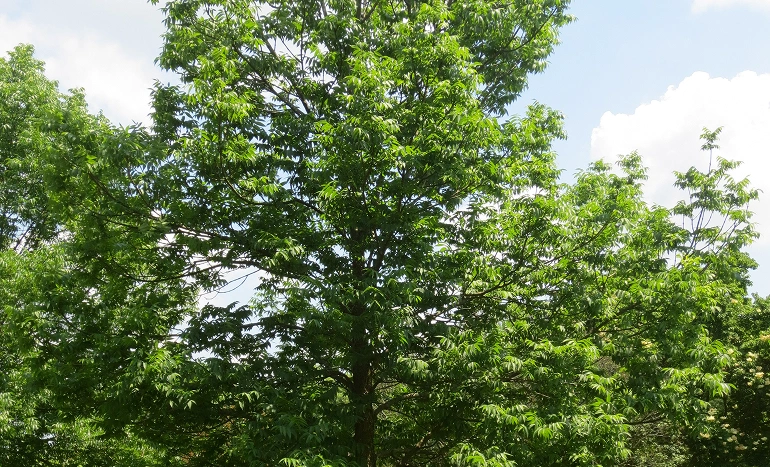
Black Ash Tree: Secrets, Benefits, and Care Tips
Scientific Classification and Characteristics
Scientific Classification
Historical Significance
Ecological Benefits
Fun Facts About Black Ash
Growing Black Ash Trees
Environmental Impact and Conservation
Conclusion
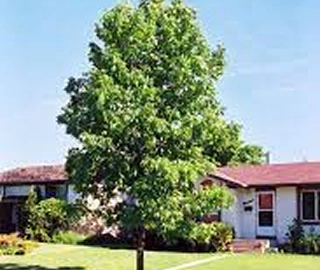

Black Ash Tree: Secrets, Benefits, and Care Tips
Black Ash Habitat
Lifespan
Cultural Importance
Ecological Role
Threats: Emerald Ash Borer
Growing Conditions
Wildlife Interaction
Conservation Efforts
Historical Uses
FAQs
What is the Black Ash tree?
The Black Ash (Fraxinus nigra) is a deciduous hardwood native to North America. It thrives in wet, swampy areas, reaching heights of 50–80 feet with dark bark and compound leaves that turn bright yellow in fall.
Why is the Black Ash tree historically significant?
Native American tribes used Black Ash wood for baskets, tools, and ceremonial items. Its bark and leaves were also used medicinally, highlighting its cultural and practical importance.
What are the ecological benefits of Black Ash?
Provides habitat and food for wildlife, aids in carbon sequestration, prevents soil erosion, and enhances water quality in wetlands.
How can I grow Black Ash trees?
Plant in moist, well-drained soil with at least 6 hours of sunlight. Water regularly, prune young trees, and monitor for pests like the Emerald Ash Borer.
What pests threaten Black Ash trees?
The Emerald Ash Borer is the primary pest threatening Black Ash populations. Regular monitoring and early intervention are essential.
How long can Black Ash trees live?
Black Ash trees can live over 200 years, providing ecological and cultural value for generations.
What distinguishes Black Ash from Green Ash?
Black Ash has dark, furrowed bark and distinct compound leaves, whereas Green Ash has lighter bark and different leaf patterns.
How does Black Ash help combat climate change?
It absorbs carbon dioxide from the atmosphere, contributing to carbon sequestration and mitigating climate change.
What role do organizations play in conserving Black Ash?
Organizations like Grow Billion Trees Partners plant Black Ash, engage communities, provide education, and support ecosystem restoration projects.
Can Black Ash regenerate from roots?
Yes, Black Ash can regenerate from its roots, demonstrating resilience and adaptability in challenging conditions.
What are the soil requirements for Black Ash?
Prefers moist, well-drained soils with slightly acidic to neutral pH. Tolerates clay or sandy soils, but consistent moisture is essential.
Why is conserving Black Ash important?
Conservation ensures the survival of this species, protects its ecological and cultural roles, and benefits future generations.
Your Suggestions
Leave your message and we'll get back to you shortly.