
Boxwood Tree: The Ultimate Guide to Care, Varieties, and Stunning Landscape Transformations
Aadusa Tree - Medicinal Plant

Boxwood Tree: Care, Varieties, and Stunning Landscaping

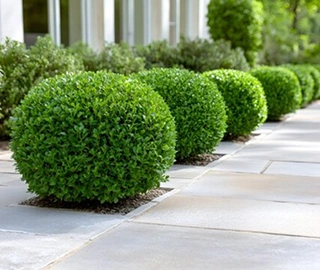
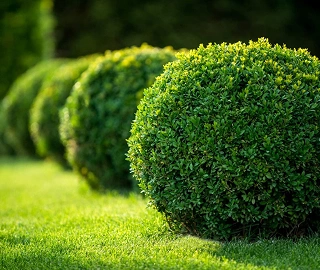
Boxwood trees (Buxus) are evergreen shrubs or small trees cherished for their dense foliage, versatility, and elegant form. They are ideal for hedges, topiaries, foundation plantings, and mixed borders.

This guide explores Boxwood varieties, care requirements, environmental benefits, landscaping uses, historical significance, and sustainable planting initiatives.

Scientific Classification and Characteristics

  • Family: Buxaceae
  • Height: Up to 6 meters (20 feet), depending on species
  • Leaves: Small, glossy, evergreen, and dense
  • Growth Habit: Compact and slow-growing; suitable for shaping
  • Uses: Hedges, topiaries, formal gardens, containers

Popular Varieties

  • Buxus sempervirens: English boxwood, slow-growing, dense dark green foliage
  • Buxus microphylla: Japanese boxwood, compact growth, tolerant to varied soils
  • Buxus sinica: Chinese boxwood, hardy, adaptable, ideal for hedging
  • Buxus 'Green Velvet': Rich green, rounded form, ideal for low hedges
  • Buxus 'Wintergreen': Retains color in winter, providing year-round interest

Care and Maintenance

  • Soil: Well-drained, fertile, slightly acidic to neutral (pH 6–7)
  • Watering: Regular watering; allow soil to dry slightly between watering
  • Fertilization: Balanced, slow-release fertilizer in early spring
  • Pruning: Late winter or early spring to maintain shape and promote bushiness
  • Pests & Diseases: Monitor for leaf miner and boxwood blight

Environmental Benefits

  • Provides shelter and food for birds and insects
  • Improves air quality by absorbing carbon dioxide and releasing oxygen
  • Stabilizes soil and prevents erosion
  • Reduces urban heat and provides shade

Landscaping Applications

  • Formal hedges to define garden spaces
  • Topiaries in various shapes for decorative appeal
  • Foundation plantings around homes for curb appeal
  • Mixed borders with perennials and shrubs for year-round interest
  • Container gardening for patios and balconies

Historical Significance

  • Used in ancient Roman and Greek gardens as a symbol of immortality and resilience
  • Medieval European monastery gardens cultivated for medicinal and ornamental use
  • Renaissance formal gardens in France and Italy prominently featured boxwoods
  • Colonial American gardens adopted boxwoods for structure and aesthetic appeal

Fun Facts

  • Leaves are toxic to pets if ingested
  • Wood is dense, decay-resistant, and useful for crafting
  • Name "boxwood" derives from Latin "buxus," referring to its box-like shape
  • Some boxwoods can live for over 500 years

Grow Billion Trees Partners

Organizations like Grow Billion Trees Partners promote tree planting initiatives, including boxwoods. They engage communities, schools, and corporate partners to enhance green spaces, improve air quality, and foster biodiversity.

Their efforts ensure sustainable landscaping practices, encourage environmental stewardship, and highlight the ecological importance of trees in combating climate change.

Conclusion

Boxwood trees are evergreen treasures that combine aesthetic elegance with environmental benefits. With proper care, they enhance landscapes, support wildlife, and provide sustainable solutions for gardens, urban areas, and conservation projects.

Aadusa Tree Leaves - Medicinal Properties
Aadusa Tree Environmental Benefits

Boxwood Tree: Elegant Foliage, Versatile Landscaping, and Timeless Charm

Boxwood trees (Buxus) are evergreen shrubs or small trees admired for their dense foliage, adaptability, and ornamental value. They are perfect for hedges, topiaries, foundation plantings, and container gardening.

This guide covers Boxwood varieties, care requirements, environmental benefits, landscape uses, historical significance, and community engagement initiatives.

Popular Varieties

  • Buxus sempervirens: English boxwood, slow-growing, dense dark green foliage
  • Buxus microphylla: Japanese boxwood, compact growth, tolerant to varied soils
  • Buxus sinica: Chinese boxwood, hardy, adaptable, ideal for hedging
  • Buxus 'Green Velvet': Rich green color, rounded form, perfect for low hedges
  • Buxus 'Wintergreen': Retains color in winter, adding year-round interest

Care and Maintenance

  • Soil: Well-drained, fertile, slightly acidic to neutral (pH 6–7)
  • Watering: Regular watering; allow soil to dry slightly between waterings
  • Fertilization: Balanced, slow-release fertilizer in early spring
  • Pruning: Late winter or early spring to maintain shape and promote bushy growth
  • Pest & Disease Control: Monitor for boxwood leaf miner and boxwood blight

Environmental Benefits

  • Provides shelter and food for birds and insects
  • Improves air quality by absorbing carbon dioxide and releasing oxygen
  • Prevents soil erosion and enriches soil through organic matter
  • Reduces urban heat and provides cooling shade

Landscaping Uses

  • Formal hedges for structured garden design
  • Topiaries shaped into spheres, cones, or artistic forms
  • Foundation plantings to enhance home curb appeal
  • Mixed borders with perennials for year-round interest
  • Container gardening for patios, balconies, and urban spaces

Historical Significance

  • Used in ancient Roman and Greek gardens as a symbol of immortality and resilience
  • Cultivated in medieval Europe for medicinal and ornamental purposes
  • Featured in Renaissance formal gardens in France and Italy
  • Adopted in colonial American gardens for structure and aesthetics

Community and Environmental Engagement

Organizations like Grow Billion Trees Partners encourage planting boxwoods to foster community involvement and environmental stewardship. These initiatives educate participants, enhance green spaces, and promote biodiversity.

Fun Facts

  • Leaves are toxic to pets if ingested
  • Wood is dense and resistant to decay, suitable for crafting
  • Boxwoods can live for over 500 years
  • The name "boxwood" comes from the Latin "buxus," referring to the tree's box-like shape

Conclusion

Boxwood trees are evergreen treasures that combine elegance, versatility, and environmental benefits. With proper care, they enhance landscapes, provide habitat for wildlife, and support sustainable gardening practices.

Adding boxwoods to your garden or community space creates a timeless aesthetic while contributing to ecological health and greenery for generations to enjoy.

FAQs

What are boxwood trees?

Boxwood trees, scientifically known as Buxus, are evergreen shrubs or small trees celebrated for their dense foliage and versatility. Perfect for hedges, topiaries, and formal gardens, they can grow up to 20 feet tall and suit a wide range of landscapes.

What are the popular varieties of boxwood?

Popular varieties include Buxus sempervirens (English boxwood), Buxus microphylla (Japanese boxwood), and Buxus sinica (Chinese boxwood). Each offers unique traits for shaping, size, and adaptability in landscapes.

How do I care for boxwood trees?

Boxwoods thrive in well-drained soil, require regular but moderate watering, and benefit from balanced fertilizer in spring. Prune to maintain shape and inspect regularly for pests and disease.

What is the environmental impact of boxwood trees?

Boxwoods provide shelter and food for wildlife, improve air quality, prevent soil erosion, and help cool urban areas, making them valuable for sustainable landscaping.

How can boxwood trees be used in landscape design?

They are versatile for formal hedges, whimsical topiaries, foundation plantings, mixed borders, and container gardening. Boxwoods add year-round structure and elegance to any space.

What is the historical significance of boxwood trees?

Boxwoods were cherished by the ancient Greeks and Romans as symbols of immortality, used in medieval gardens for medicinal and ornamental purposes, and featured in Renaissance formal gardens. They remain a timeless landscaping favorite today.

Are boxwood leaves toxic to pets?

Yes, boxwood leaves can be toxic if ingested. Keep pets away from these shrubs to ensure their safety while enjoying your garden.

How long can boxwood trees live?

With proper care, boxwoods can live for over 500 years, making them one of the longest-living shrubs and a potential living legacy for your garden.

What role does Grow Billion Trees Partners play in promoting boxwoods?

Grow Billion Trees Partners promotes planting initiatives, including boxwoods, to enhance green spaces, improve air quality, and educate communities about tree care and environmental stewardship.

How do I prevent pests and diseases in boxwood trees?

Regularly inspect boxwoods for pests like boxwood leaf miner and diseases such as boxwood blight. Timely treatment and preventive measures will help keep your plants healthy.

Can boxwood trees be grown in containers?

Yes! Boxwoods thrive in containers, making them perfect for patios, balconies, and small urban gardens. Ensure well-drained soil and proper watering for best results.

logo
back top