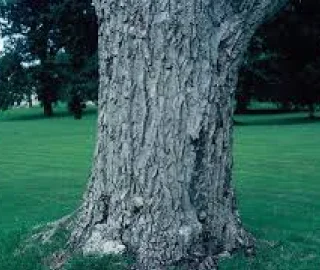


Common Walnut Tree: Unveiling Nature's Nutritional Powerhouse and Its Essential Benefits
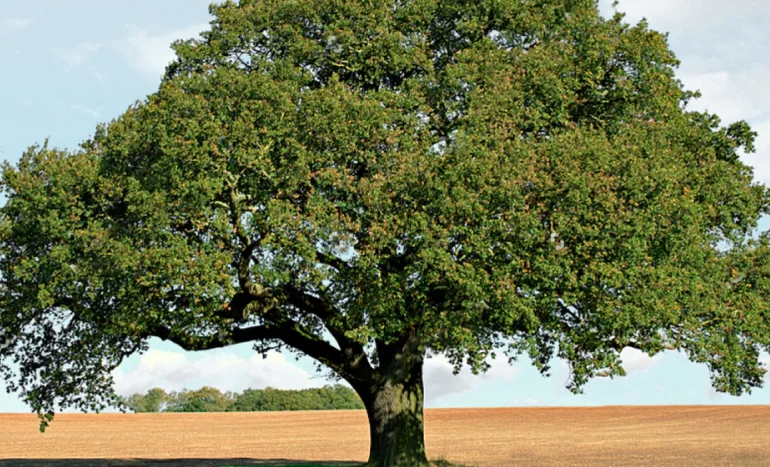
Common Walnut Tree - Nature's Nutritional Powerhouse

The Common Walnut Tree, or Juglans regia, is a majestic beauty that offers delicious nuts and a plethora of health benefits. This ancient tree, with roots tracing back to Central Asia, is a nutritional powerhouse and an eco-friendly superstar, making it a must-have for any garden enthusiast seeking both beauty and bounty.

Characteristics of the Common Walnut Tree

The Common Walnut Tree is a magnificent deciduous tree that can grow to impressive heights, with a broad, spreading canopy that provides excellent shade. Its distinctive compound leaves and valuable hardwood make it both ornamental and practical. The tree produces edible nuts encased in a green husk that matures to brown, revealing the familiar wrinkled walnut we know and love.

Scientific Data and Fun Facts

Here are some fascinating facts about this remarkable tree:

  • Taxonomy: The common walnut belongs to the Juglandaceae family and is scientifically known as Juglans regia, which means "royal nut of Jupiter."
  • Longevity: Walnut trees are known for their exceptional longevity, often living for over 100 years and sometimes reaching several centuries old.
  • Production Capacity: A mature walnut tree can produce up to 80 pounds of nuts annually, making it a generous provider of nutritious food.
  • Historical Significance: Walnuts have been cultivated for thousands of years, with evidence dating back to ancient Persia where they were considered food for royalty.

Historical Significance

The common walnut has a rich history that spans continents and civilizations. Originating in Central Asia, walnuts traveled along the Silk Road to Europe and eventually to the Americas. Ancient Romans considered walnuts the food of the gods, while in traditional medicine across various cultures, walnuts were used to treat numerous ailments. Today, they remain a cherished nut worldwide, valued for both their flavor and health benefits.

Ecological Impact

Walnut trees are eco-friendly champions that play a significant role in their ecosystems. They sequester carbon, support biodiversity by providing habitats for various wildlife, improve soil health through their root systems, and contribute to water conservation. Their extensive canopy helps moderate temperatures and provides shelter for birds and other creatures.

However, it's important to note that walnut trees produce juglone, a natural chemical that can inhibit the growth of certain nearby plants. This allelopathic property is the tree's way of reducing competition for resources, making careful garden planning essential when incorporating walnut trees into your landscape.

Health Benefits of Walnuts

Walnuts are like nature's multivitamin! Packed with nutritional benefits, they offer numerous advantages for overall health:

  • Heart Health: Rich in omega-3 fatty acids and antioxidants, walnuts help reduce inflammation and lower cholesterol levels, promoting cardiovascular health.
  • Brain Function: The high concentration of DHA, a type of Omega-3 fat, supports brain health and cognitive function.
  • Muscle Repair: With their high protein content, walnuts aid in muscle repair and maintenance.
  • Antioxidant Powerhouse: Walnuts contain higher antioxidant activity than any other common nut, helping combat oxidative stress in the body.

Benefits of Common Walnut in Your Garden

Here are the key benefits of incorporating common walnut into your garden:

  • Nutritional Harvest: Grow your own supply of nutritious walnuts right in your backyard, ensuring fresh, organic nuts for your family.
  • Shade Provider: The broad canopy of walnut trees creates excellent shade, making your outdoor space more comfortable during hot summer months.
  • Wildlife Habitat: Walnut trees attract various wildlife species, including squirrels and birds, enhancing biodiversity in your garden.
  • Aesthetic Appeal: With their majestic stature and beautiful foliage, walnut trees add visual interest and grandeur to any landscape.
  • Long-Term Investment: As a long-lived tree, a walnut tree becomes a lasting legacy that can provide benefits for generations.

How to Grow Common Walnut

Growing a Common Walnut Tree is a rewarding long-term investment. Here are the essential steps to successfully cultivate this magnificent tree:

Choose the Right Location

Select a sunny spot with plenty of space for the tree to spread its roots and canopy. Walnut trees need at least 6 to 8 hours of direct sunlight daily to grow strong and produce nuts.

Climate Considerations

Walnuts thrive in temperate climates and prefer USDA hardiness zones 5 to 9. They need a chilling winter period for proper dormancy and nut production.

Soil Preparation

Walnuts prefer well-draining soil with a pH of 6.0 to 7.5. Ensure the planting site has deep, fertile soil without waterlogged conditions, which can harm the tree's roots.

Planting

Dig a hole that is twice the width of the root ball and as deep as the root ball itself. Place the walnut tree in the hole, ensuring the top of the root ball is level with the soil surface. Backfill with soil and water thoroughly.

Watering and Care

Water regularly during the first growing season to establish strong roots. Once established, walnut trees are relatively drought-tolerant but benefit from occasional deep watering during dry spells.

Patience for Production

Remember that walnut trees typically take about 4 to 5 years before they begin producing nuts. With proper care, your patience will be rewarded with a bountiful harvest for decades to come.

Environmental Impact

Beyond their benefits for gardens, common walnut trees have a significant positive environmental impact. Their ability to sequester carbon makes them valuable in the fight against climate change. The trees also help prevent soil erosion with their extensive root systems and contribute to water conservation by moderating soil moisture levels. Additionally, walnut orchards can serve as important corridors for wildlife, supporting biodiversity in agricultural and suburban landscapes.

Grow Billion Trees Partners: A Commitment to Sustainability

Grow Billion Trees Partners is on a mission to make walnut cultivation and tree planting initiatives more eco-friendly and sustainable. This organization focuses on promoting sustainable agroforestry practices that benefit both people and the planet.

Their approach includes:

  • Community Engagement: Grow Billion Trees Partners actively involves local communities in their projects, educating them about the importance of trees and sustainable walnut cultivation practices.
  • Research and Innovation: The organization conducts scientific research to develop improved walnut varieties and sustainable growing techniques that maximize yield while minimizing environmental impact.
  • Education and Awareness: They promote awareness about the ecological and economic benefits of walnut trees, hosting workshops and educational programs to inspire community participation.
  • Sustainable Partnerships: Collaborating with farmers, environmental groups, and government agencies to create a cohesive approach to sustainable walnut cultivation and reforestation efforts.

Conclusion
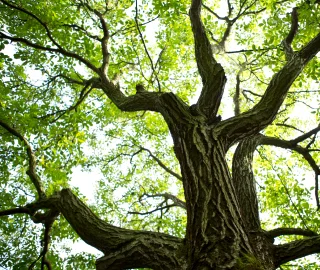
The Common Walnut Tree is more than just a source of delicious nuts; it is a valuable addition to any landscape that offers numerous health, environmental, and aesthetic benefits. Its nutritional value, combined with its ecological contributions, makes it a truly remarkable tree worthy of cultivation. As we face challenges related to climate change and food security, the importance of trees like the common walnut cannot be overstated.

By supporting sustainable initiatives like Grow Billion Trees Partners and incorporating walnut trees into our landscapes, we contribute to a greener, healthier planet while enjoying the many benefits these magnificent trees provide. Whether you're an experienced gardener or just beginning your gardening journey, consider adding a Common Walnut Tree to your outdoor space and become part of the solution for a more sustainable future.

Walnut Harvest
Walnut in Garden

Common Walnut Tree

The Common Walnut Tree, or Juglans regia, is like nature's multivitamin factory! With its majestic presence and delicious nuts, it's not just a pretty face; it's a nutritional powerhouse that can live for over a century. This ancient tree, tracing back to Central Asia, is the gift that keeps on giving—providing shade, beauty, and health benefits all in one magnificent package.

Nutritional Powerhouse

If you're looking for a health boost disguised as a tasty snack, walnuts are your answer! Packed with omega-3 fatty acids, antioxidants, and protein, these nuts are great for heart health, brain function, and muscle repair. They can reduce inflammation and lower cholesterol levels too. Munching on walnuts is like giving your body a health upgrade with every bite!

Long-Term Investment

Planting a walnut tree is like opening a savings account for future generations! With proper care and patience, your walnut tree can live for over 100 years, providing delicious nuts and beautiful shade for your children and grandchildren. It typically takes about 4 to 5 years before you get your first harvest, but the wait is worth it for a lifetime of nutty goodness!

Eco-Friendly Champion

Walnut trees are the environmental heroes of the plant world! They sequester carbon, support biodiversity by providing habitats, improve soil health, and help with water conservation. Plus, they're a beautiful addition to any landscape. By planting a walnut tree, you're not just enhancing your garden—you're making a positive impact on the planet!

Juglone Awareness

Did you know walnut trees have a natural way of saying "This is my space"? They produce juglone, a chemical that can inhibit the growth of nearby plants. Think of it as the tree's personal boundary system! When planning your garden, just be mindful of which plants you pair with your walnut tree to avoid any botanical drama. It's all about choosing the right neighbors for your leafy friend!

Climate Adaptability

Walnut trees are the Goldilocks of the tree world—they like things not too hot, not too cold! They thrive in temperate climates (USDA zones 5-9) where they can enjoy a proper winter chilling period. If you live in these zones, your walnut tree will be as happy as a squirrel in a nut factory, producing bountiful harvests year after year!

Sun Worshipper

Walnut trees are true sun worshippers! They need at least 6 to 8 hours of direct sunlight daily to grow strong and produce nuts. Find a sunny corner in your garden, and let your walnut tree soak up those rays like a beachgoer on a summer day. The more sun it gets, the happier and more productive it will be!

Soil Connoisseur

Walnut trees have refined tastes when it comes to soil! They prefer well-draining soil with a pH of 6.0 to 7.5—think of it as their version of a five-star hotel. No waterlogged conditions allowed! A simple soil test can help you create the perfect environment for your walnut tree to flourish and thrive in style.

Historical Significance

Walnut trees have been around since ancient times, with origins tracing back to Central Asia. The ancient Romans considered them food of the gods, and they've been treasured across civilizations for both their nutritional and medicinal properties. Today, they continue to be valued worldwide—a testament to their enduring appeal and usefulness throughout human history!

Bountiful Production

When it comes to nut production, walnut trees are incredibly generous! A mature tree can produce up to 80 pounds of nuts in a single year—that's enough to keep you and your local squirrel population very happy. Talk about a nutty bonanza! This abundant production makes walnut trees both practical and economical for home gardeners.

Sustainable Cultivation

Through initiatives like Grow Billion Trees Partners, walnut cultivation is becoming more sustainable and eco-friendly. These organizations engage communities, conduct research, and collaborate with partners to promote sustainable practices that combat climate change while creating green jobs. It's about making the world a better place, one walnut tree at a time!

Garden Centerpiece

With its majestic stature and beautiful spreading canopy, the walnut tree makes a spectacular centerpiece for any garden. It provides excellent shade, aesthetic appeal, and practical benefits all in one package. Whether you have a large estate or a modest backyard, a walnut tree can become the crowning glory of your outdoor space for generations to come!

FAQ

What is the Common Walnut Tree?

The Common Walnut Tree (Juglans regia) is a magnificent tree known for its nutritious nuts and elegant form. Originating from Central Asia, this ancient tree symbolizes health, longevity, and abundance — a true treasure for any eco-conscious gardener.

01

What are the health benefits of walnuts?

Walnuts are nature’s multivitamins! Rich in omega-3 fatty acids, antioxidants, and proteins, they promote heart and brain health, lower cholesterol, and fight inflammation. Each handful supports both wellness and vitality — deliciously and naturally!

02

How do I grow a Common Walnut Tree?

To grow a Common Walnut Tree, choose a sunny spot with well-drained soil and ample space for roots to expand. With consistent watering during early growth and a little patience, your walnut tree can live for over a century and yield generations of nuts!

03

What climate is best for walnuts?

Walnut trees thrive in temperate climates with cool winters and warm summers — typically USDA zones 5 to 9. They need a bit of winter chill to trigger nut production, so they’re happiest where the weather is “just right.”

04

How much sunlight do walnut trees need?

Walnut trees love the sun! They need at least 6–8 hours of direct sunlight daily to grow strong and healthy. A sunny location ensures better nut production and lush foliage throughout the seasons.

05

What type of soil is ideal for walnuts?

Walnut trees thrive in deep, well-drained loamy soil with a pH between 6.0 and 7.5. Avoid waterlogged areas, as roots need room to breathe. A soil test before planting ensures the perfect growing conditions for your tree to flourish.

06

How long does it take for a walnut tree to produce nuts?

Patience pays off! Walnut trees usually start producing nuts after 4–5 years of growth. Once mature, they can yield abundant harvests for over 100 years — a legacy of nutty goodness for future generations.

07

What is the environmental impact of walnut trees?

Walnut trees are eco-heroes! They sequester carbon, enhance soil fertility, and provide habitat for birds and insects. Their expansive canopies cool the environment, while their roots help prevent soil erosion and promote groundwater recharge.

08

What is juglone, and why should I care?

Juglone is a natural compound released by walnut trees that can inhibit the growth of nearby plants. It’s the tree’s way of protecting its territory. When designing your garden, choose juglone-tolerant plants to maintain harmony around your walnut tree.

09

How does Grow Billion Trees Partners promote sustainability?

Grow Billion Trees Partners champions sustainable walnut cultivation! Through community engagement, research, and eco-friendly methods, they ensure that reforestation not only restores green cover but also generates livelihoods and combats climate change.

10

What fun facts should I know about walnuts?

Did you know? Walnuts are one of the oldest tree foods known to humans, dating back 7,000 years! A mature tree can yield up to 80 pounds of nuts per year — a delicious gift that keeps on giving.

11
logo
back top